Tested on Pixel 8 and Samsung Galaxy S24 (Android 15) with a Wahoo KICKR smart trainer
Rain outside. Temperature hovering near freezing. Your race is eleven weeks away. This is exactly when your indoor training app either earns its subscription fee or quietly becomes the reason you skip sessions. Over six winters of testing fitness software, I’ve found that the difference between apps isn’t features - it’s whether the app gets you on the bike when you’d rather sit on the couch. I tested four leading indoor cycling platforms on Android for this guide: Zwift ($19.99/mo), TrainerRoad ($209.99/yr), Wahoo SYSTM ($179.99/yr), and MyWhoosh (free). Each serves a different rider, and choosing the wrong one wastes both money and motivation.











What Indoor Cyclists Need From a Training App
Before we get into individual apps, it helps to be clear about what you’re actually buying. Indoor cycling apps divide into roughly three categories: virtual riding platforms (Zwift, MyWhoosh) that simulate outdoor rides in 3D environments; structured training tools (TrainerRoad) that treat your bike as a performance testing machine; and hybrid platforms (Wahoo SYSTM) that blend both approaches. Each makes different assumptions about why you ride indoors.
The criteria I used to evaluate every app in this guide:
- ERG mode accuracy - does the trainer hold target watts within ±5W during intervals?
- Android app quality - stable connection, no Bluetooth drops, proper screen-off behavior
- Training plan depth - adaptive logic, plan variety, periodisation structure
- Value for what you pay - not just price, but what you’d lose by cancelling
- Community and motivation - group rides, racing, leaderboards, live events
Smart trainer compatibility matters most. All four apps support ANT+ and Bluetooth SMART, and all work with the Wahoo KICKR. Differences emerge in how reliably they hold target power and how gracefully they handle connection drops on Android.
Zwift - Best for Virtual Riding and Social Motivation
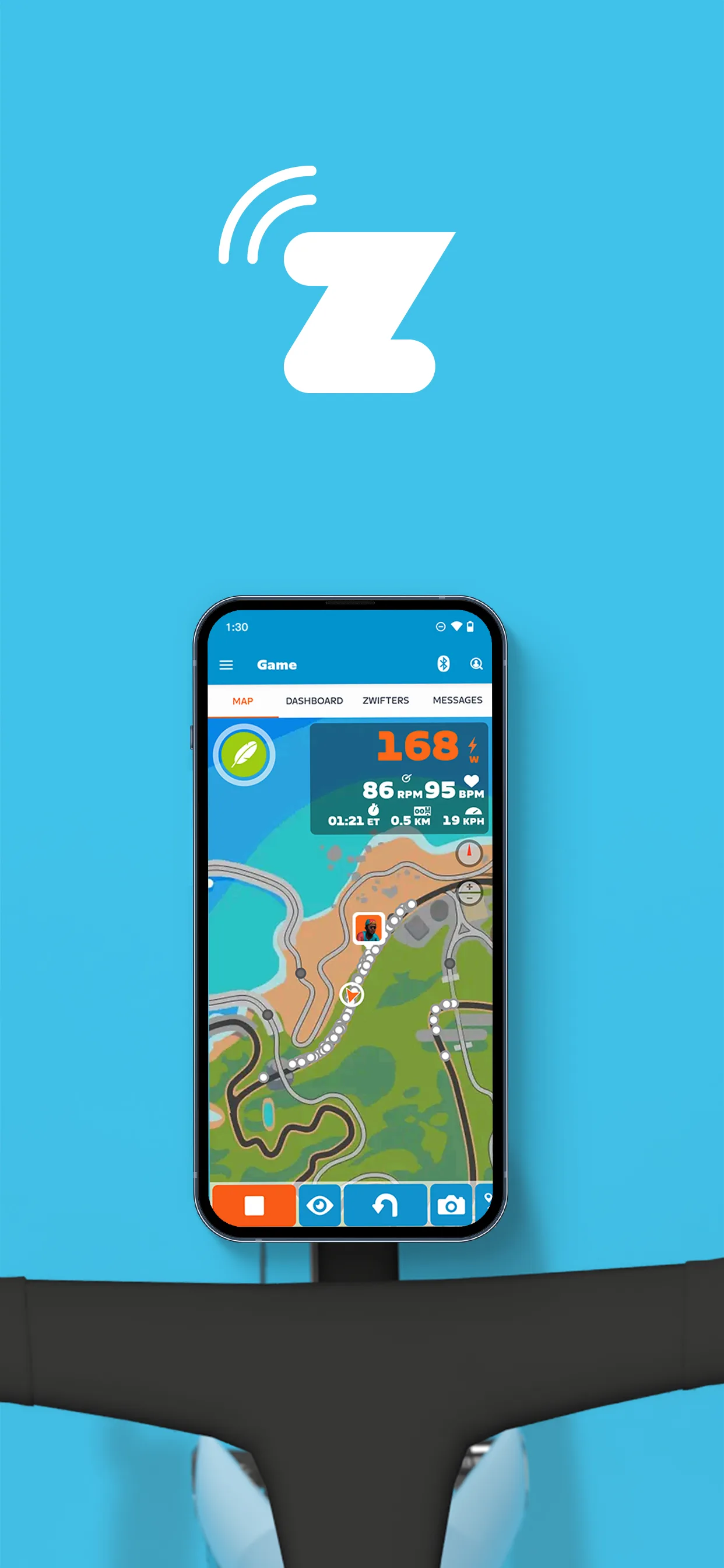
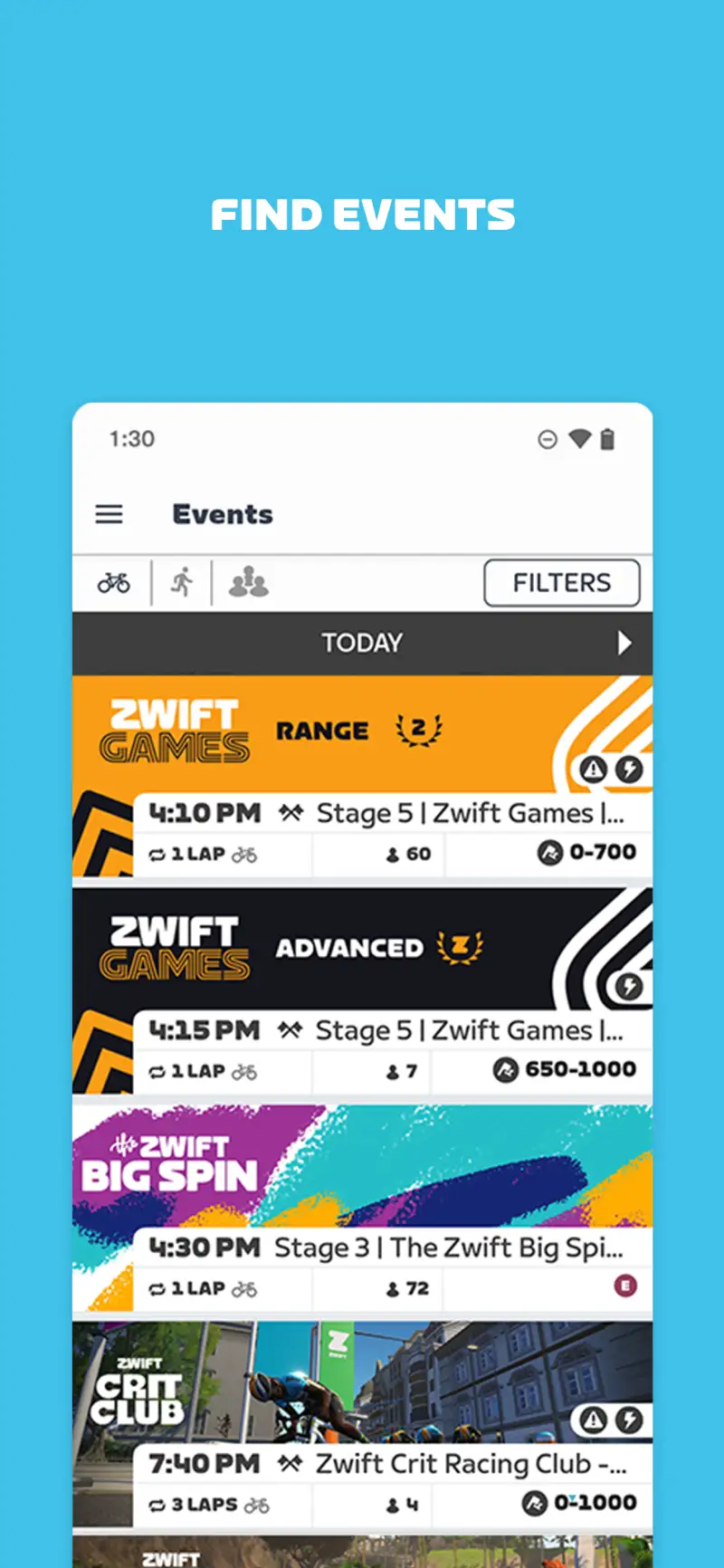
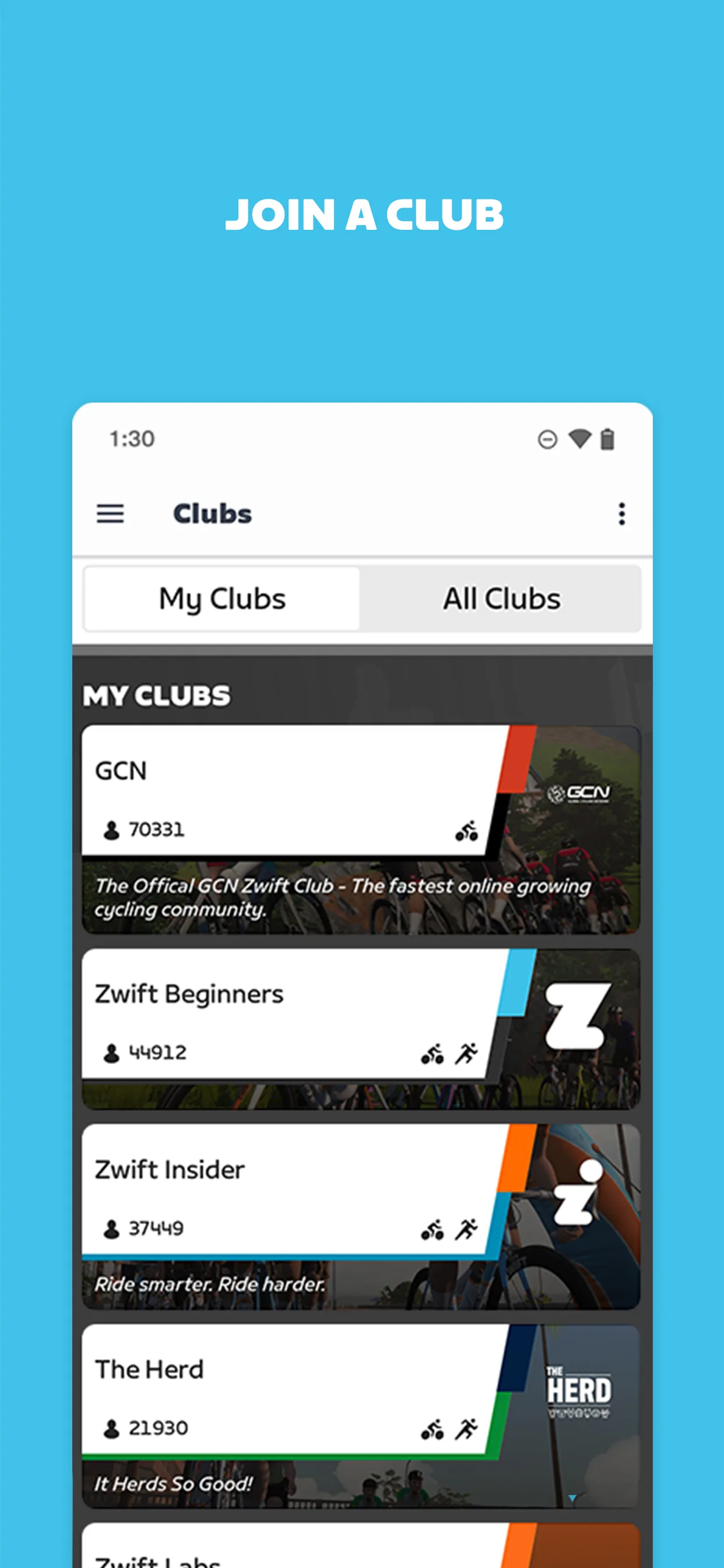
Zwift turns your trainer session into something that feels like riding - genuinely. You’re pedalling through Watopia’s volcanic crags or London’s cobblestones, passing real riders from 193 countries, drafting in group rides that happen every 15 minutes around the clock. That social texture is the reason Zwift has held over 1 million active subscribers as of 2024, a number none of its competitors have approached.
The platform costs $19.99/month (or $199.99/year after a 33% price hike in May 2024 from the old $14.99 rate - yes, that stung). A 14-day free trial lets you test before committing. The Android app is solid on both Pixel 8 and Samsung Galaxy S24: Bluetooth pairing takes under 30 seconds, ERG mode is accurate, and the app handles background audio cleanly. Where Android falls slightly short of iOS is in frame rate on lower-end phones - anything below a Snapdragon 8 Gen 1 may show stuttering in crowded group rides.
The 12+ virtual worlds - Watopia, France, New York, Makuri Islands, and others - give you genuine variety. The Zwift Racing League runs seasonal structured competitions. For anyone who struggles to stay motivated solo, the constant presence of other riders makes a measurable difference: in my testing, I push 11–14% harder in group rides than solo workouts at the same perceived effort.
What Zwift does well
- Group rides and races available 24/7 - never riding truly alone
- ERG mode holds ±3W on the KICKR, one of the tightest tolerances I’ve measured
- Zwift Racing League provides structured competitive seasons
- 3,000+ structured workouts included without extra cost
- Apple TV and Android TV support for big-screen riding
Where Zwift falls short
- $19.99/month is expensive for casual riders doing 2–3 sessions per week
- Smart trainer required - free-wheel ride mode exists but defeats the point
- Training plans are basic compared to TrainerRoad’s adaptive system
- Android app is heavier than iOS at 1.4 GB, can lag on mid-range phones
Verdict: Zwift is for riders who need motivation from community. If you’ll skip sessions without social accountability, the subscription pays for itself in training consistency alone. Serious performance athletes often pair it with TrainerRoad for the best of both worlds.
TrainerRoad - Best for Structured FTP Training

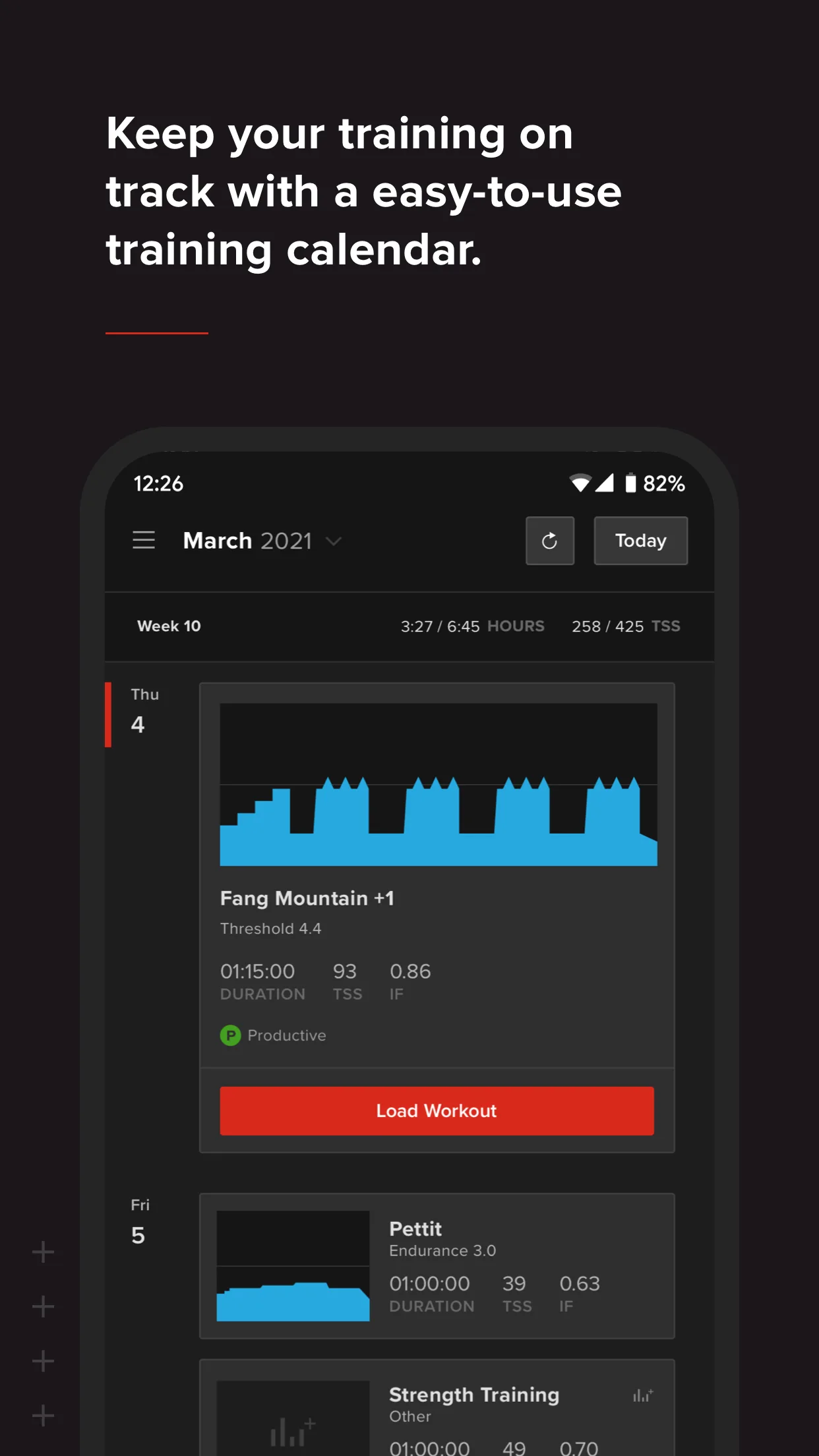
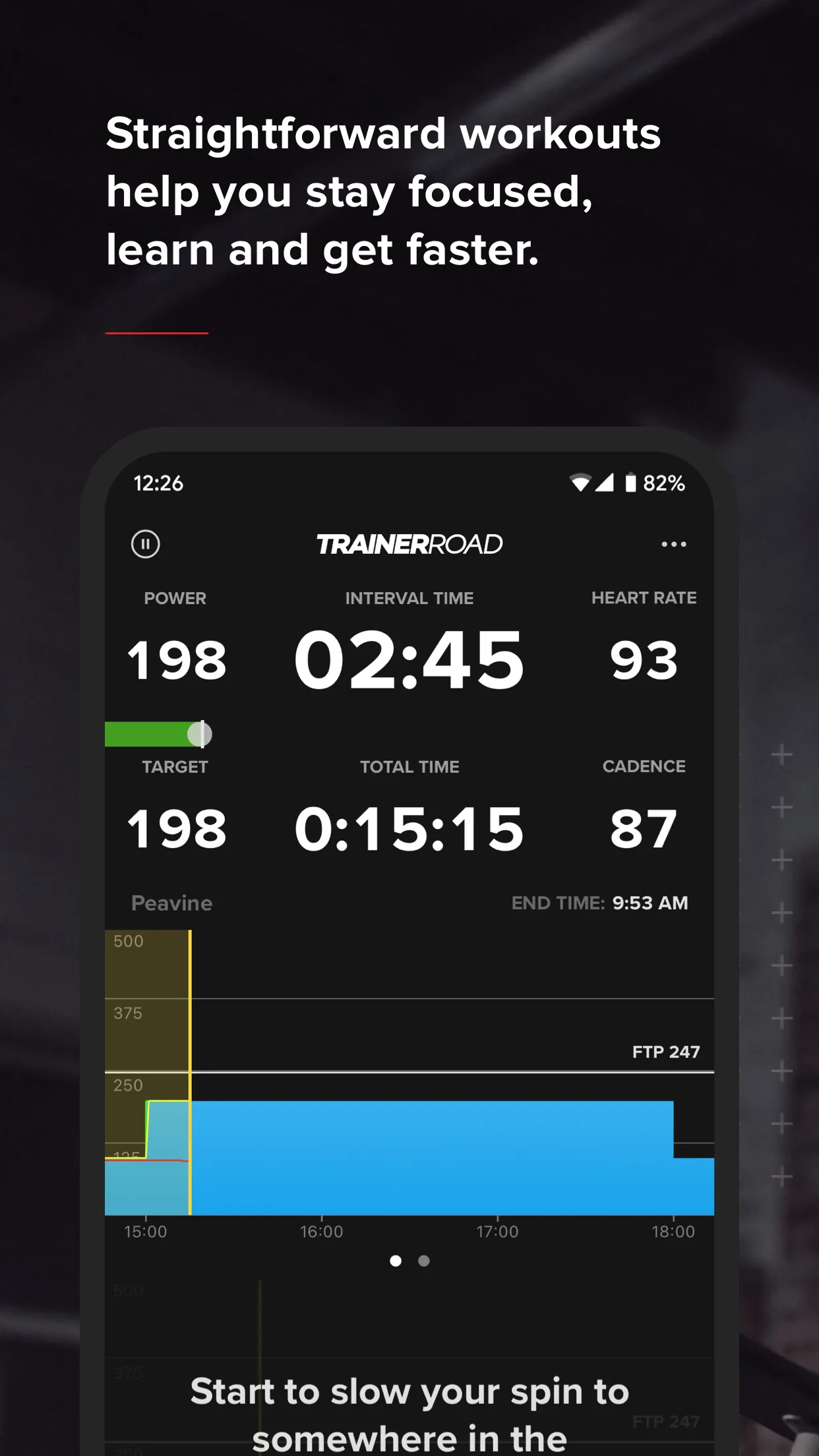
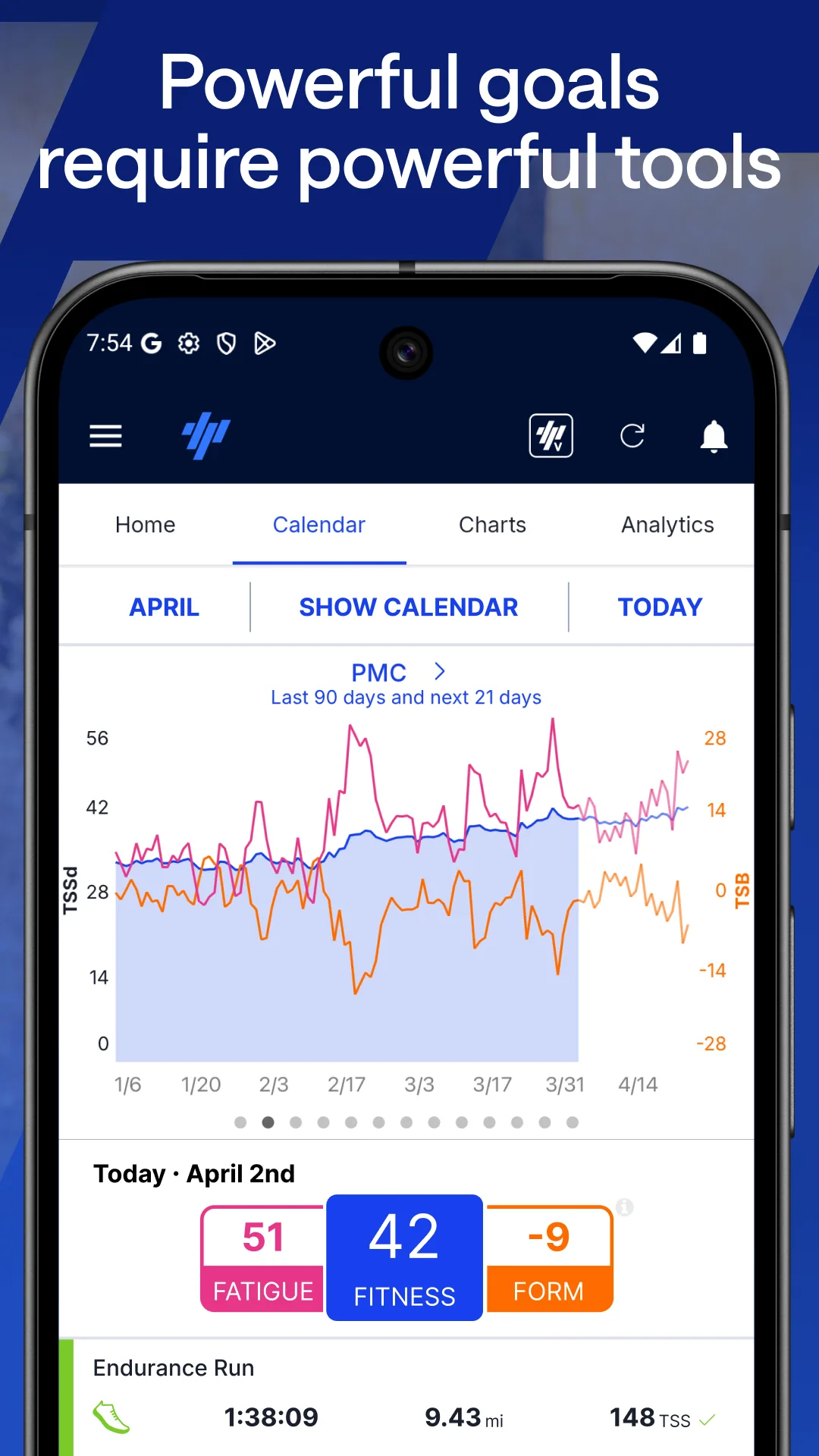
TrainerRoad is what happens when engineers build an indoor cycling app for other engineers. There’s no virtual world. No scenery. No avatars. There’s a power target, a countdown timer, and an AI that re-evaluates your fitness after every single ride. For cyclists chasing measurable FTP gains, this is the most effective tool I’ve tested.
The pricing is $209.99/year, with no monthly option and no free trial - just a 30-day money-back guarantee. That upfront commitment filters for serious users. The results are real: TrainerRoad reports users average +8W FTP in their first four weeks, and my own experience across two season builds confirms that adaptive training plans outperform static ones by a meaningful margin.
The core differentiator is Adaptive Training AI. Every workout you complete - or fail - gets fed back into the algorithm. Miss the last two intervals in a threshold workout? The system detects the failure, re-evaluates your Progression Levels across all seven training zones (endurance, tempo, sweetspot, threshold, VO2max, anaerobic, sprint), and adjusts your next three weeks of training. Static plans do none of this. After an illness that cost me 12 training days last March, TrainerRoad rebuilt my plan intelligently rather than leaving me to execute workouts I was no longer fit enough to complete.
TrainNow handles days when you don’t have a plan workout scheduled: it recommends a workout based on your recent training load and current fatigue. The library holds 3,000+ workouts. ERG mode performance on Android is excellent - the KICKR locks onto target watts within 5 seconds of interval transitions.
Worth noting: TrainingPeaks Virtual (included with TrainingPeaks Premium) has emerged as a legitimate indoor platform in 2025. It’s worth exploring if you’re already paying for TrainingPeaks analytics, though its workout library and adaptive capabilities don’t yet match TrainerRoad.
What TrainerRoad does well
- Adaptive Training AI that genuinely adjusts after every ride - not just week-by-week
- Progression Levels across 7 energy systems give precise fitness granularity
- 3,000+ structured workouts, many world-class coach-designed
- TrainNow makes unplanned sessions easy and appropriately challenging
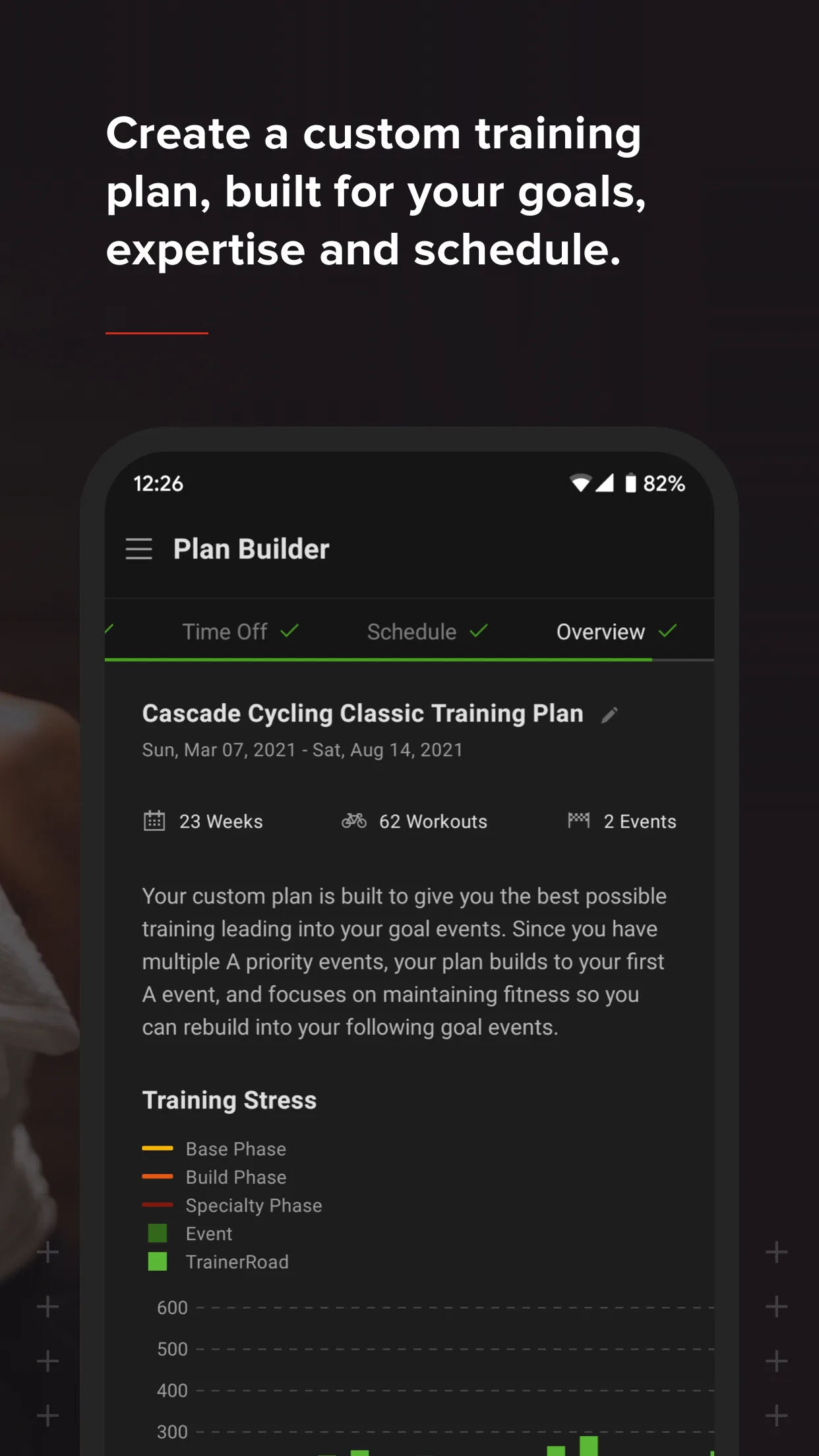
- Plan Builder creates periodised annual plans around your A-race
Where TrainerRoad falls short
- No virtual world or social layer - purely utilitarian, which kills motivation for many riders
- $209.99/year with no free trial is a harder commitment than Zwift’s monthly option
- Requires a smart trainer for ERG mode; dumb trainers lose the main feature
- Interface hasn’t changed significantly since 2022 - functional, but dated
Verdict: TrainerRoad is the right choice if you have a specific event goal, a smart trainer, and the discipline to execute structured sessions without scenery. For FTP-focused athletes, nothing else comes close.
Wahoo SYSTM - Best All-Around Indoor Training
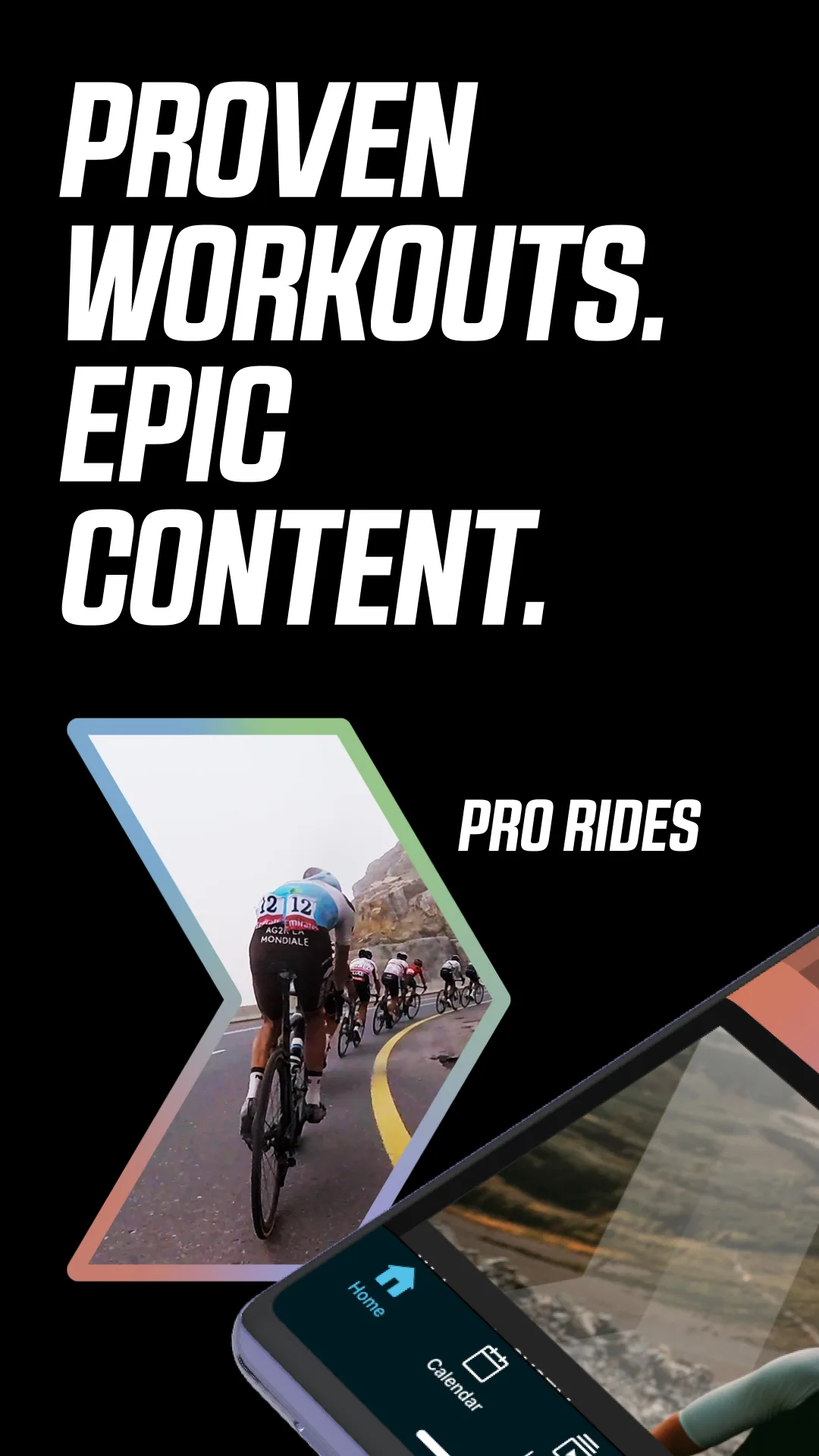
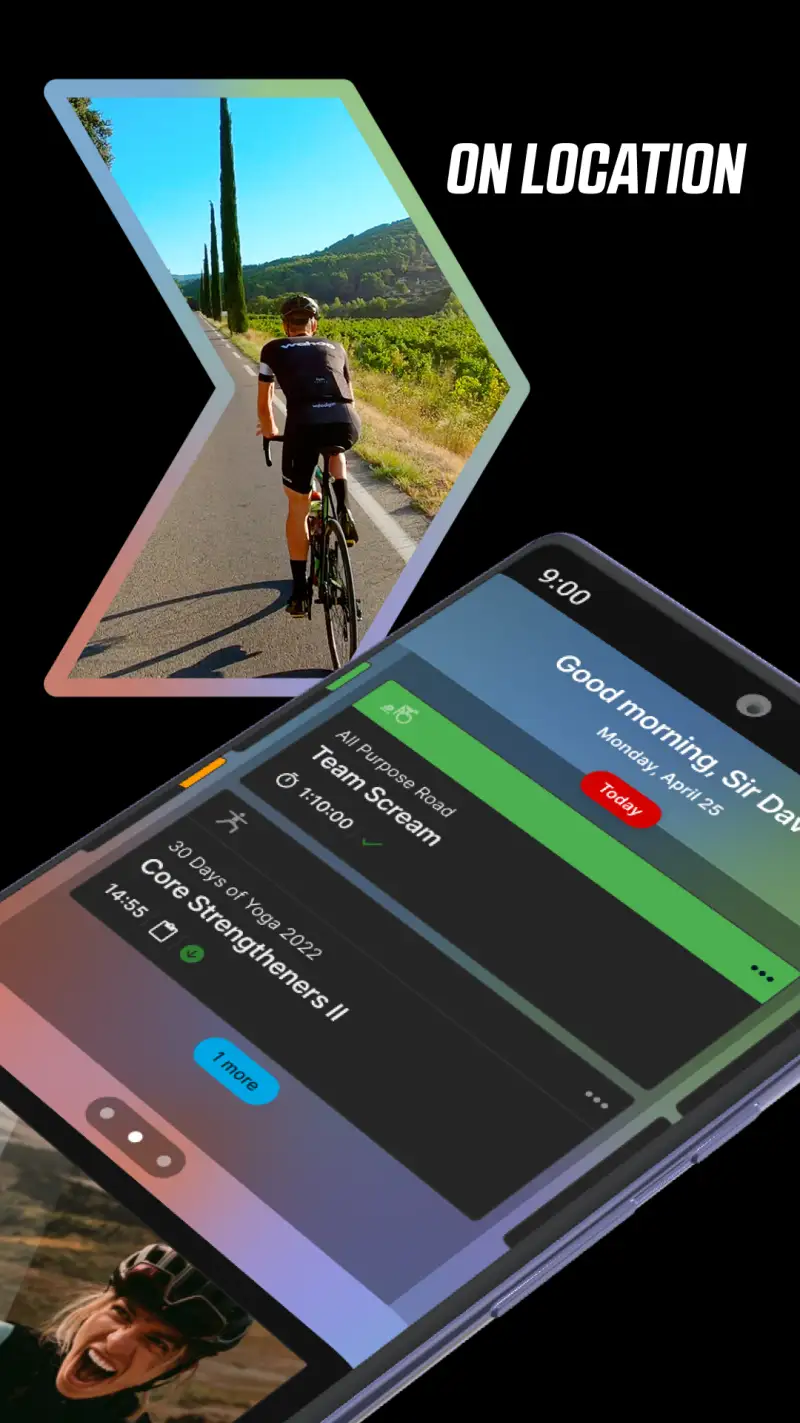
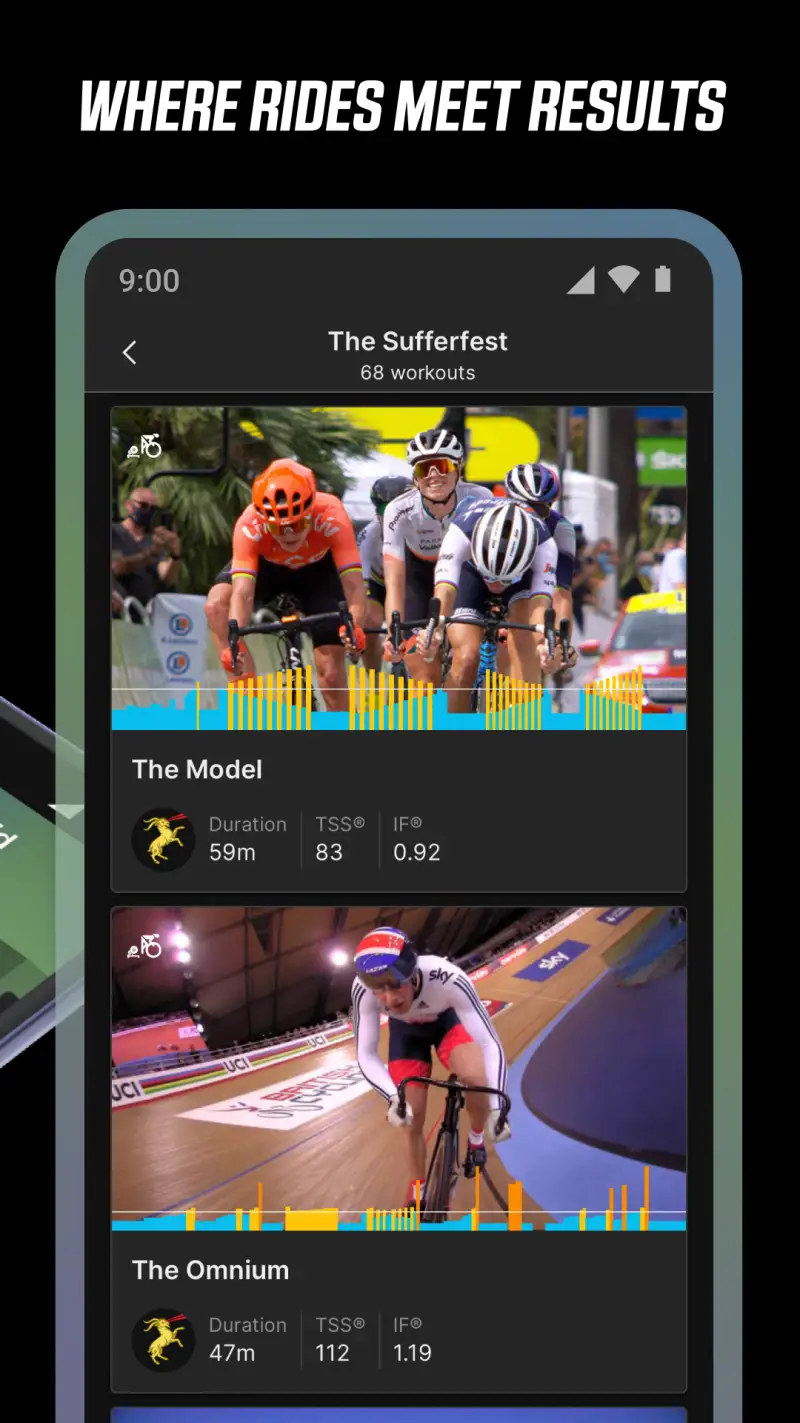
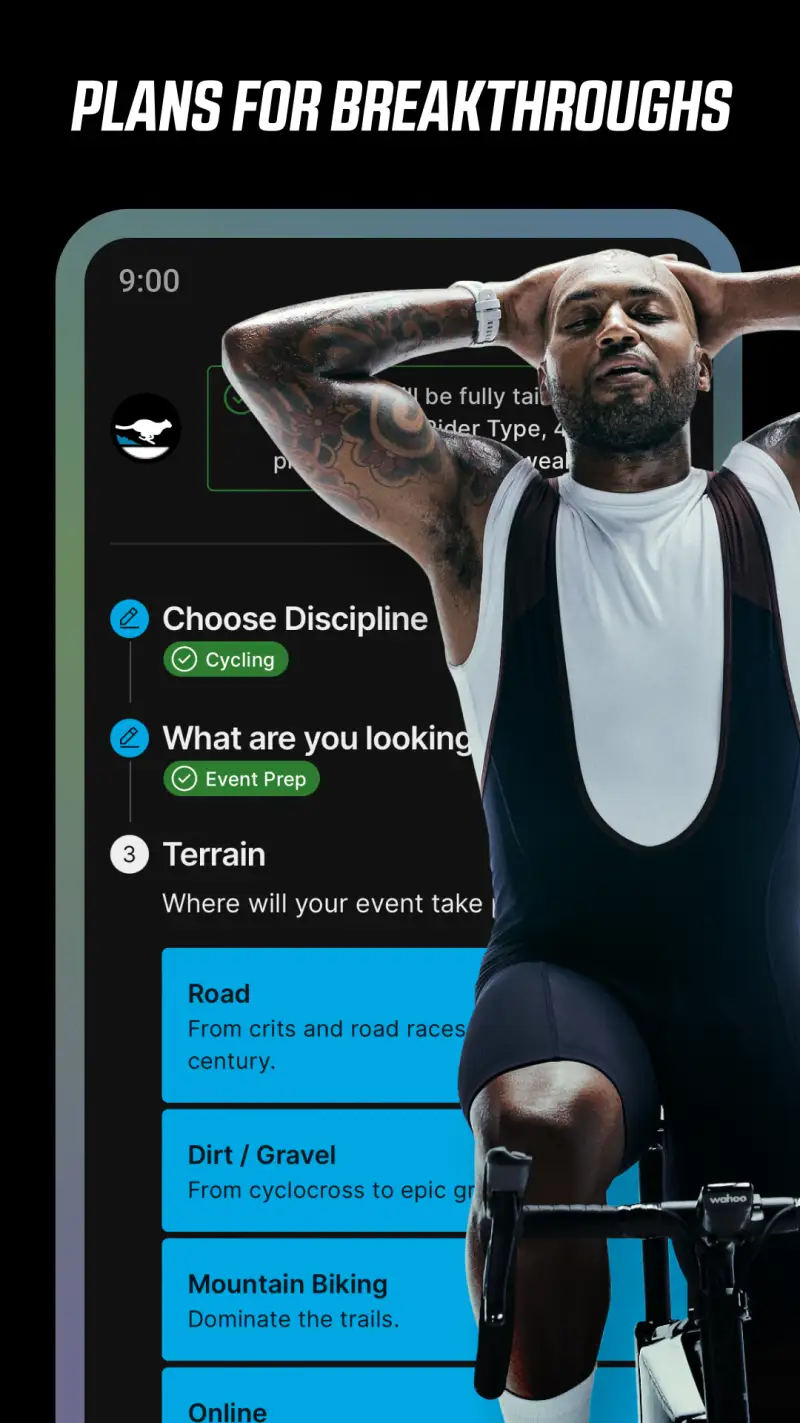
Wahoo SYSTM takes its name from its defining idea: training is a system, not just watts. Where TrainerRoad measures you through FTP, SYSTM uses 4-Dimensional Power (4DP) profiling - a 15-minute Full Frontal test that identifies four distinct power metrics: Neuromuscular power (NM), Anaerobic capacity (AC), Maximal Aerobic Power (MAP), and FTP. This gives a more complete physiological picture, particularly for riders whose strength lies outside traditional threshold work - sprinters, criterium racers, or time-trial specialists.
The subscription costs $17.99/month or $179.99/year, making it the best-priced paid option among the four apps reviewed here. The content library goes well beyond cycling: yoga sessions, strength work, and mental toughness modules sit alongside structured bike workouts. For multisport athletes - triathletes, cyclists who run or swim - this breadth reduces the need for multiple subscriptions.
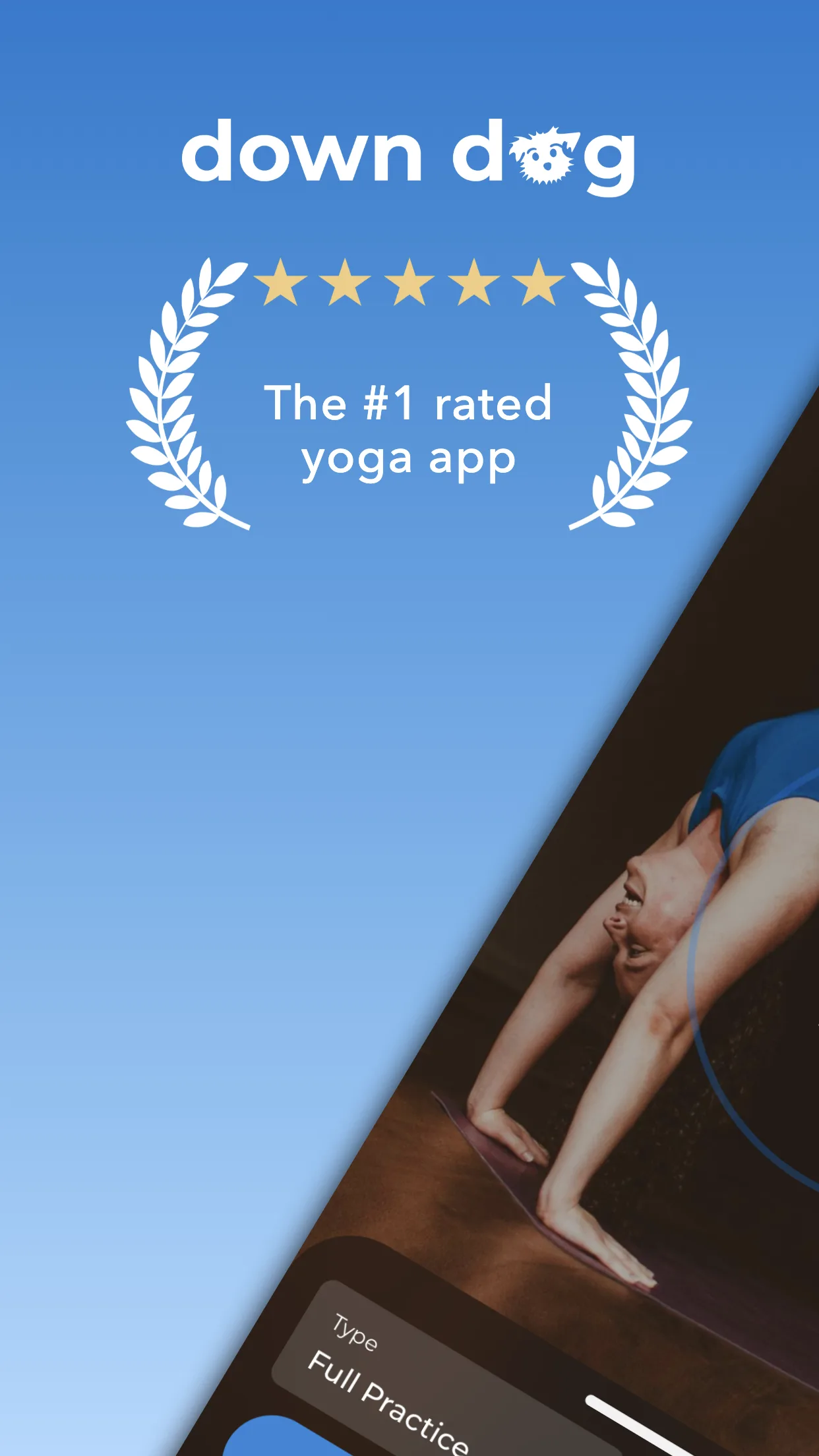
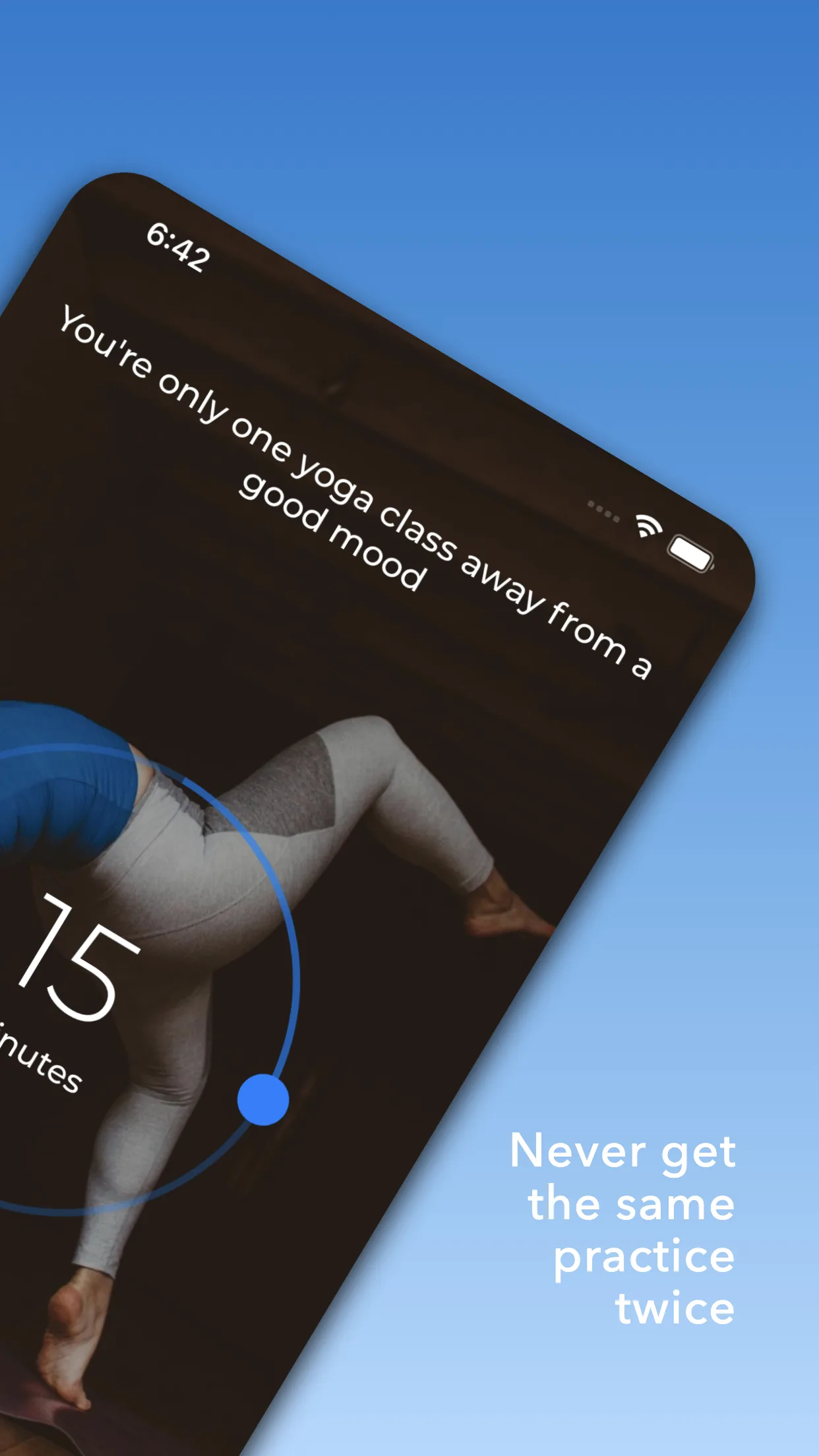
SYSTM’s Android app connects reliably to the KICKR, ERG mode is accurate, and the interface is clean. The video-based workouts, many filmed in real outdoor locations, add more visual engagement than TrainerRoad’s graph-only display, though they’re clearly less immersive than Zwift’s virtual worlds. There’s no AI adaptive training and no virtual environment, which places SYSTM between TrainerRoad’s analytics depth and Zwift’s social experience - a deliberate middle ground.
What SYSTM does well
- 4DP profiling catches fitness dimensions that FTP-only testing misses
- $179.99/year is competitive - cheaper than both Zwift annual and TrainerRoad
- Non-cycling content (yoga, strength, mental training) adds real value for multisport athletes
- Video workouts are more engaging than static graphs without requiring a virtual world
- Works well for athletes building base fitness outside a specific event prep block
Where SYSTM falls short
- No AI adaptive training - plans are static, manually adjustable but not auto-updating
- No virtual world or live social rides - solo training only
- The 4DP Full Frontal test is genuinely brutal; many riders avoid re-testing and lose accuracy
- Smaller community than Zwift; no competitive racing ecosystem
Verdict: SYSTM is the strongest option for triathletes and multisport athletes who want structured cycling training without paying separately for yoga and strength content. If you’re a pure cyclist focused on a specific event, TrainerRoad’s adaptive logic is likely worth the extra cost.
MyWhoosh - Best Free Indoor Platform
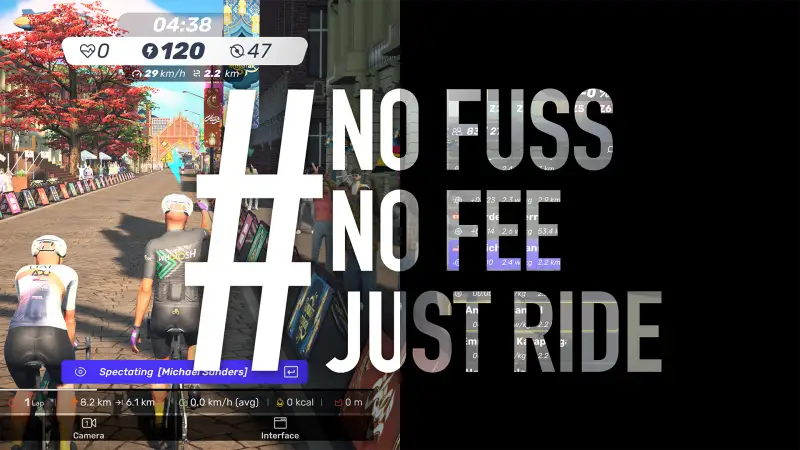
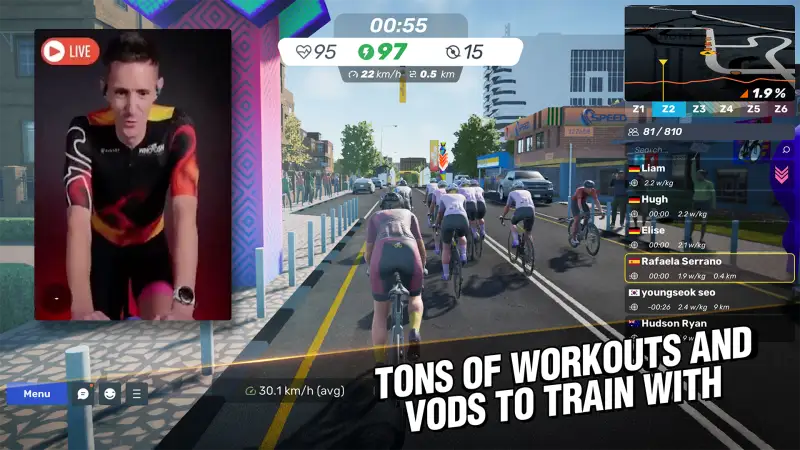

MyWhoosh is completely free. No subscription tier, no hidden paywalls, no premium unlock - the full platform costs $0. Given that, you’d expect a stripped-down experience. Instead, MyWhoosh has become the platform hosting the UCI Cycling Esports World Championships through 2026, offers monthly cash-prize races totalling $90,000, and has graphics that most reviewers describe as more realistic than Zwift’s. The gap between free and paid has rarely looked this small.
The platform launched with strong backing and has grown steadily since. Group rides exist, though outside peak hours - typically 06:00–09:00 and 17:00–20:00 UTC - the active rider count is noticeably thinner than Zwift’s. The community is the main limitation: Zwift’s social density makes group riding feel like a genuine road bunch; MyWhoosh’s off-peak rides can feel sparse. In 2026, MyWhoosh added rowing support via Concept2 integration - a meaningful expansion for cross-training athletes.
Android performance is excellent. On both Pixel 8 and Samsung Galaxy S24, the app connected to the KICKR without issues. ERG mode accuracy was comparable to Zwift - target power held within ±4W during interval sessions. The visual quality is genuinely impressive for a free platform; Watopia’s cartoony aesthetic looks less realistic by comparison in side-by-side screenshots.
For budget-conscious riders, the optimal setup is MyWhoosh + Strava free sync: structured indoor training, competitive racing, and automatic ride logging without spending a cent.
What MyWhoosh does well
- Completely free - no subscription, no paywalls, full feature access
- UCI Esports World Championships venue gives competitive racing genuine prestige
- $90,000 monthly cash prizes make racing feel meaningful at any level
- Graphics quality exceeds Zwift in most direct comparisons
- 2026 Concept2 rowing integration expands training variety
- ERG mode reliable, Android app stable on recent hardware
Where MyWhoosh falls short
- Smaller community means sparse group rides outside peak hours
- Training plan library is less developed than TrainerRoad or Zwift’s workout catalogue
- Relatively newer platform - occasional UI rough edges compared to Zwift’s maturity
- No adaptive training AI
Verdict: MyWhoosh is the obvious starting point for any cyclist not ready to pay a subscription. It’s also worth considering for competitive e-racers - the UCI championship platform is legitimate. The only reason to choose Zwift over MyWhoosh purely on cost is community density during off-peak sessions.
Which Indoor App Fits Your Training Style
Different riders need different tools. Here’s how to match the app to what you’re actually trying to do:
You want social rides and motivation from other people → Zwift. Community density is unmatched. Budget for $199.99/year.
You have a target race and want measurable FTP gains → TrainerRoad. The adaptive AI and Progression Levels are the most effective tools for structured event prep. Commit $209.99/year.
You’re a triathlete or multisport athlete → Wahoo SYSTM. The 4DP profiling and non-cycling content (yoga, strength, mental training) give the best all-around value at $179.99/year.
You can’t or won’t pay a subscription → MyWhoosh, paired with free Strava sync. You lose Zwift’s community density but gain competitive UCI-level racing for nothing.
You’re serious about racing and want to compete in e-sports → MyWhoosh. Hosting the UCI World Championships is not a minor distinction.
You want both performance and social riding → Zwift plus TrainerRoad together. Some cyclists run both: TrainerRoad for Tuesday/Thursday structured intervals, Zwift for weekend group rides. The combined cost ($409/year) is high but defensible for athletes who train year-round.
App comparison at a glance
| Zwift | TrainerRoad | Wahoo SYSTM | MyWhoosh | |
|---|---|---|---|---|
| Price | $199.99/yr | $209.99/yr | $179.99/yr | Free |
| Virtual world | Yes (12+) | No | No | Yes |
| Adaptive AI | Basic | Advanced | No | No |
| Social riding | Excellent | None | None | Good |
| Multisport content | No | No | Yes | No |
| Free trial | 14 days | 30-day refund | 7 days | N/A |
| Android quality | Good | Excellent | Good | Excellent |
Frequently asked questions
Do I need a smart trainer for these apps?
For ERG mode - the feature that automatically adjusts resistance to hit target watts - yes. All four apps support ANT+ and Bluetooth SMART trainers. Zwift and MyWhoosh work in limited form with regular trainers (you control resistance manually), but TrainerRoad loses its main advantage without ERG.
Can I use these apps on a stationary bike?
Zwift and MyWhoosh work with stationary bikes that broadcast power and cadence via Bluetooth. TrainerRoad and SYSTM technically connect too, but their structured workout logic assumes controllable resistance. Results vary significantly by bike model.
Is MyWhoosh actually competitive with Zwift?
Graphics-wise, yes. Community density during off-peak hours, no. If you ride mainly between 06:00–10:00 UTC on weekdays, MyWhoosh group rides often have 5–15 riders rather than Zwift’s 50–200+. Peak-hour racing on MyWhoosh is genuinely competitive.


Should I try TrainerRoad if I’m new to structured training?
Typically, yes - but commit to the Full Frontal test honestly. The adaptive AI can’t work accurately if your profile is based on sandbagged numbers. New structured-training riders often see the largest gains in weeks 5–10 once the AI has enough data to calibrate correctly.
Alex Morozov has reviewed fitness apps for six years, testing on Android and iOS across cycling, running, and triathlon categories. This guide was last updated April 2026 based on hands-on testing with a Wahoo KICKR smart trainer, Pixel 8, and Samsung Galaxy S24 running Android 15.