Ultramarathon training cycles run 20-32 weeks, race days stretch 10-36 hours, and the gap between finishing and not finishing a 100-mile event often comes down to decisions made in training months earlier. TrainingPeaks charges $19.99 per month to visualize those decisions as a PMC curve. Garmin Connect delivers Body Battery and HRV Status free with compatible hardware. Gaia GPS provides topographic offline navigation for backcountry race courses at $39.99 per year. Getting the right combination of these tools in place before your next training block begins is the kind of marginal decision that compounds into meaningful race day outcomes.
After testing apps across 6 months of structured ultra-specific training blocks on Pixel 8 and Samsung Galaxy S24 running Android 15, I found six platforms that serve ultramarathoners in ways that standard road running apps do not. Each covers a distinct function: periodization, recovery monitoring, navigation, vertical training, route planning, and community. This guide covers what each tool does well, where it falls short, and which combinations fit different ultra training setups.

Who this is for: Runners preparing for races from 50K through 100 miles and beyond, who already understand periodization basics and want tools that match the multi-month planning horizon that ultra distances require. If you are preparing for your first trail race at shorter distances, the trail runners guide covers your current stage more accurately.




What Ultramarathoners Need Beyond Standard Running Apps
Standard running apps measure pace, distance, and basic heart rate data. Ultramarathon training requires a different set of tools because the demands - training cycles measured in months, races measured in hours of vertical terrain - exceed what consumer fitness apps were designed to address.
Multi-Month Training Load Management
A 20-week ultra training block accumulates stress differently than a 16-week marathon plan. Chronic Training Load needs to build steadily across multiple months, with deliberate recovery weeks scheduled to prevent accumulated fatigue from suppressing immune function in the final 6 weeks before race day. Without a PMC curve visualizing CTL, ATL, and TSB simultaneously, managing load decisions across a 24-week block relies on subjective feel, which typically leads to arriving at the start line either undertrained or carrying latent fatigue. TrainingPeaks and Intervals.icu both provide the PMC; deciding which fits your budget is the first planning decision.
Recovery as a Primary Training Variable
At ultra distances, recovery management is as important as the training itself. HRV-based daily readiness, sleep quality tracking, and acute-to-chronic load ratios determine whether a planned long run produces adaptation or breaks the athlete. Garmin Connect’s Body Battery combines HRV, stress, and sleep into a single daily readiness score that, when used consistently over 4+ weeks, provides objective data for modifying session intensity before subjective fatigue appears. Skipping a long run when Body Battery is below 40 is a training decision; skipping it when Body Battery is 72 but legs feel tired is a different decision. That distinction requires data.
Backcountry Navigation for Race Terrain
Many ultra races cross terrain without cellular coverage: mountain ridges, wilderness areas, and remote valley systems where streaming map data stops working exactly when you need it most. A navigation app that requires signal is a liability on a 100-mile course through the Sierra Nevada or the Alps. Gaia GPS downloads full-resolution topographic maps before you leave coverage, continues navigation offline, and layers satellite imagery with real-time slope analysis. For runners who race on technical mountain courses, this is not optional.
Vertical Kilometer Tracking
Time on feet and vertical gain, not pace, define ultra training load. A 6-hour day with 2,400 meters of vertical climbing on technical singletrack produces a fundamentally different training stimulus than a 6-hour road run, even at similar heart rate. Vert.run tracks vertical kilometers as the primary training metric and builds race plans around elevation, not flat-equivalent distance. Standard running apps that display vertical gain as a secondary statistic underweight the most significant variable in ultra training.
TrainingPeaks - Best for Multi-Month Periodization
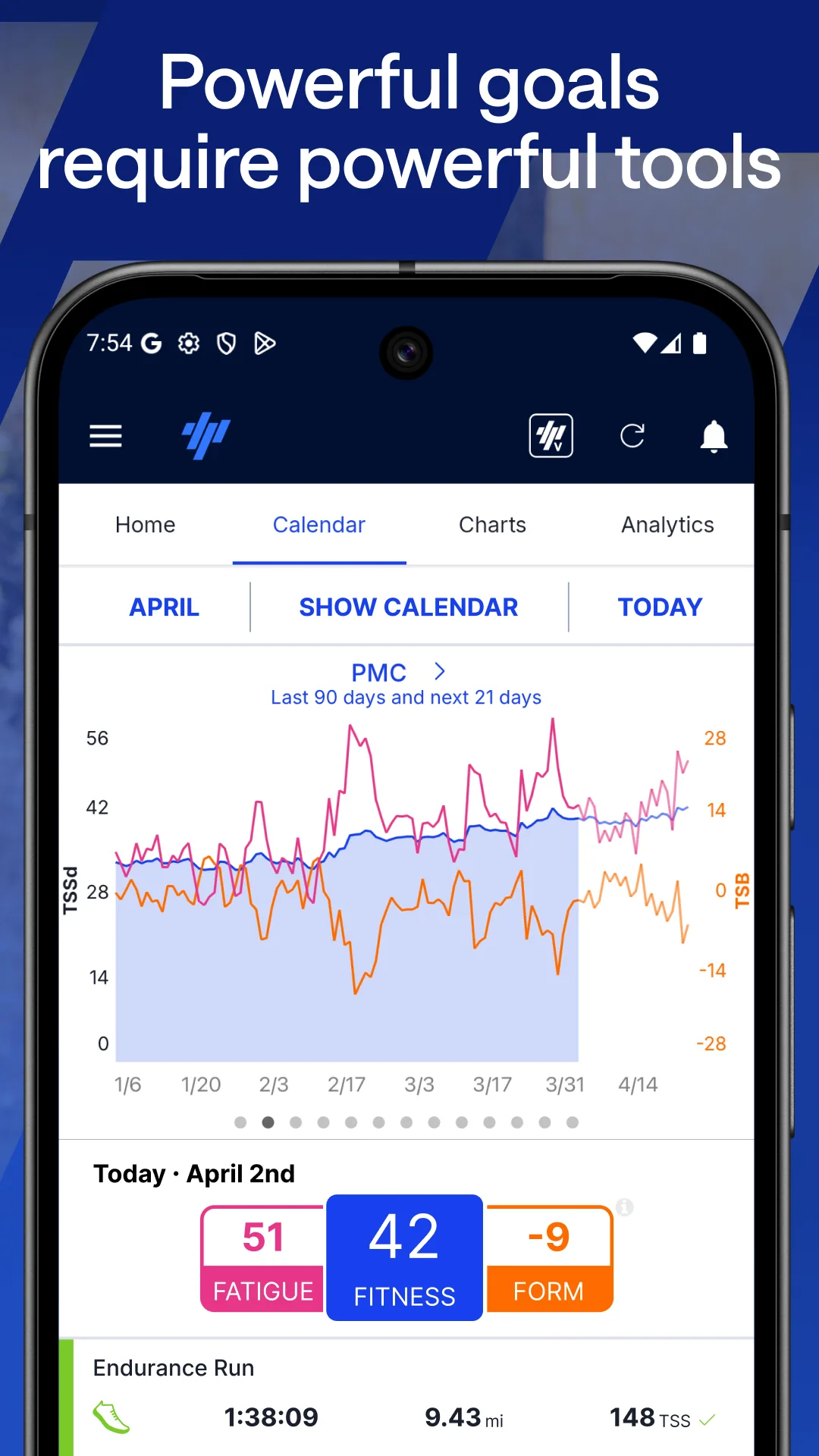
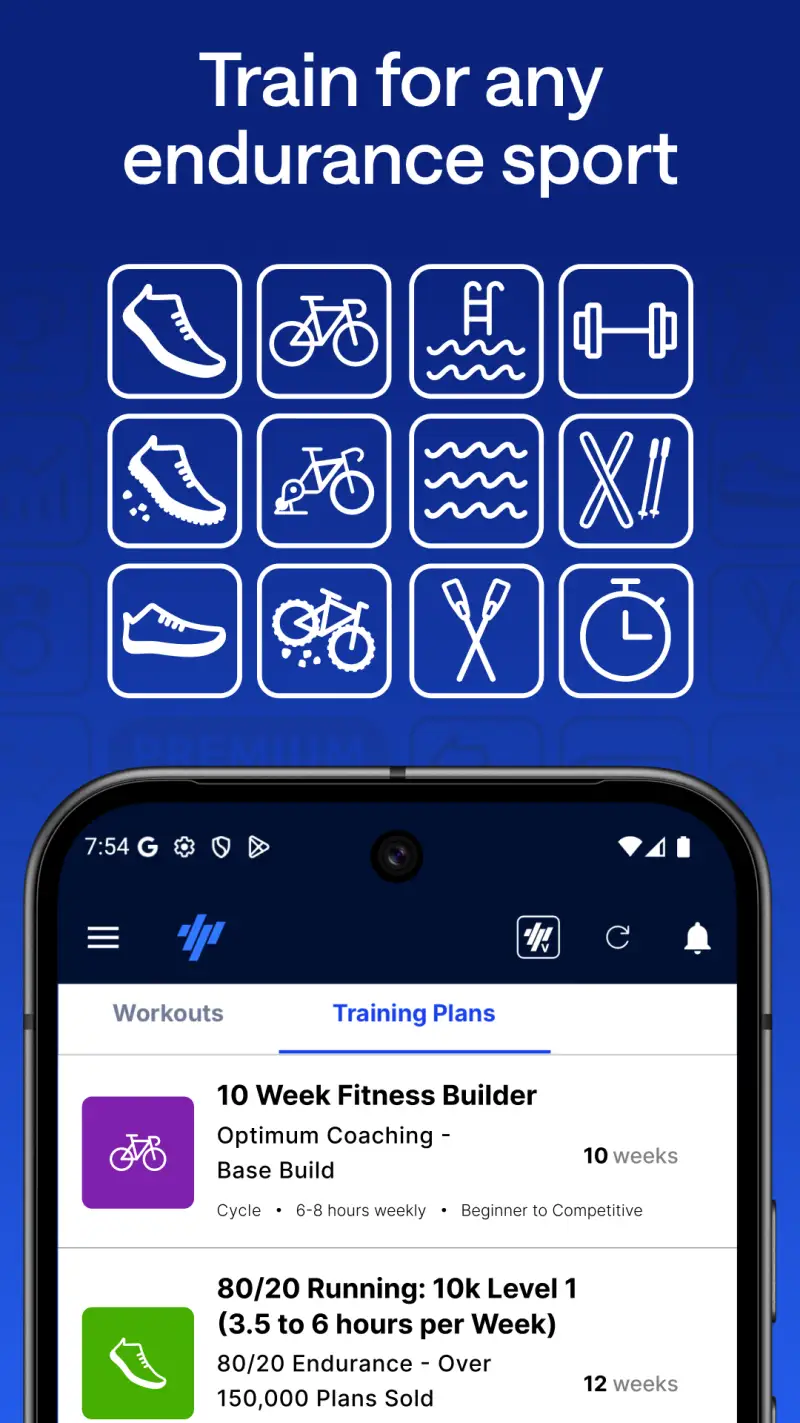

TrainingPeaks has been the planning standard for professional endurance coaches since 2000, and for ultramarathon preparation specifically, it addresses the multi-month structure that consumer apps cannot provide. The Performance Management Chart plots CTL, ATL, and TSB simultaneously across months of training data, making 24-week periodization decisions visible as a curve rather than a feeling.
At $19.99 per month for the Premium athlete plan, TrainingPeaks is the most expensive tool in this guide. For runners working with a remote coach, the investment typically makes sense because the coach assigns workouts directly through the platform, monitors compliance in real time, and adjusts the upcoming block based on actual performance data rather than scheduled progressions. For self-coached runners, the cost warrants honest evaluation against free alternatives.
What TrainingPeaks does well
- Performance Management Chart: CTL, ATL, and TSB visualized on one graph across months, the industry-standard tool for ultra periodization
- Coach-athlete workflow: coaches assign structured workouts, athletes execute them, both review the same data; compliance tracking shows which sessions were completed, shortened, or missed
- Coach Marketplace: plans from David Roche, Joe Friel, Brad Hudson, and other professional coaches, delivered as structured workouts syncing to Garmin and Wahoo devices
- TSS calculations across running, hiking, and strength sessions, relevant for ultra athletes who cross-train deliberately
- Sync with Garmin, Strava, Wahoo, Polar, and COROS for automatic activity import
- Structured workout delivery pushed to Garmin watch faces the night before each scheduled session
Free web alternative: Intervals.icu provides a complete PMC chart, TSS calculations, HRV trend visualization, and custom workout creation used by 160,000+ athletes worldwide at a suggested donation of $4 per month, with full functionality available free. The primary limitation is the absence of a polished Android app; the web interface works on mobile browsers but is clearly optimized for desktop. For self-coached ultramarathoners who understand periodization and are comfortable with web-based tools, try Intervals.icu before committing to TrainingPeaks at $19.99 per month.
Where TrainingPeaks falls short
The mobile interface feels dated compared to every other app in this guide, navigating slowly on Android and providing a noticeably worse experience than the desktop version. Without a coach using the platform to assign workouts, the coach-athlete workflow features that justify much of the monthly cost go unused. The learning curve for PMC terminology and practical application typically takes 3-4 weeks of consistent use before the data meaningfully informs weekly decisions.
Pricing: Free (limited) / $19.99/month athlete plan
Sign up for TrainingPeaks free and import your last 90 days of training data to see your current CTL curve before committing to Premium. Upgrade if you work with a coach who uses the platform or if the PMC data changes how you structure your training weeks in a way that free Intervals.icu does not cover.
Garmin Connect - Best for Recovery and Daily Readiness
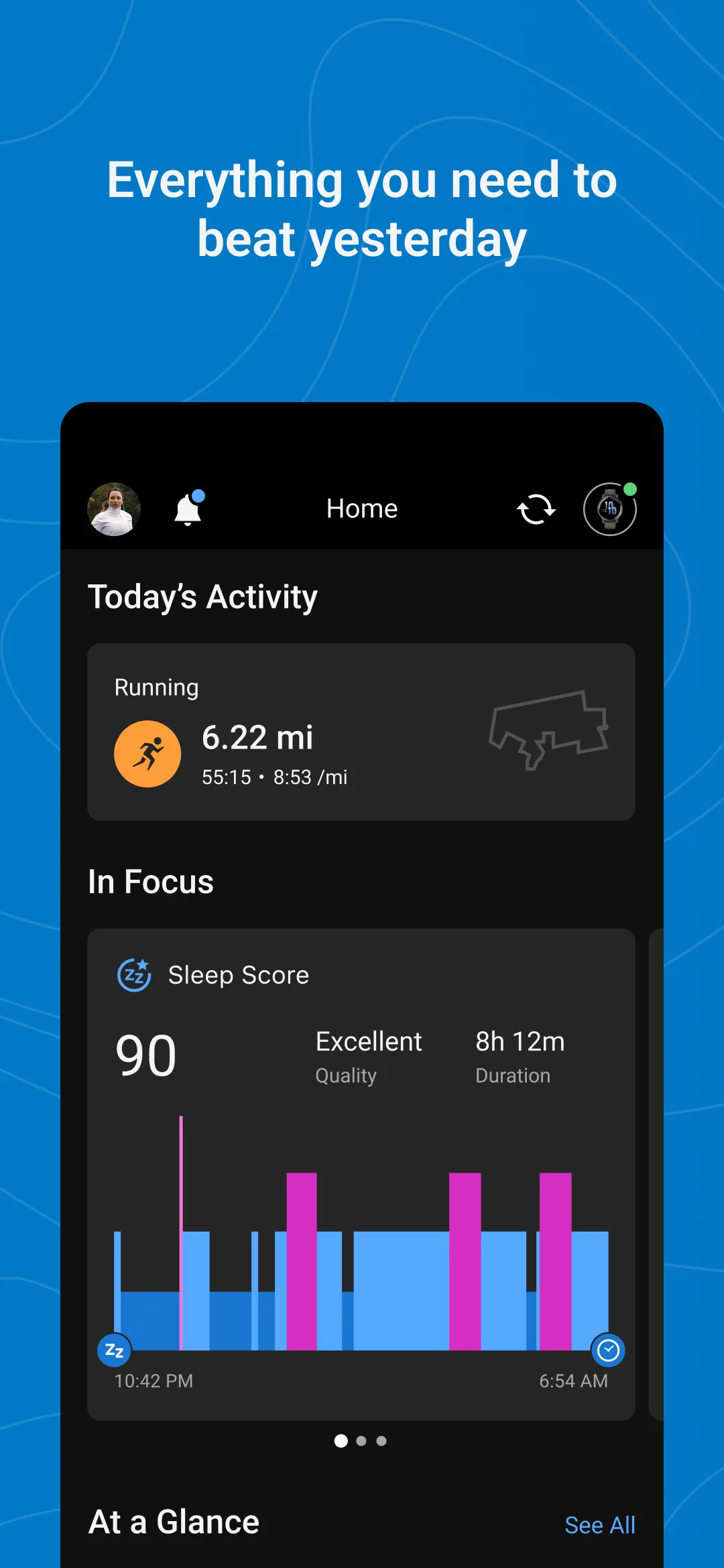
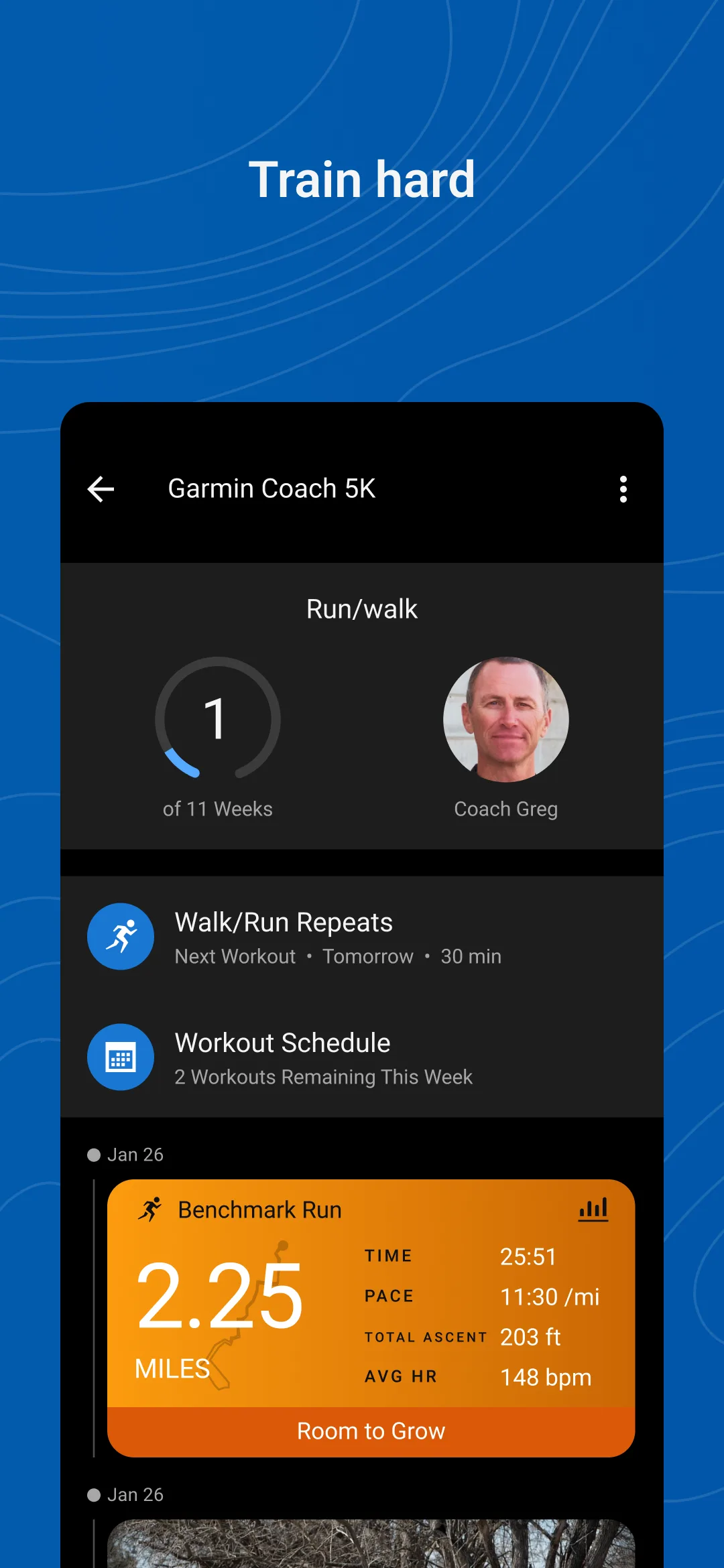
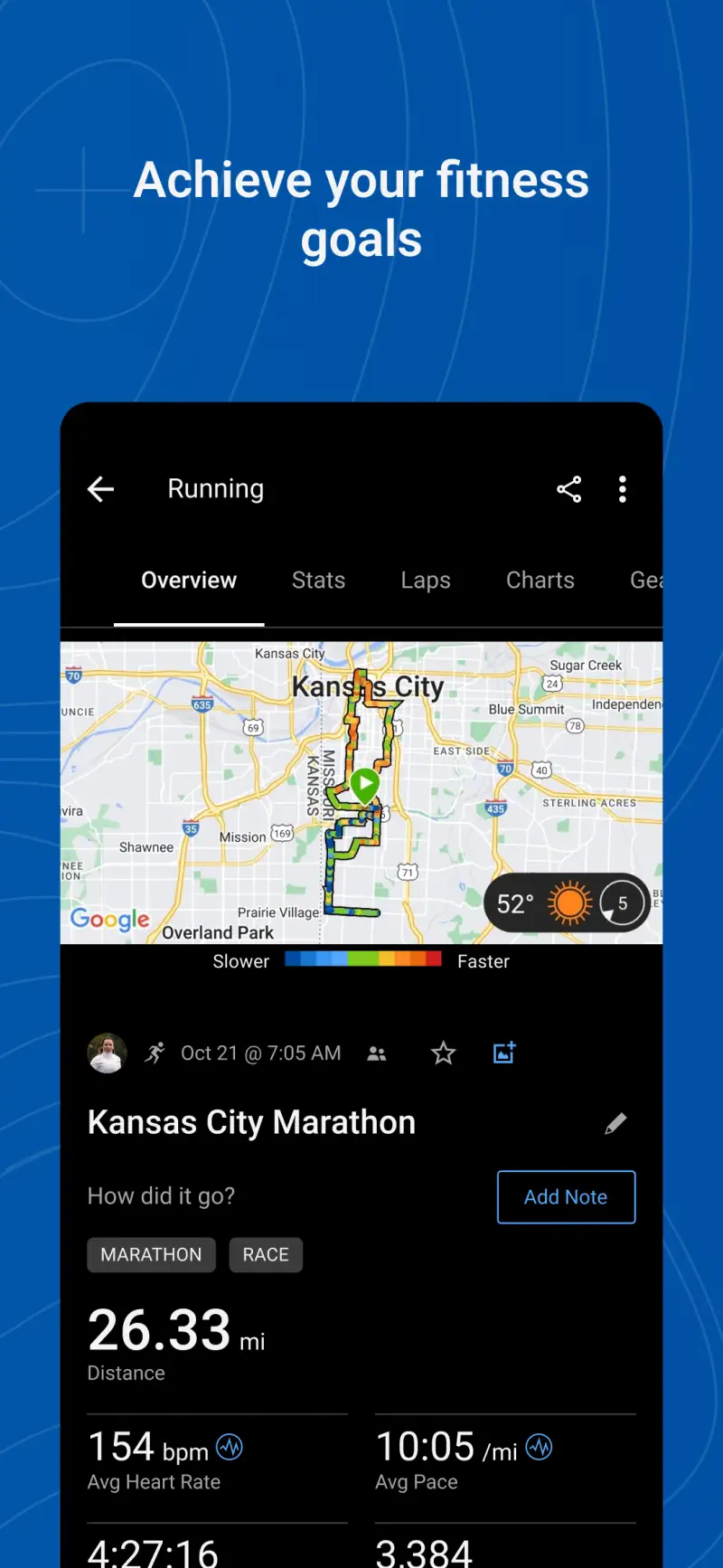
Additionally, Garmin Connect provides the recovery monitoring layer that no other free platform matches, but only for runners who own Garmin hardware. Without a Garmin watch, download something else. With compatible hardware, Garmin Connect delivers Body Battery, HRV Status, Training Load, and VO2max as a complete daily readiness picture at zero additional cost beyond the watch investment.
For ultramarathon training, where weeks 14-20 of a training block involve the highest accumulated fatigue and the highest injury risk simultaneously, daily readiness data becomes a training variable rather than a curiosity. Body Battery below 40 on a scheduled 4-hour mountain run suggests either postponing the session or converting it to easy hiking; the same run with a Body Battery of 75 after good sleep is a different physiological situation entirely.
What Garmin Connect does well
- Body Battery: daily readiness score combining HRV, stress measurements, and sleep quality into a 0-100 number; updates throughout the day as recovery or stress accumulates
- HRV Status: rolling 5-week personal baseline tracking; drops below your established range typically precede subjective fatigue by 24-48 hours, allowing session modification before overreaching occurs
- Training Load: acute versus chronic load balance updated after every activity, identifying overtraining risk before it manifests as injury or immune suppression
- VO2max trending across weeks and months of training, providing an objective marker of aerobic fitness progression through the training block
- Sleep tracking with sleep stage analysis and overnight HRV measurements integrated into Body Battery scoring
- Completely free for all Garmin device owners, with entry-level GPS running watches starting at $199 for the Forerunner 55
Where Garmin Connect falls short
The app provides zero value to runners without Garmin hardware; runners using Polar, COROS, or Suunto have equivalent ecosystem apps from their respective brands that are non-transferable. The interface density is high compared to consumer apps, requiring meaningful time to navigate efficiently. Garmin Connect does not provide periodization planning or coaching structure; pair it with TrainingPeaks for the load management layer and Gaia GPS for navigation.
Pricing: Free (requires Garmin device)
Activate Garmin Connect as your recovery hub if you own a Garmin watch, enable HRV Status immediately, and let it establish your personal baseline over a minimum 4-week window before drawing conclusions from the daily readings. The 4-week baseline period means starting this process before your training block begins, not after.
Gaia GPS - Best for Backcountry Race Navigation

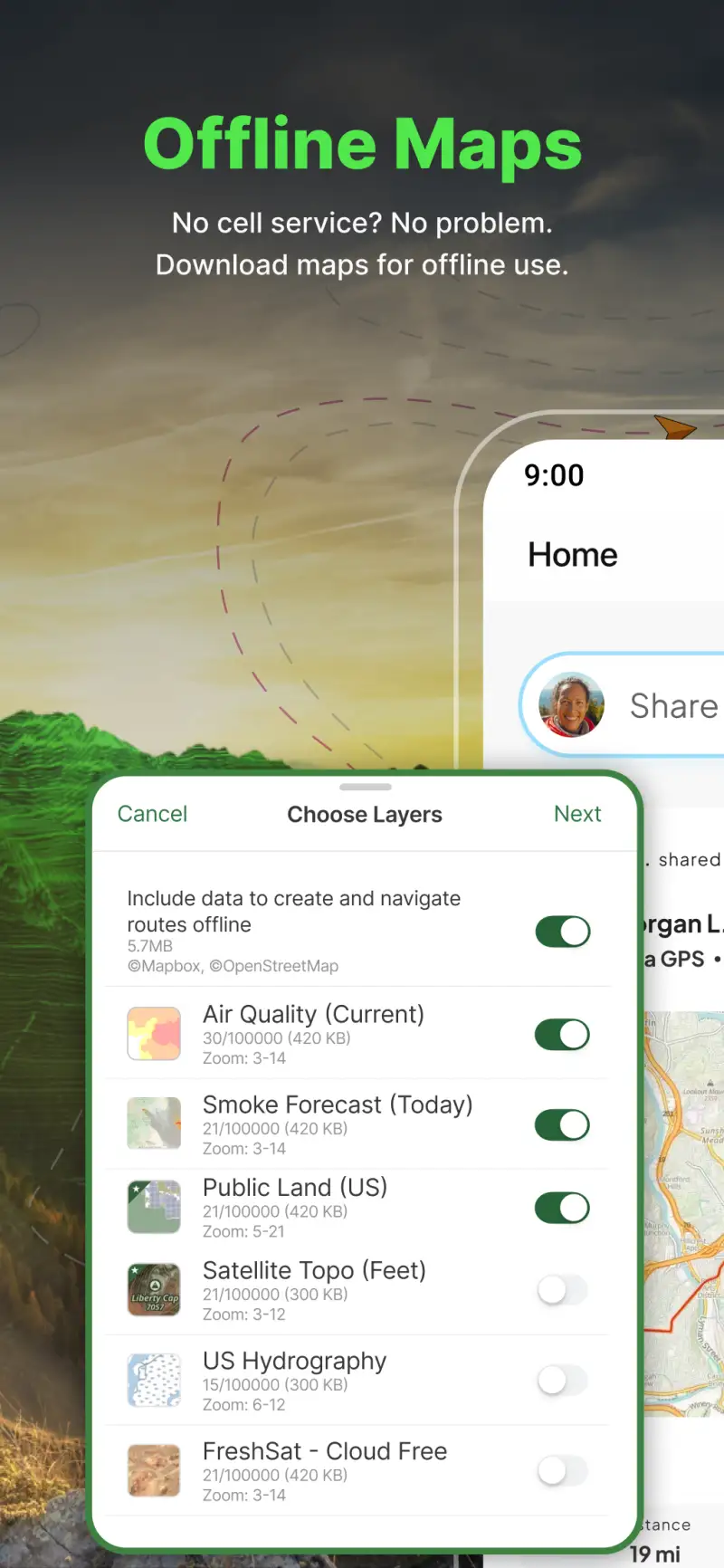
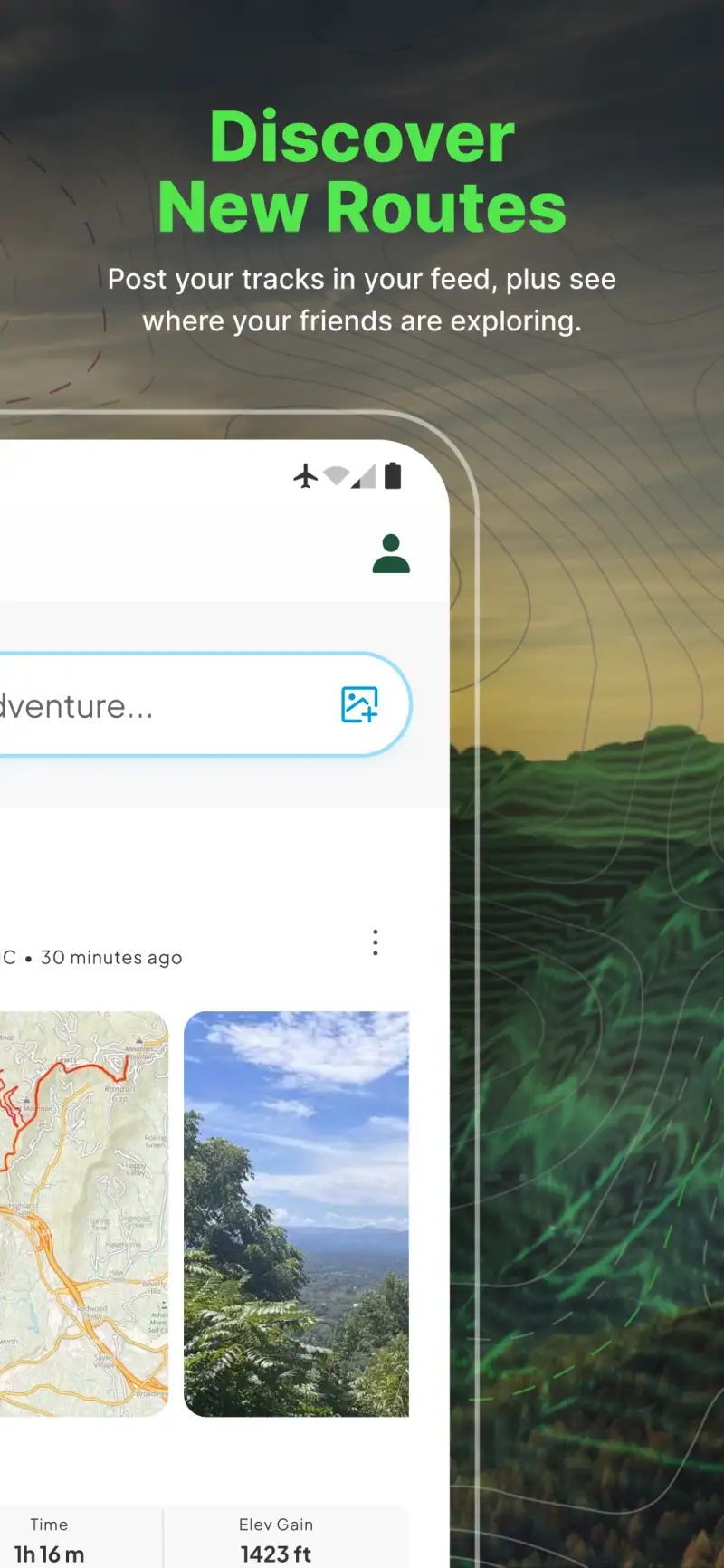
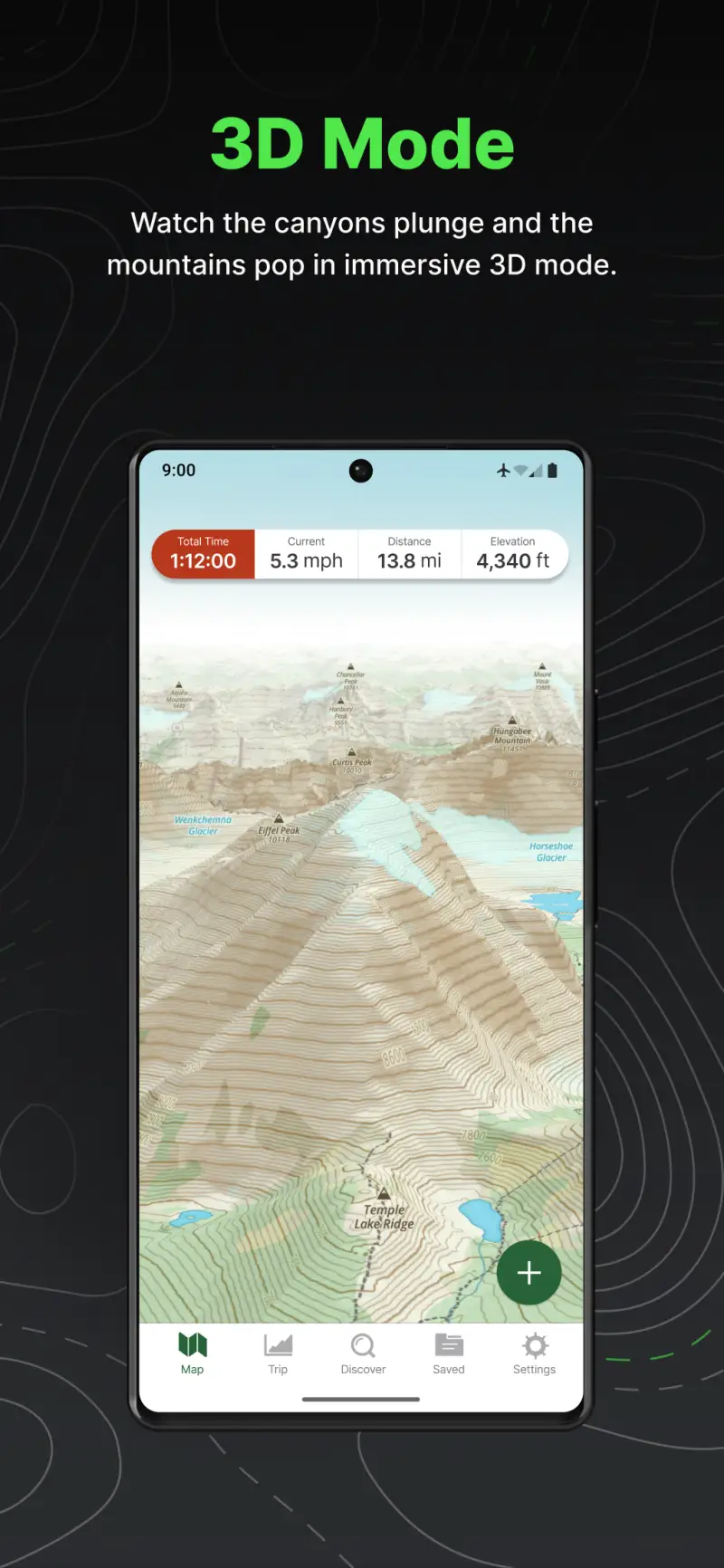
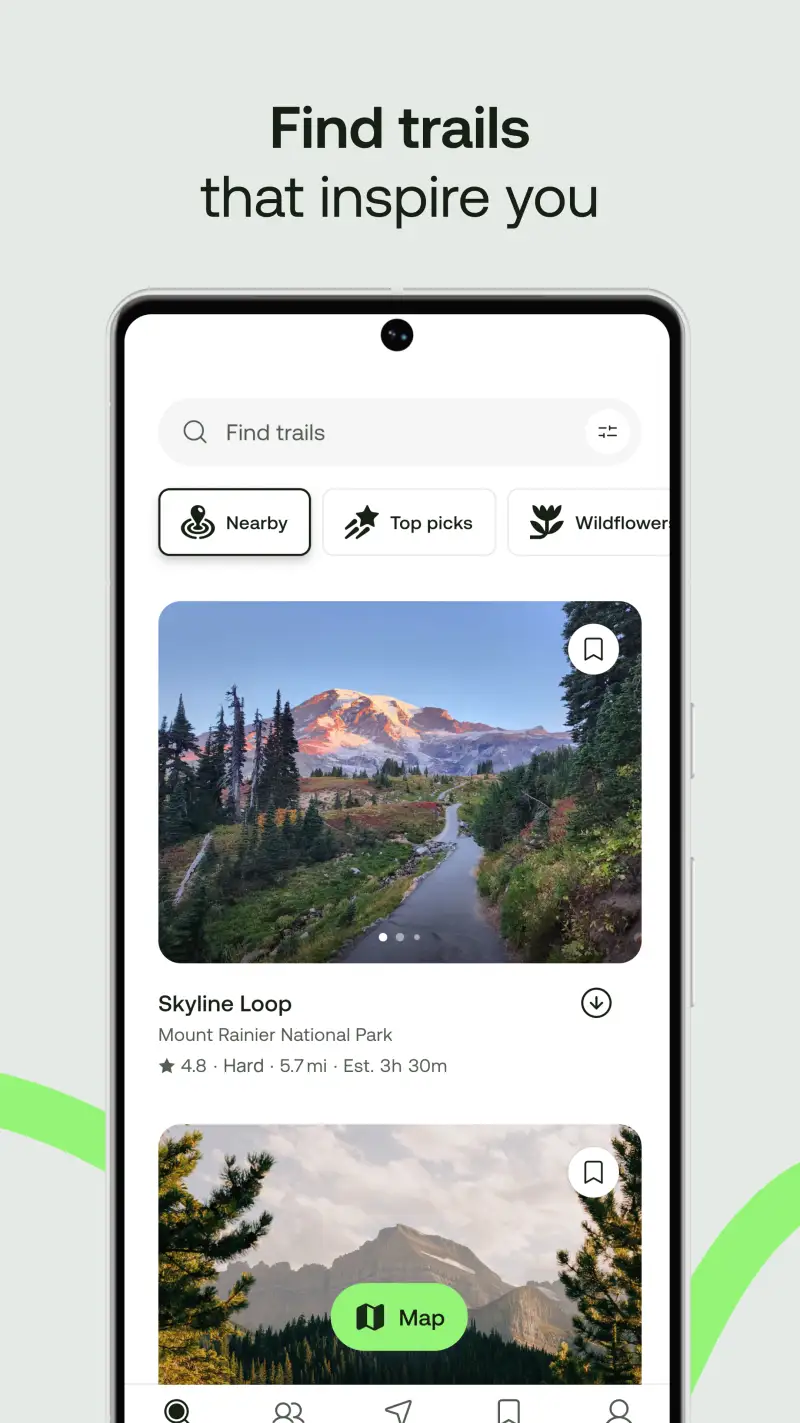
However, recovery data and periodization tools do not help when you are 60 km into a 100-mile mountain race and the route crosses a ridge with no cellular signal. Gaia GPS solves the navigation problem that standard running apps cannot: reliable topographic navigation in genuinely remote terrain, fully functional offline, with multi-layer mapping that shows gradient and surface type simultaneously.
For ultra races with technical mountain courses - events crossing wilderness terrain without marked aid stations every few kilometers - Gaia GPS provides navigation capability that the other apps in this guide do not offer. Trail running apps like AllTrails and Komoot work well on established trail networks; Gaia GPS works in areas beyond those networks.

What Gaia GPS does well
- Offline topographic navigation: full-resolution topo maps downloaded before the race or training run, completely functional without any cellular signal
- Multi-layer mapping: topographic contours, satellite imagery, and real-time slope angle analysis simultaneously on a single view, with each layer individually adjustable
- Slope analysis showing gradient percentage and color-coded steepness, relevant for assessing terrain difficulty and identifying hazard areas during route planning
- Extensive map source library including USGS topographic maps, National Forest Service data, OpenStreetMap layers, and satellite imagery
- Waypoint creation and route recording with accurate elevation data during the run
- $39.99 per year, the most affordable dedicated backcountry navigation tool in this category
Where Gaia GPS falls short
The learning curve is steeper than any other app in this guide: comfortable proficiency with layer switching, offline map downloading, and waypoint management typically requires several practice sessions before the app feels intuitive under race conditions. Gaia GPS is not a training platform; it has no heart rate integration, training load tracking, coaching features, or running community. Use it specifically for backcountry navigation and sync activities to Strava or Garmin Connect for the training data layer.
Pricing: Free (limited) / $39.99/year Premium (full offline maps, all layers)
Subscribe to Gaia GPS Premium and practice downloading offline maps and switching between topo and satellite layers before your first remote run or race. The app rewards preparation; arriving at a backcountry race without having practiced the offline download workflow is a preventable mistake.
Vert.run - Best for Vertical Climbing Metrics

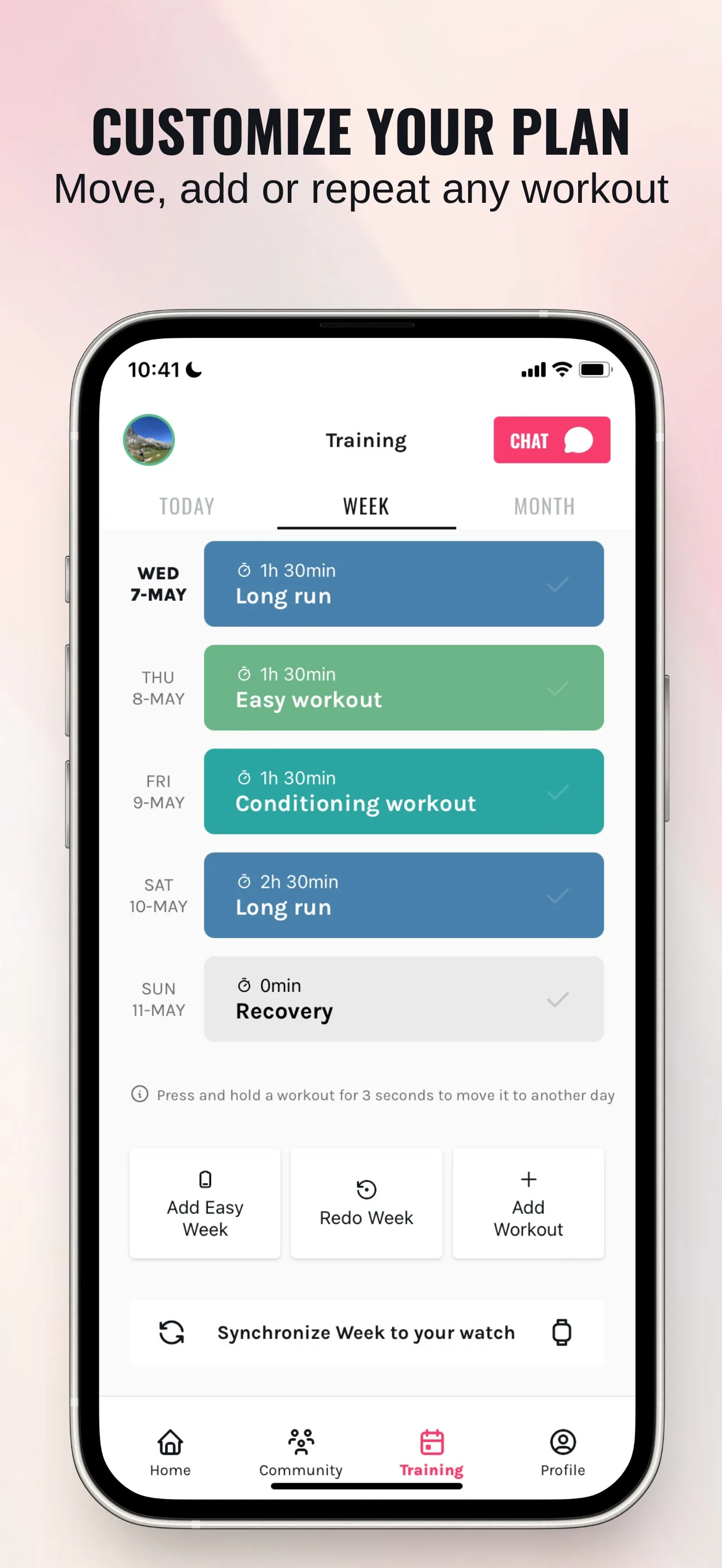
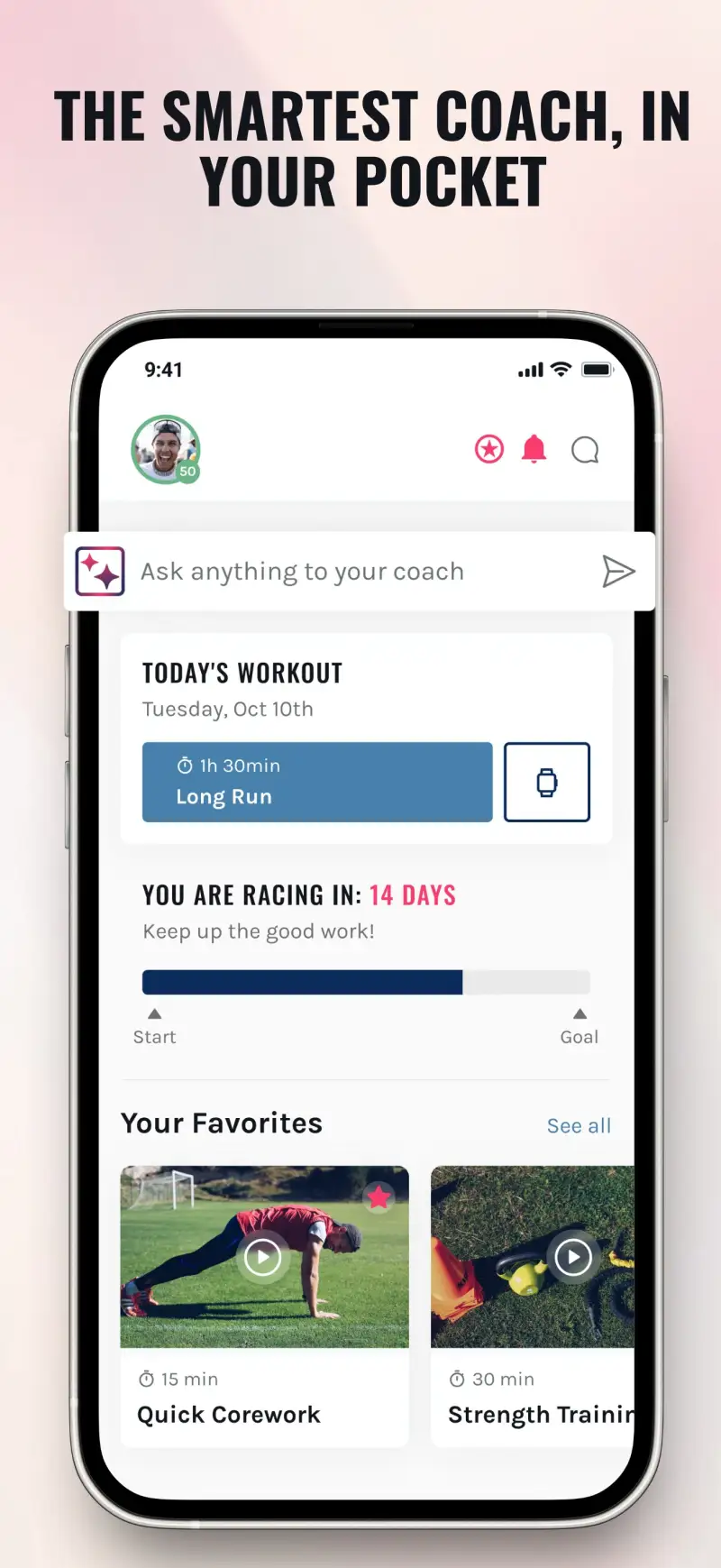
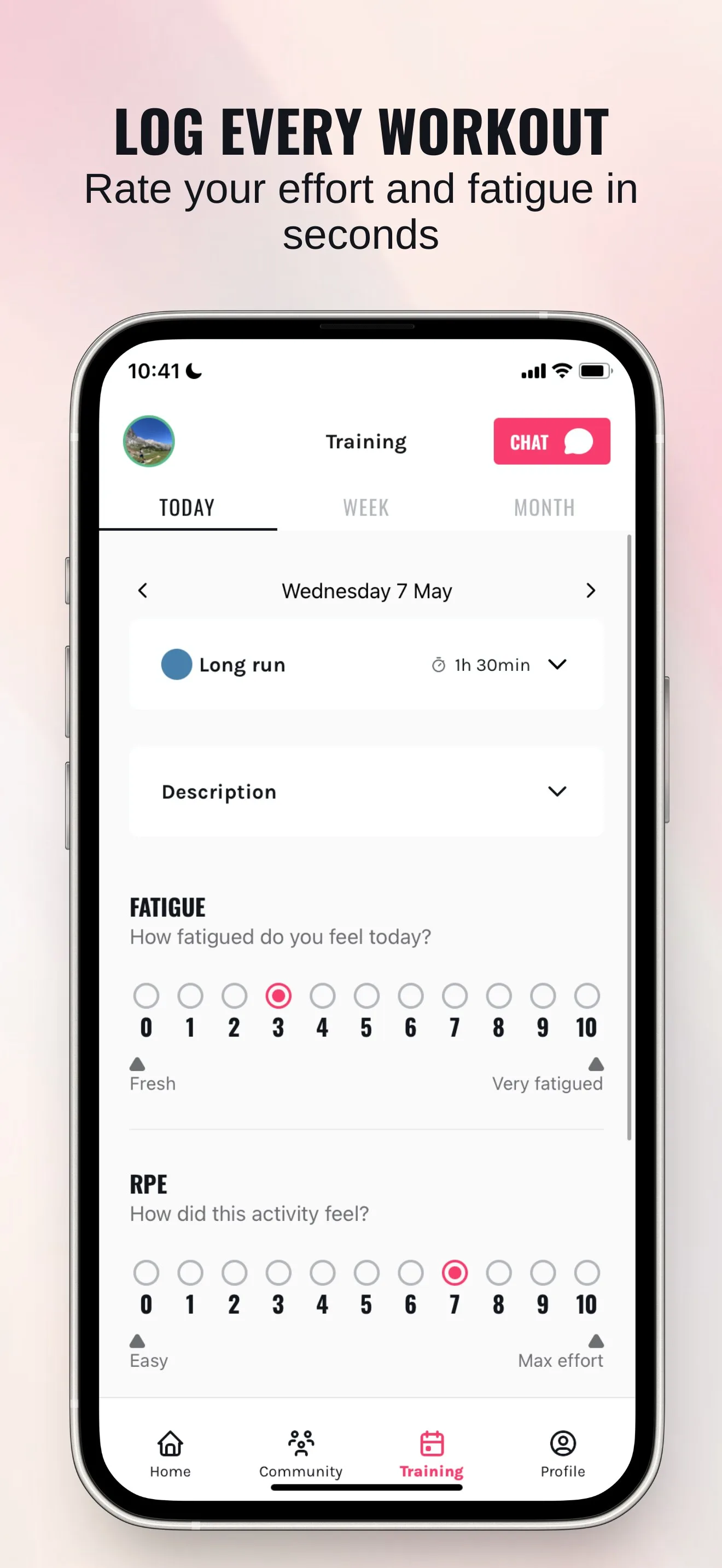
Building on navigation capability, Vert.run addresses a gap that both Garmin Connect and TrainingPeaks leave partially unfilled: training metrics built specifically around vertical gain as the primary load variable. Standard platforms track elevation as a secondary statistic alongside distance; Vert.run tracks vertical kilometers as the central training number, because for ultra runners on technical mountain terrain, that is the number that actually reflects training stress.
Vert.run is the only app in this guide designed exclusively for trail runners and ultramarathoners from its initial release. Race-specific training plans account for the elevation profile of the target race, not just total distance. Aid station strategy tools project arrival times at each checkpoint based on terrain gradient, current fitness, and historical performance on similar climbs.
What Vert.run does well
- Vertical kilometer tracking as the primary training metric, not a secondary stat; weekly vert targets are the foundation of the training structure
- Race-specific training plans built around the elevation profile of your target event, adjusting volume and intensity based on vertical gain rather than flat-equivalent distance
- Aid station strategy projections: estimated checkpoint arrival times based on terrain, elevation, current fitness, and planned effort level
- Community specifically composed of trail runners and ultramarathoners, distinct from the road running majority that defines Strava’s activity feed
- Course analysis for race routes with split projections by segment based on gradient and surface type
- Data import from Garmin, Strava, and other platforms
Where Vert.run falls short
The user base is significantly smaller than Strava, meaning community features feel quiet outside of race periods and active trail running regions. The app is less mature than Gaia GPS or Komoot in interface polish, with occasional Android sync delays noted in testing on Samsung Galaxy S24. Vert.run does not replace navigation tools; use it alongside Komoot and Gaia GPS for route planning and backcountry navigation.
Pricing: Free tier available; subscription for full race plan access
Download Vert.run and enter your current weekly vertical kilometer average to establish your training baseline. Sign up for a race-specific plan 16-24 weeks before your target event to get the full benefit of the elevation-adjusted periodization structure.
Komoot - Best for Ultra Route Planning
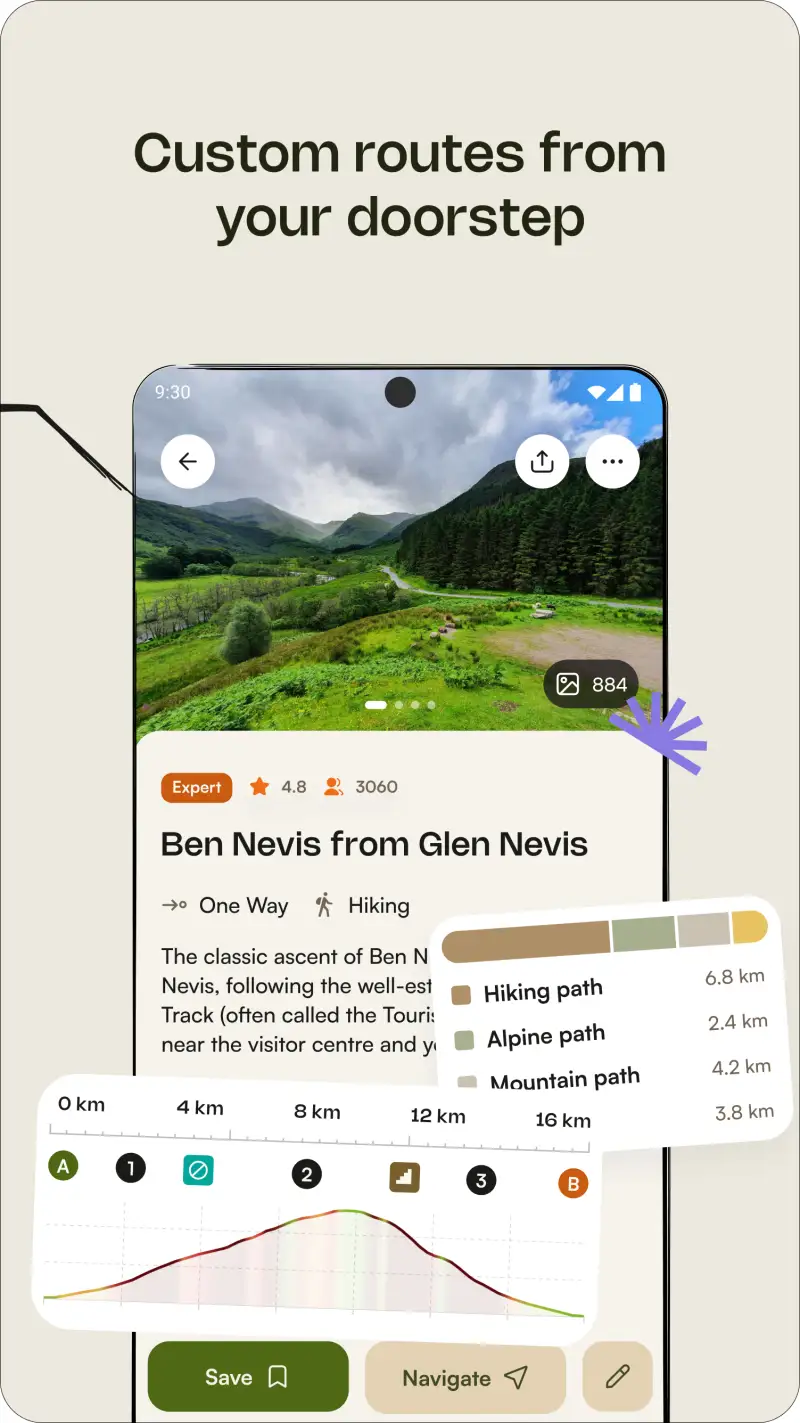
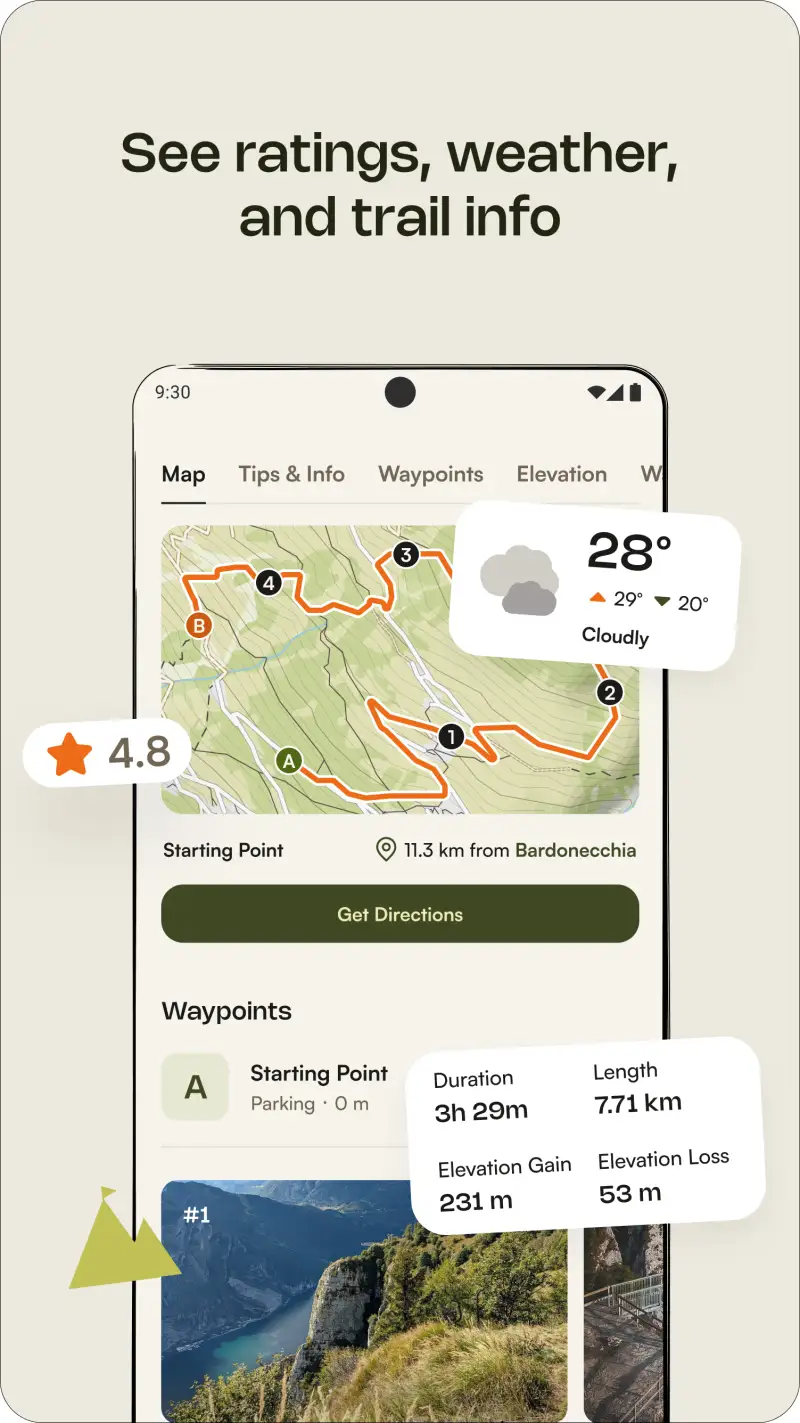
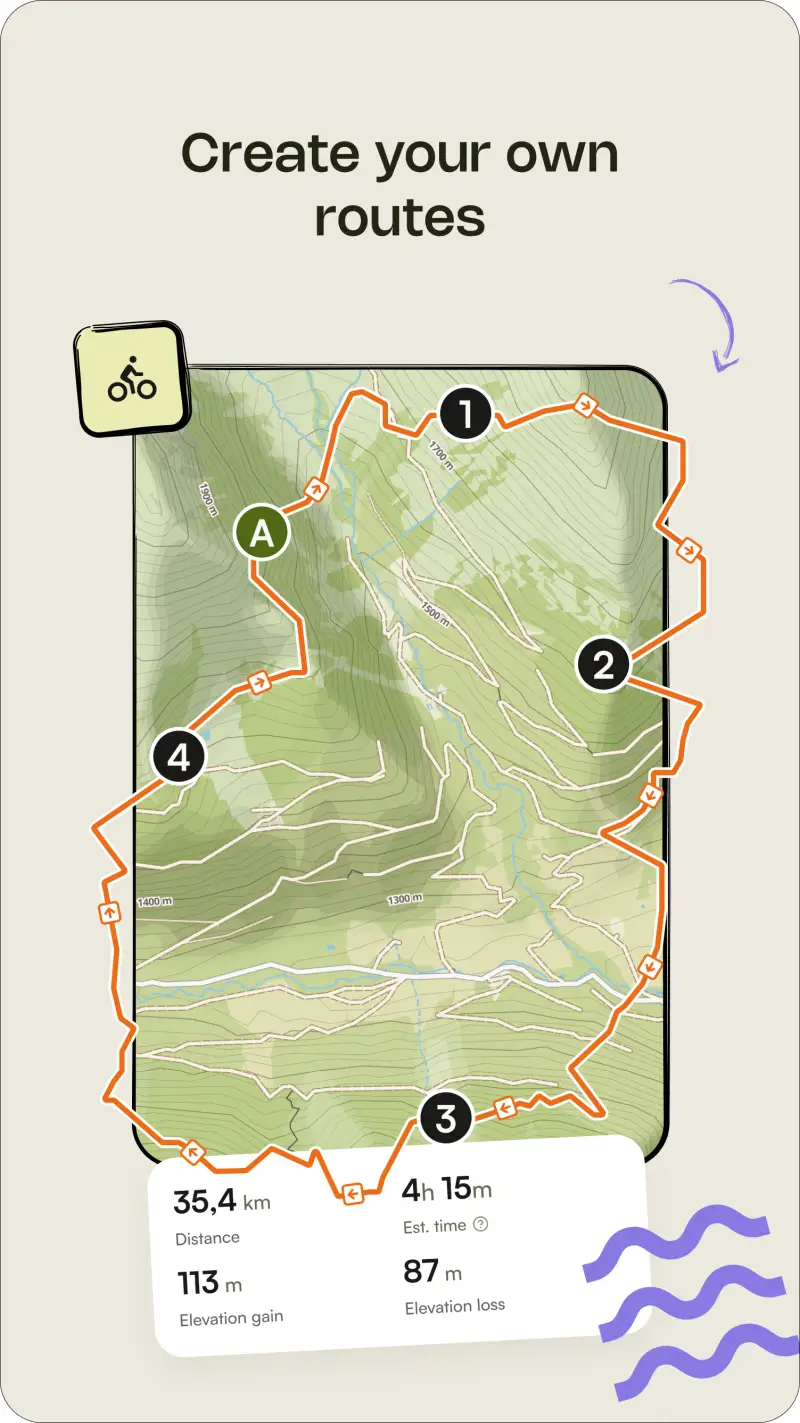
Unlike backcountry navigation tools, Komoot solves a different planning problem: creating and discovering routes that match your specific surface preferences and terrain requirements before you run them. For ultra training runs covering 40-60 km with specific elevation targets, planning the route in advance using Komoot’s surface-aware routing engine prevents the common frustration of arriving at a section expecting runnable trail and finding technical boulder terrain.
The routing engine distinguishes paved road from gravel track from singletrack at the planning stage, showing surface breakdown on the elevation profile. For long training runs designed to simulate race terrain, that surface information determines whether the planned route actually replicates the target race conditions.
What Komoot does well
- Surface-aware routing: paved / gravel / dirt / singletrack visible on the elevation profile before you commit to the route
- Elevation profiles with gradient detail for every planned section, including gradient percentage per segment
- 160,000+ community trail and gravel routes worldwide, particularly strong in European mountain regions including the Alps and Dolomites
- Turn-by-turn voice navigation on technical terrain, with offline map downloads for areas without cellular coverage
- Sync with Strava for automatic activity sharing after training runs
- €29.99 one-time worldwide map purchase, competitive against annual subscription alternatives
Where Komoot falls short
The 2025 pricing change moved Garmin and Wahoo device sync behind a Premium subscription at roughly €4.99 per month, generating significant backlash from existing users. Trail database density is weaker in North America compared to Europe; runners in mountain regions of the American West may find limited community route coverage compared to European equivalents. Komoot has no training analytics, recovery monitoring, or coaching features.

Pricing: Free (one local region) / €29.99 one-time (worldwide maps) / ~€4.99/month Premium for device sync
Purchase the Komoot worldwide map bundle at €29.99 if you train or race across multiple regions. Add Premium only if Garmin or Wahoo device sync is a workflow requirement. Use Komoot for route planning and Gaia GPS for backcountry navigation; the two tools cover different terrain scenarios and complement rather than replace each other.
Strava - Best Social Layer for Ultrarunners
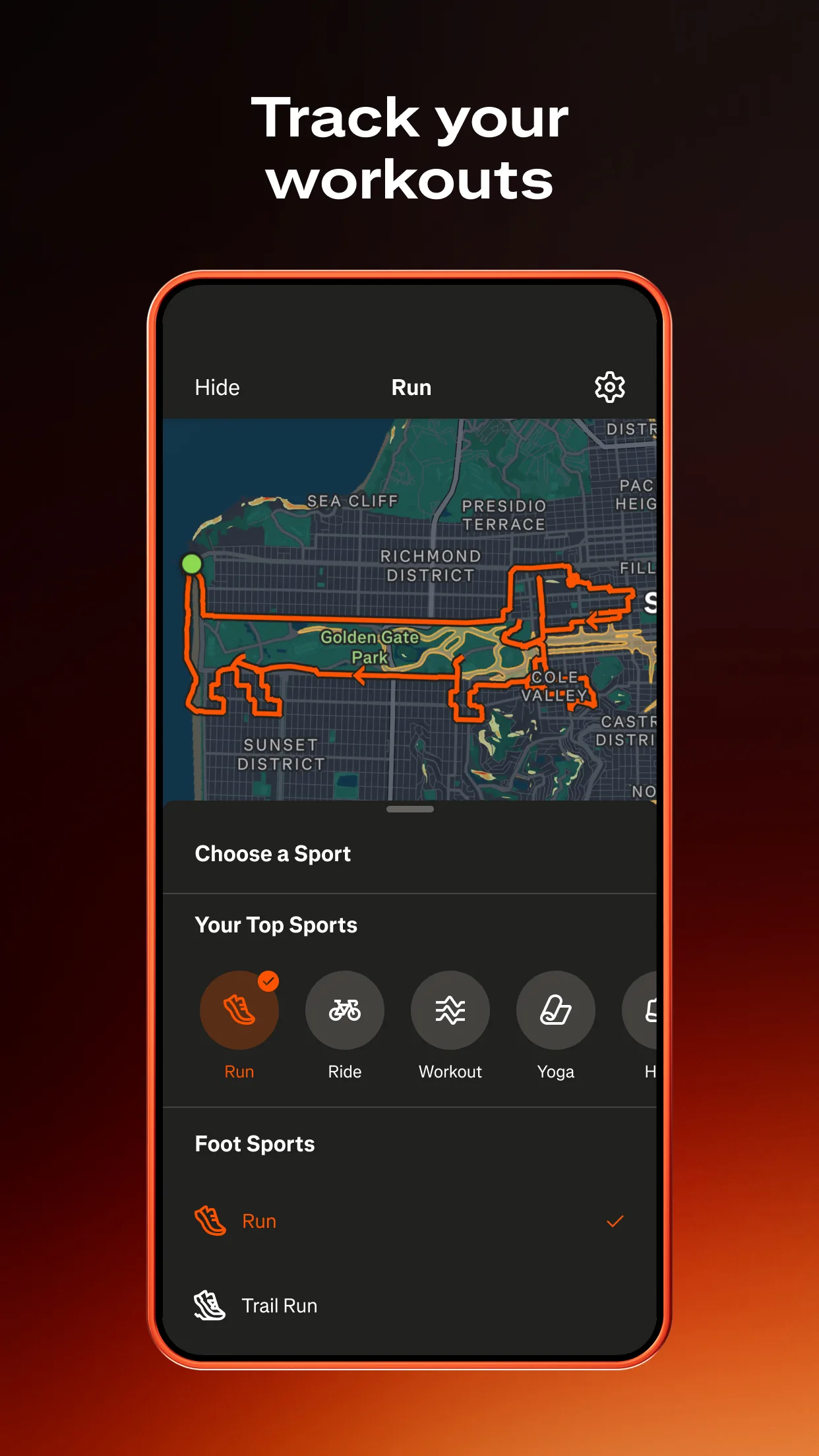
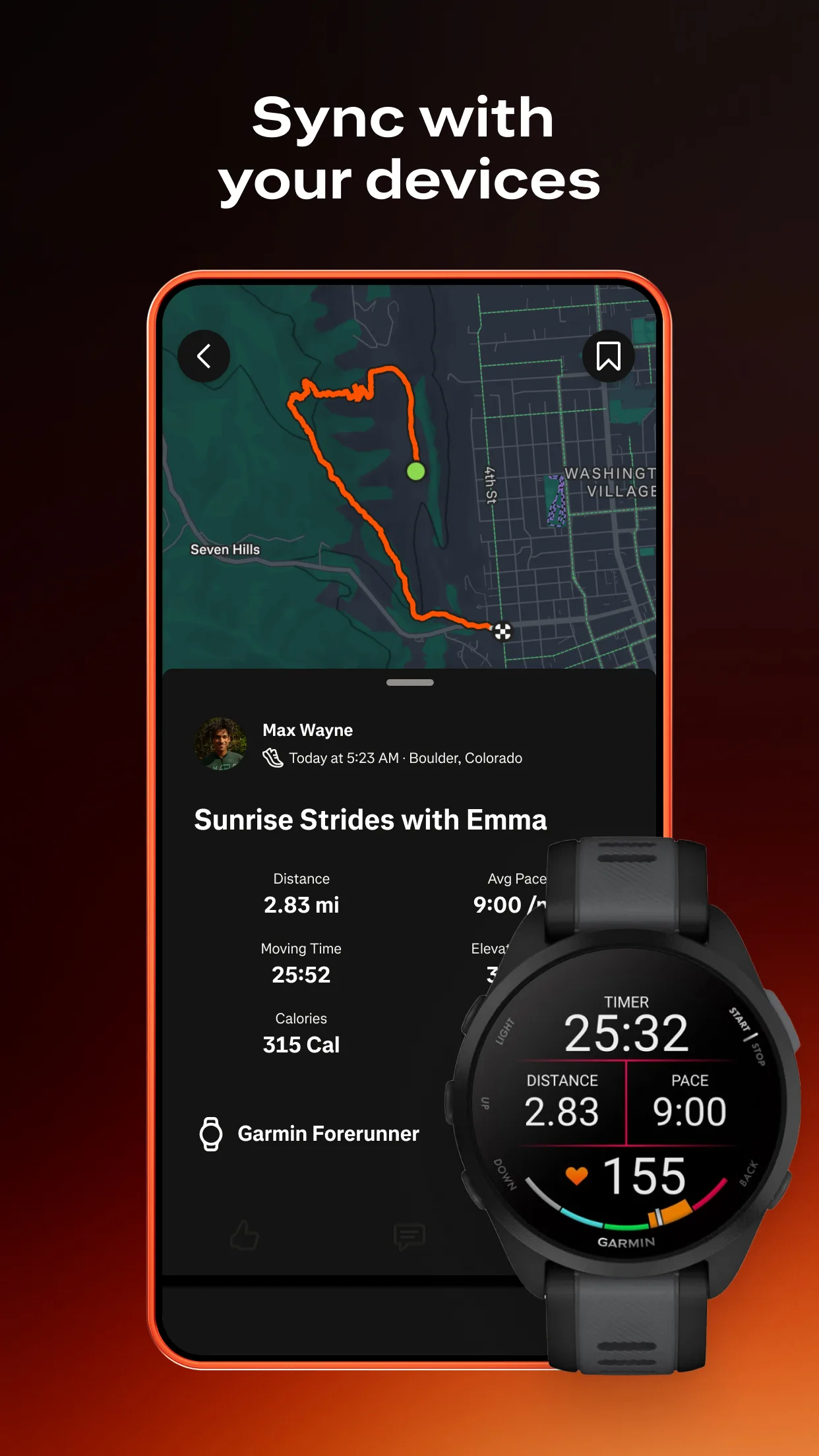
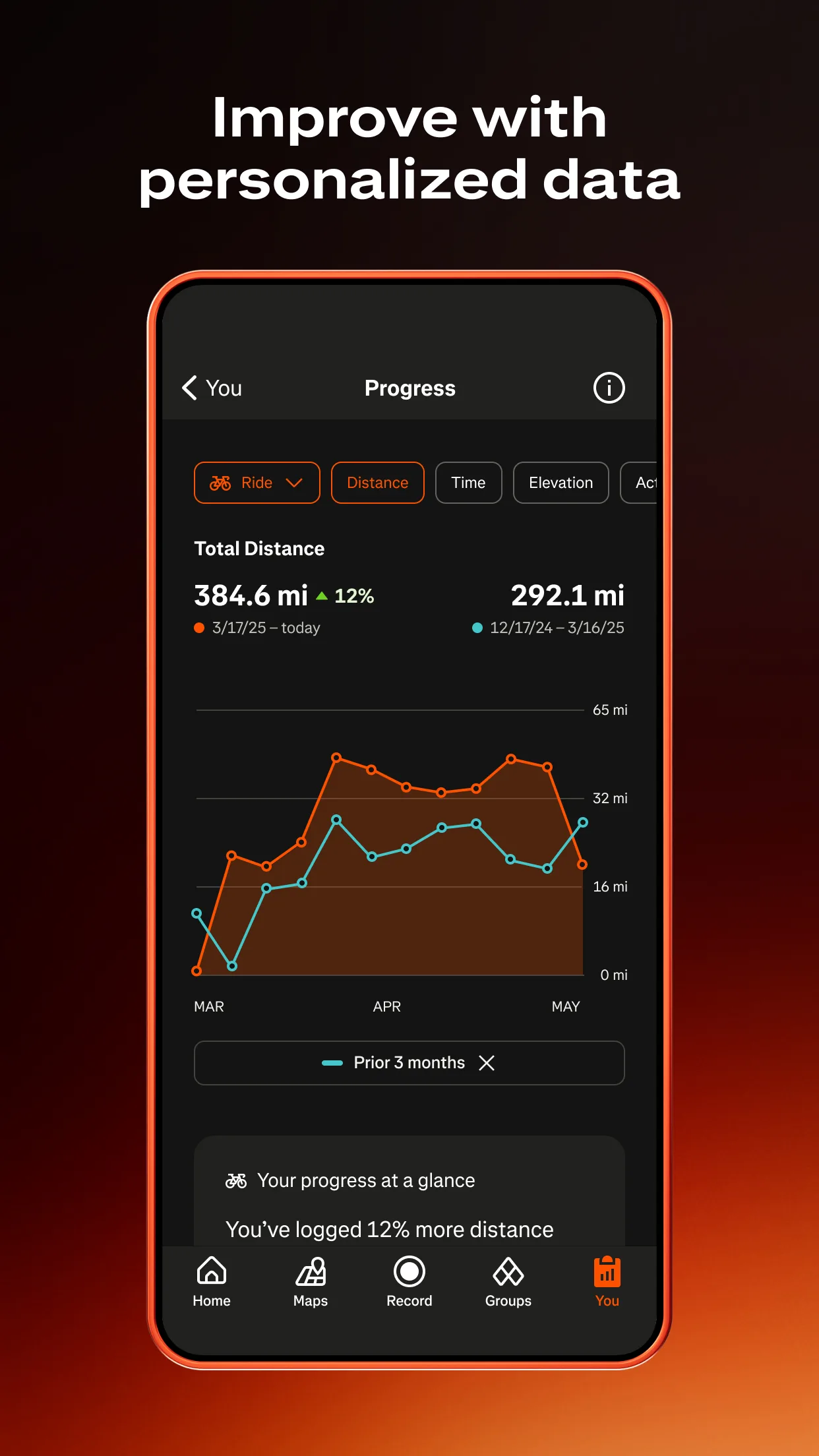
Additionally, Strava provides the community infrastructure that ultra runners share regardless of their primary training tools. With 195 million registered users and active trail running and ultramarathon clubs on every continent, Strava functions as the social layer that connects the specialized tools in an ultramarathoner’s stack to a broader running community.
At the ultra level, where training involves months of high-volume work between infrequent races, the accountability layer that Strava’s clubs and segment competition provides often matters for consistency during the weeks when training is hard and motivation is low. Strava’s free tier covers the relevant features for ultramarathoners without requiring a Premium subscription.
What Strava does well
- Segments on mountain trails and popular ultra training routes worldwide, functioning as informal time trials between organized races
- Ultramarathon and trail running clubs with monthly challenges and community accountability
- Heatmap routing showing where other runners train in any region, useful for discovering local trail networks
- Device sync with Garmin, Polar, COROS, Apple Watch, and Wear OS for automatic activity upload
- Free tier covers segments, clubs, and activity sharing - the features most relevant for ultra runners
- 195 million users provides meaningful community density even in niche ultra-specific clubs
Where Strava falls short
Strava is a social tracking tool, not a training platform or navigation app. Heart rate zone analysis, training load, and filtered leaderboards moved behind the $79.99 per year paywall since 2024. For ultramarathoners whose primary analytics needs are covered by TrainingPeaks and Garmin Connect, Strava free covers the community function without requiring the Premium subscription.
Pricing: Free (tracking + social + segments) / $79.99/year Premium
Install Strava free and connect with local ultra and trail running clubs before your next training block. Premium is worth adding if Live Segments and filtered leaderboards align with your training routes; the free tier covers community accountability without additional cost.
Which App Stack Fits Your Ultra Training
| App | Best For | Annual Cost | Hardware Required |
|---|---|---|---|
| TrainingPeaks | Multi-month periodization, coach workflow | $239.88 | Any device |
| Garmin Connect | Recovery monitoring, daily readiness | Free | Garmin watch |
| Gaia GPS | Backcountry race navigation | $39.99 | Any device |
| Vert.run | Vertical training metrics, race plans | Free / subscription | Any device |
| Komoot | Ultra route planning | Free + €29.99 maps | Any device |
| Strava | Community, segments, clubs | Free / $79.99 | Any device |
Self-coached with Garmin hardware
TrainingPeaks for PMC periodization, Garmin Connect for daily recovery monitoring, Gaia GPS for backcountry navigation, Komoot for route planning, and Strava free for community accountability. Total annual cost lands around $280-300 USD, excluding the watch investment. Sign up for TrainingPeaks free first, import your training history, and evaluate whether the PMC data changes your weekly decisions before committing to the paid tier.
Working with a remote coach
TrainingPeaks is often non-negotiable when working with a professional coach, because most experienced ultra coaches deliver structured workouts through the platform and monitor compliance data in real time. Add Garmin Connect for recovery data, Gaia GPS for race terrain navigation, Vert.run for vertical tracking, and Strava free for community. Many coaches include TrainingPeaks athlete licenses in their coaching fee, reducing out-of-pocket cost.
Self-coached on a budget
Try Intervals.icu as a free web-based PMC alternative before paying for TrainingPeaks. Combine it with Garmin Connect for recovery monitoring, Gaia GPS Premium for navigation, Komoot for route planning, and Strava free. Annual cost drops to roughly $80 USD while covering the core periodization and navigation functions. The limitation is the absence of a polished Android app for Intervals.icu; the web interface works on mobile but is clearly desktop-optimized.
First ultra at 50K distance
Garmin Connect for recovery monitoring, Komoot for route planning on training runs, AllTrails for local trail discovery, and Strava free for community. This stack covers the essential functions without TrainingPeaks complexity, which is appropriate for a first 50K where the primary goal is finishing rather than optimizing a multi-month CTL build. Add TrainingPeaks in future cycles once the periodization concepts become familiar in practice.