Recreational runners - logging 25 to 50 km per week, preparing for a first 10K or half-marathon, wanting structure without obsessing over Training Stress Score - are the category most running app reviews serve poorly. Either the review assumes you need a C25K walk-run program, or it assumes you already own a Garmin Forerunner and track chronic training load. The middle ground is where most adult runners actually live: consistent, motivated, preparing for at least one race per year, but not managing periodization across 20-week blocks. Strava dominates this segment through its social infrastructure - 195 million registered users, $415 million in 2025 revenue, and the kudos system that makes posting a Saturday morning run feel like something shared rather than private. Runna, now owned by Strava following the 2025 acquisition, provides the structured coaching plan that Strava historically lacked. Nike Run Club covers both at zero cost.
After testing 8 running apps on Pixel 8 and Samsung Galaxy S24 running Android 15 across recreational runner training contexts in 2025-2026, I found four that serve this segment across the range from zero-budget GPS tracking to structured race preparation coaching.
Who this is for: Runners with 1+ years of consistent running experience, logging 20 to 60 km per week, targeting 10K through half-marathon races, who understand basic pacing but have not worked with structured training plans or coaching. If you are preparing for your first 5K, the beginners guide covers your stage. If you track HRV trends and want Performance Management Chart analytics, the serious runners guide addresses your needs.
What Recreational Runners Need That Beginner Apps Don't Provide
Moving from C25K completion to consistent recreational running creates three requirements that audio-coach apps cannot address.
Race-Specific Structured Training Plans
A runner targeting a 2:00 half-marathon in 14 weeks needs a training plan that builds to that specific goal, adjusts when sessions are missed, and prescribes the right mix of easy runs, tempo work, and long runs rather than just “run 5 days per week.” Nike Run Club’s guided runs and Runna’s AI-adapted plans serve this differently: NRC provides motivational structure; Runna provides coaching precision. Both are more valuable than static PDF plans that cannot adapt to a runner’s actual progression.
Community Accountability for Sustained Motivation
Most beginner runners quit during the first 12 months not because they lack fitness or time, but because training without external accountability is difficult. Strava’s social layer - clubs, kudos, segment challenges, monthly totals - creates the ambient accountability that sustains recreational runners across the flat middle of a training block. A Saturday morning run posted to Strava with 23 kudos from local club members provides different motivation than the same run logged privately.
GPS Tracking and Performance History That Builds Over Time
Recreational runners need a growing history of runs - pace trends, weekly mileage accumulation, long run progression - that shows improvement across months. A beginner GPS tracker that only shows this week’s runs is insufficient. The performance history that allows a recreational runner to compare this November’s half-marathon with last November’s, track pace improvement month by month, and see their longest run progressively extending across a training block, requires a platform that accumulates and displays longitudinal data effectively.
Strava - Best Social Running Platform for Recreational Athletes
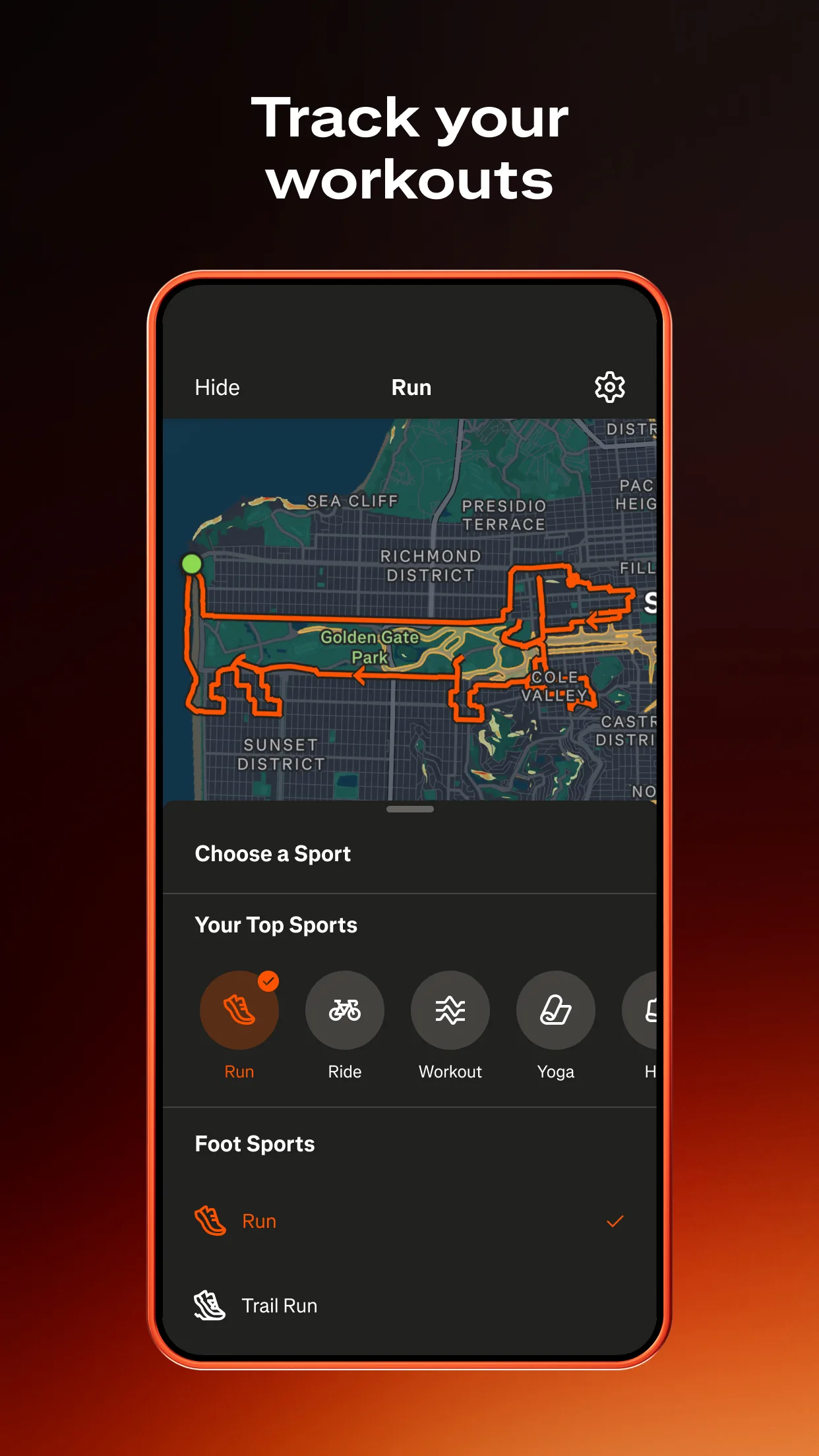
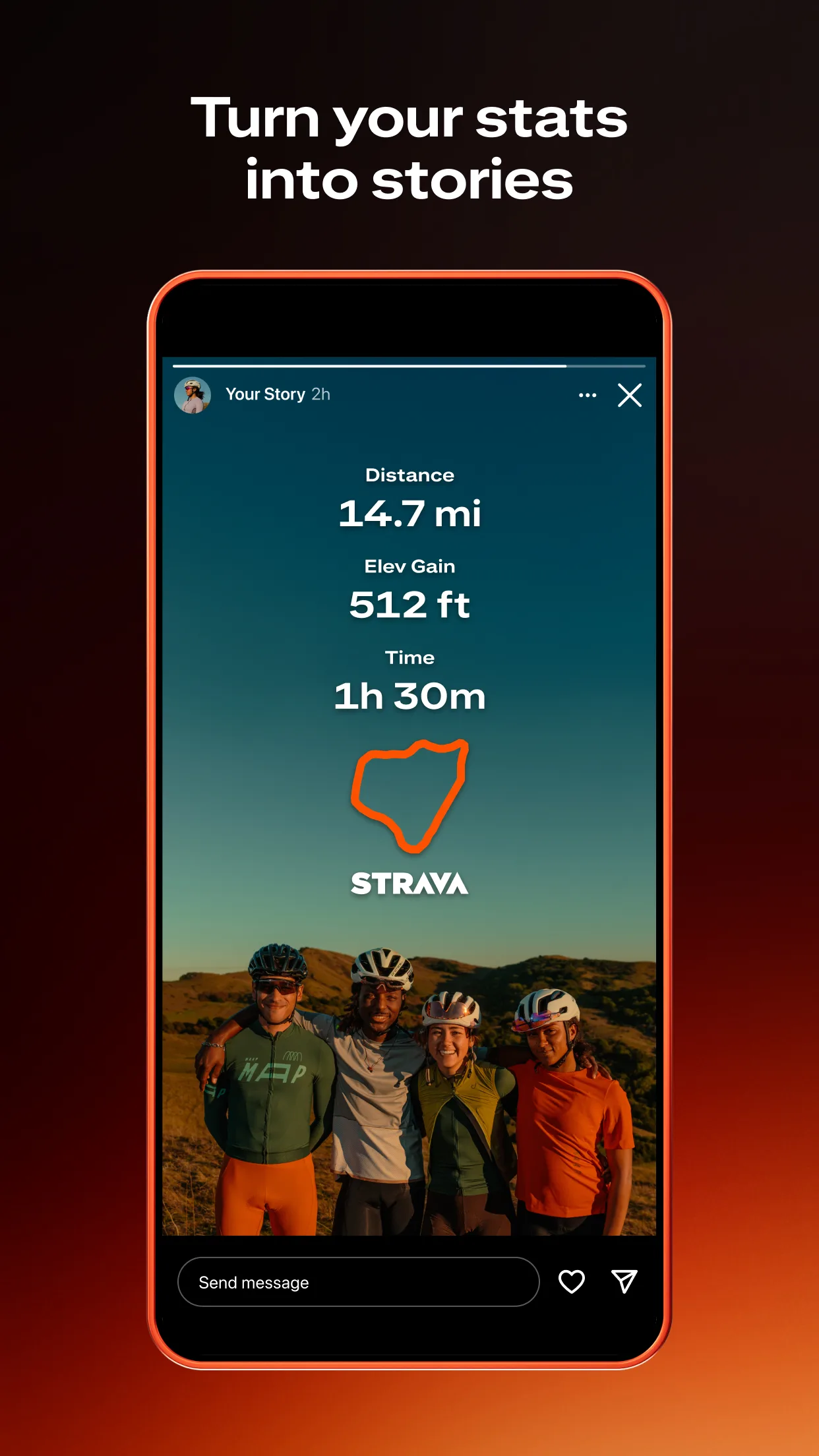
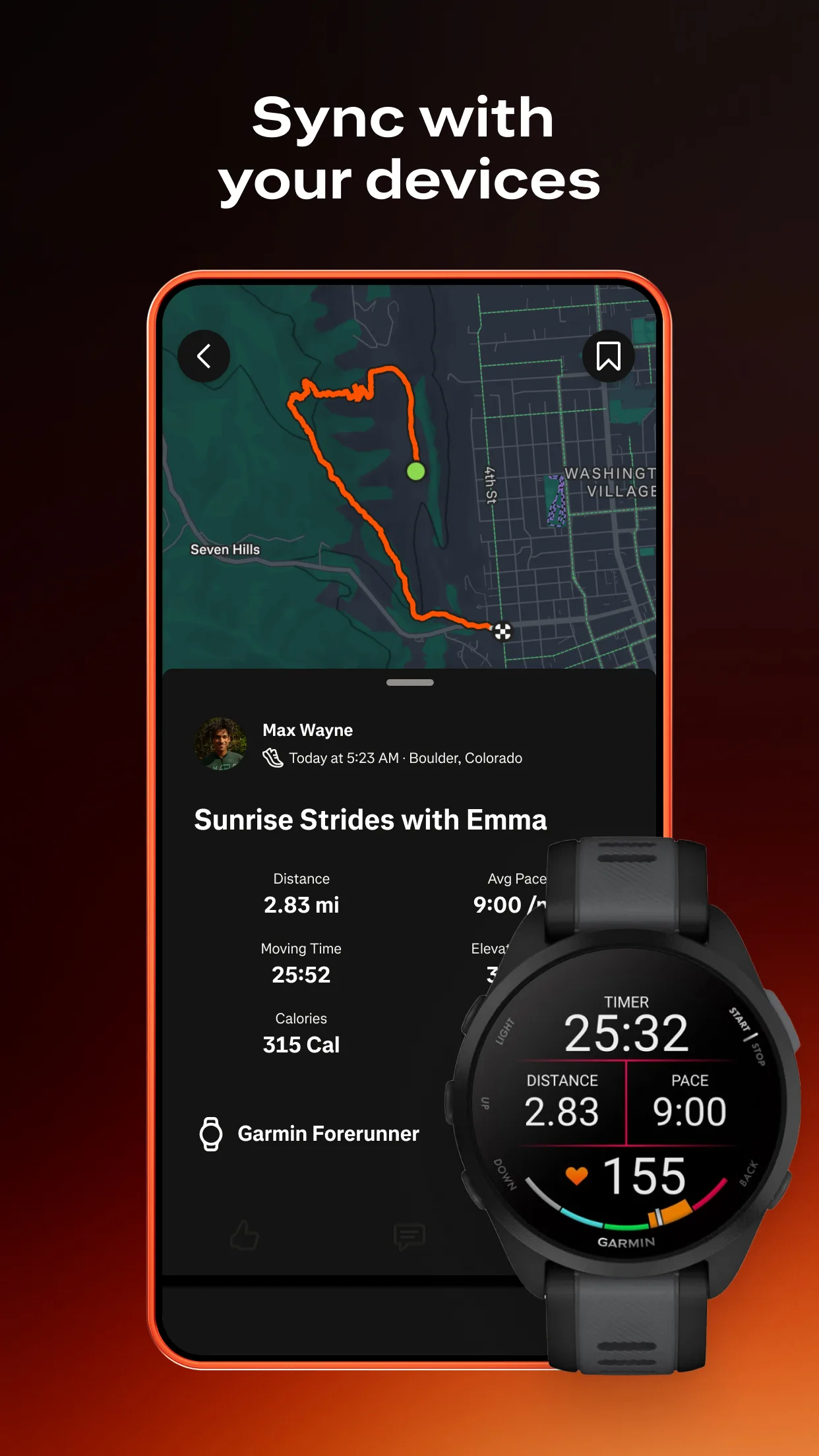
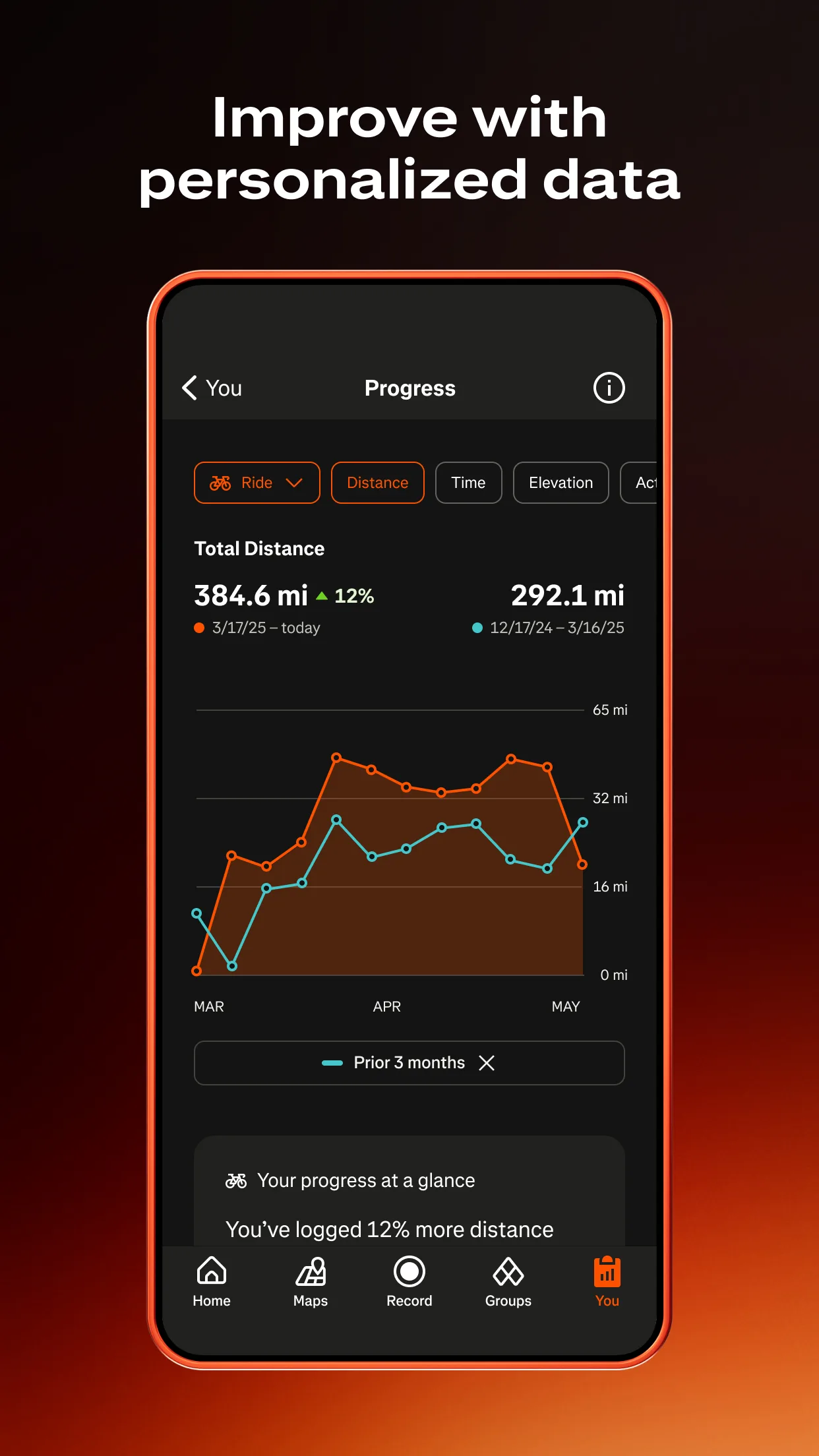
Strava’s dominance in recreational running stems from a network effect that competing platforms cannot easily replicate: nearly every runner in any local running club uses it, which makes joining Strava less a platform choice and more the entry cost for running community participation. The 195 million registered users, 50 million monthly active, and 4 billion activities published in 2025 create a social density that makes Strava segments, local club feeds, and monthly challenges meaningfully competitive in ways that smaller platforms cannot match.
The 2025 acquisition of Runna is the most significant strategic move in running apps in years. Runna’s structured training plans - personalized, adaptable, coaching-quality - will integrate into Strava’s social platform, creating a combination that no competing app currently provides. The integration roadmap as of April 2026 is still developing, but the direction is clear: Strava is building toward being both the social layer and the coaching platform simultaneously.
What Strava does well
- Social infrastructure: 195 million registered users; local triathlon and running clubs accessible without formal membership; kudos, segment leaderboards, and monthly challenges create ambient accountability
- Strava segments: every route segment becomes a personal and global leaderboard; Queen of the Mountain / King of the Mountain competition on any stretch of road or trail any runner has recorded
- Heatmap and route discovery: popular routes visualized by global activity density; practical for finding safe, well-used running routes in any city or when traveling
- Athlete Intelligence: AI-generated activity summaries comparing effort to previous similar workouts; launched 2024-2025, improving with each update
- Free tier covers social features, segments, and club membership - genuinely functional for recreational runners without a Premium subscription
Where Strava falls short
Strava does not generate training plans and does not provide adaptive coaching - it is a social activity log, not a training platform. The Premium tier at $79.99 per year adds filtered leaderboards, advanced training analytics, and route creation tools that matter more to competitive athletes than typical recreational runners. Several 2025-2026 reviews note that the free tier progressively loses features to paywall migration, though the core social functions remain accessible. The Runna acquisition integration is still incomplete as of April 2026; athletes who want Runna’s coaching quality should use Runna’s own app while this integration develops.
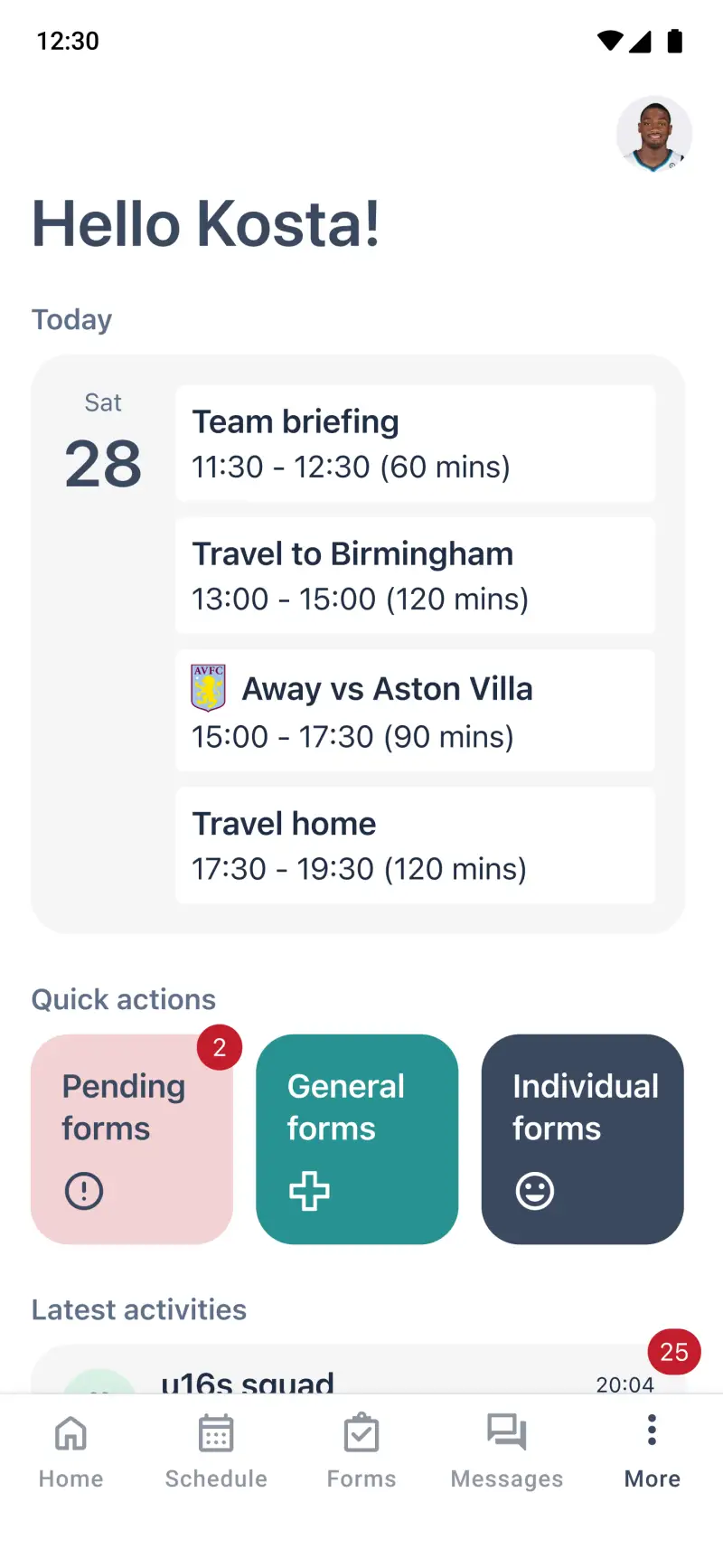
Pricing: Free (social, clubs, basic segments) / $79.99/year Premium
Download Strava free and join 2 to 3 local running clubs before your first training week. Connect your Garmin watch or any other device for automatic activity upload. The free tier covers everything most recreational runners need; evaluate Premium specifically if filtered leaderboards or advanced analytics are relevant to your running goals.
Nike Run Club - Best Free Guided Running Platform
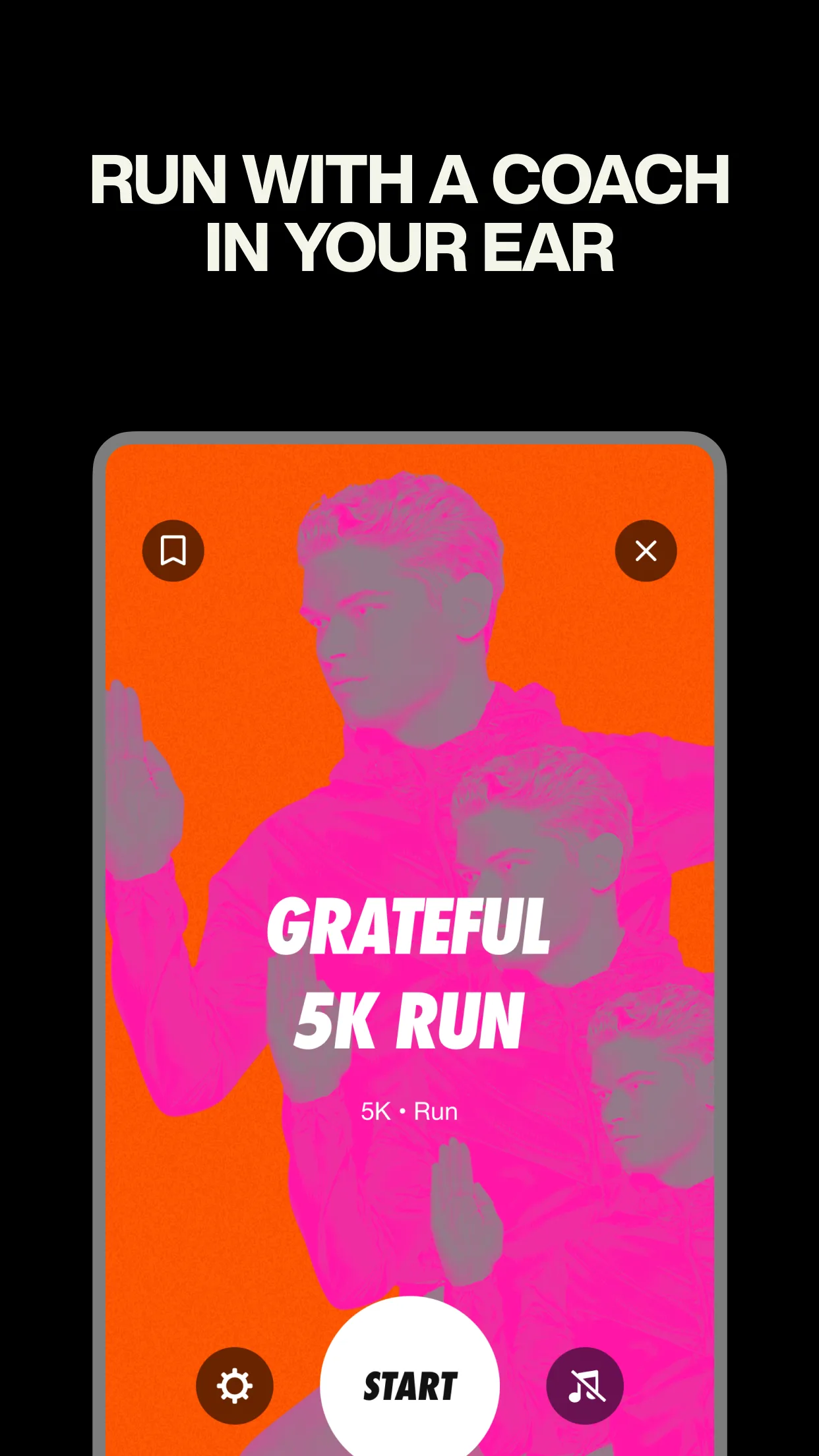
However, Strava provides community around training but does not tell you what to do in each session. Nike Run Club is the most complete free running platform for recreational athletes who want structured guided workouts without paying anything. The Guided Runs feature delivers audio coaching - from Nike coaches, elite athletes, and celebrities - that plays over your music, cueing effort level, form cues, and motivation throughout the session. No setup required: open the app, tap Guided Run, select duration, and start running.
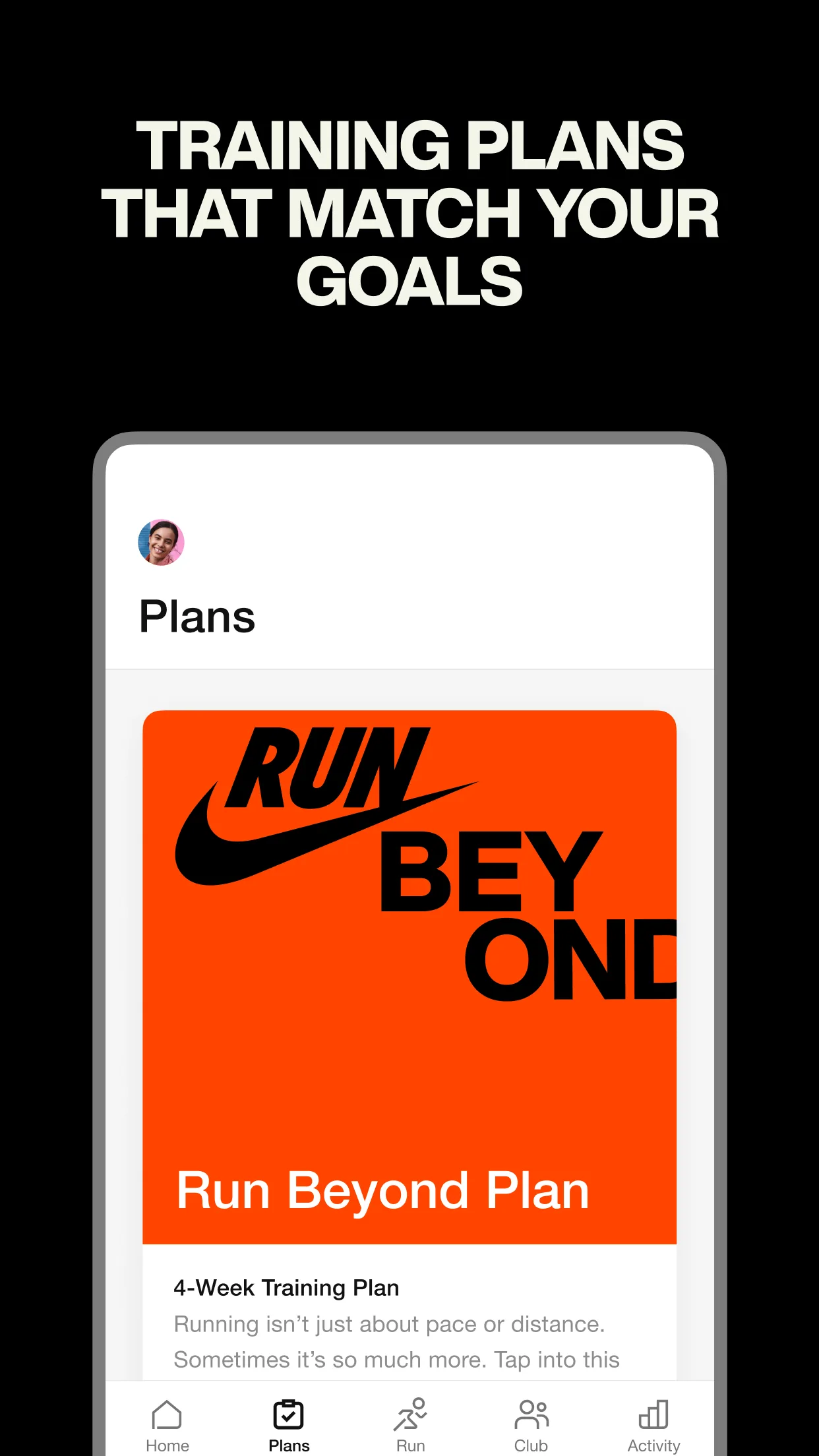
NRC’s training plans cover 5K through marathon distances with adaptive adjustments, available entirely free. The production quality of the audio coaching distinguishes NRC from competing free platforms: the sessions are recorded and produced at a level that makes them genuinely engaging rather than robotic interval timers. “Just Do It” is not marketing copy in NRC - it is literally the product experience.
What Nike Run Club does well
- Completely free: no paywall, no subscription, no trial period expiring; every Guided Run, training plan, and feature is available at zero cost to every user
- Guided Runs audio coaching: professionally produced sessions with Nike coaches and athlete guests; pacing guidance, form cues, and motivational content delivered during the run rather than requiring the athlete to remember the session structure
- Training plans for 5K through marathon: structured plans calibrated to race distance and target time; auto-adjustment when sessions are missed maintains plan integrity across the training block
- Achievement system and run streaks for motivation; social sharing of milestones
- Works with any Android device, no GPS hardware required beyond the phone; Apple Watch fully integrated (Android Wear OS support more limited)
Where Nike Run Club falls short
NRC has no Garmin integration - a significant limitation for recreational runners who own Garmin hardware and want run data flowing into Garmin Connect’s ecosystem alongside NRC’s coaching. Android Wear OS support is less developed than iOS and Apple Watch. Analytics depth is intentionally limited: tempo, distance, and pace are tracked, but VO2max trends, Training Load, and heart rate zone analysis are absent. The social layer is significantly less developed than Strava’s - NRC provides sharing but not the community depth that keeps runners engaged across months. Runners who upgrade from recreational to serious training typically outgrow NRC’s analytics within 6 to 12 months.
Pricing: Completely free
Download Nike Run Club free and explore Guided Runs before committing to a training plan. The app’s value is clearest in the first month - the audio coaching quality typically surprises runners who expect a simple interval timer. Connect Garmin through Strava (Garmin → Strava → NRC) if you want data flowing from Garmin hardware into NRC’s training history.
Runna - Best Structured Plan App for Race Preparation
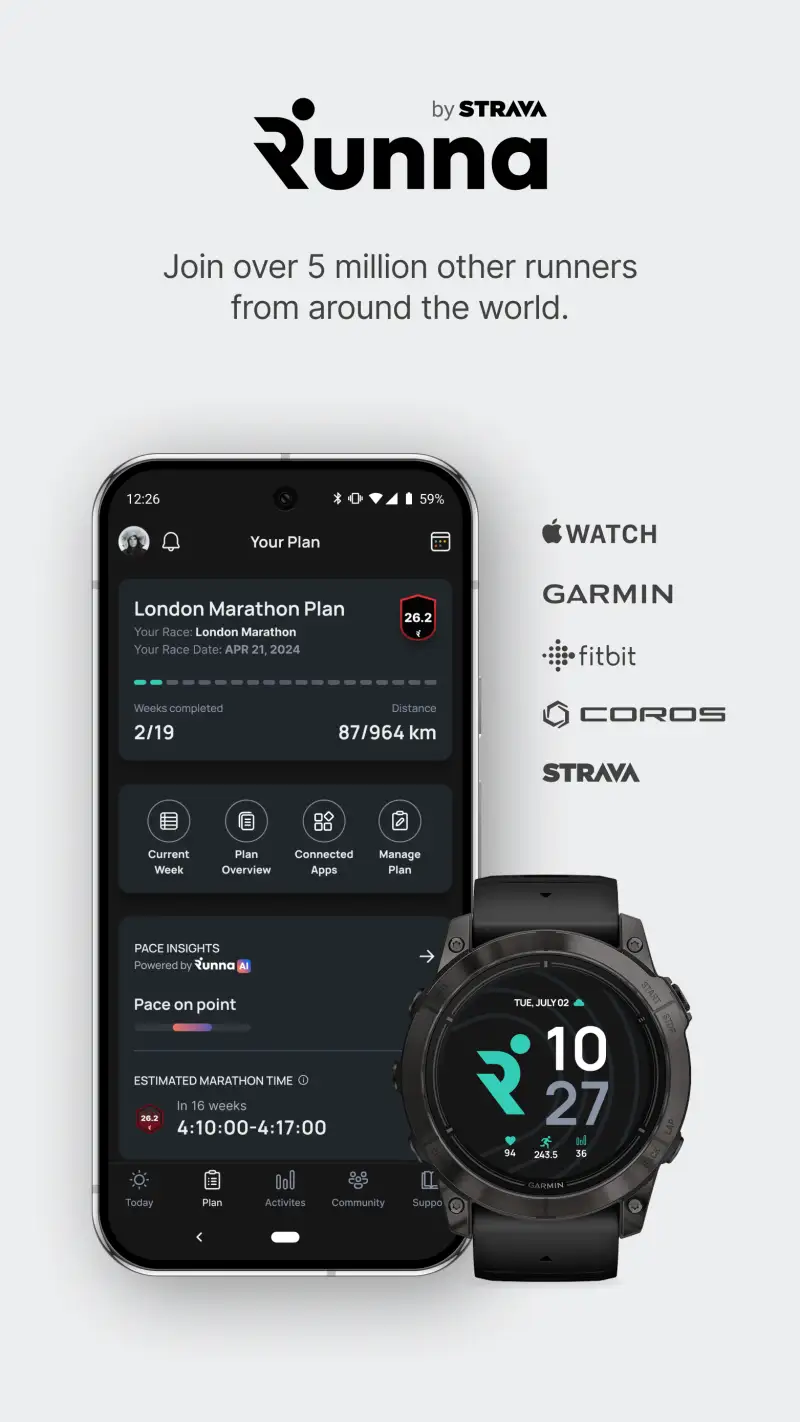
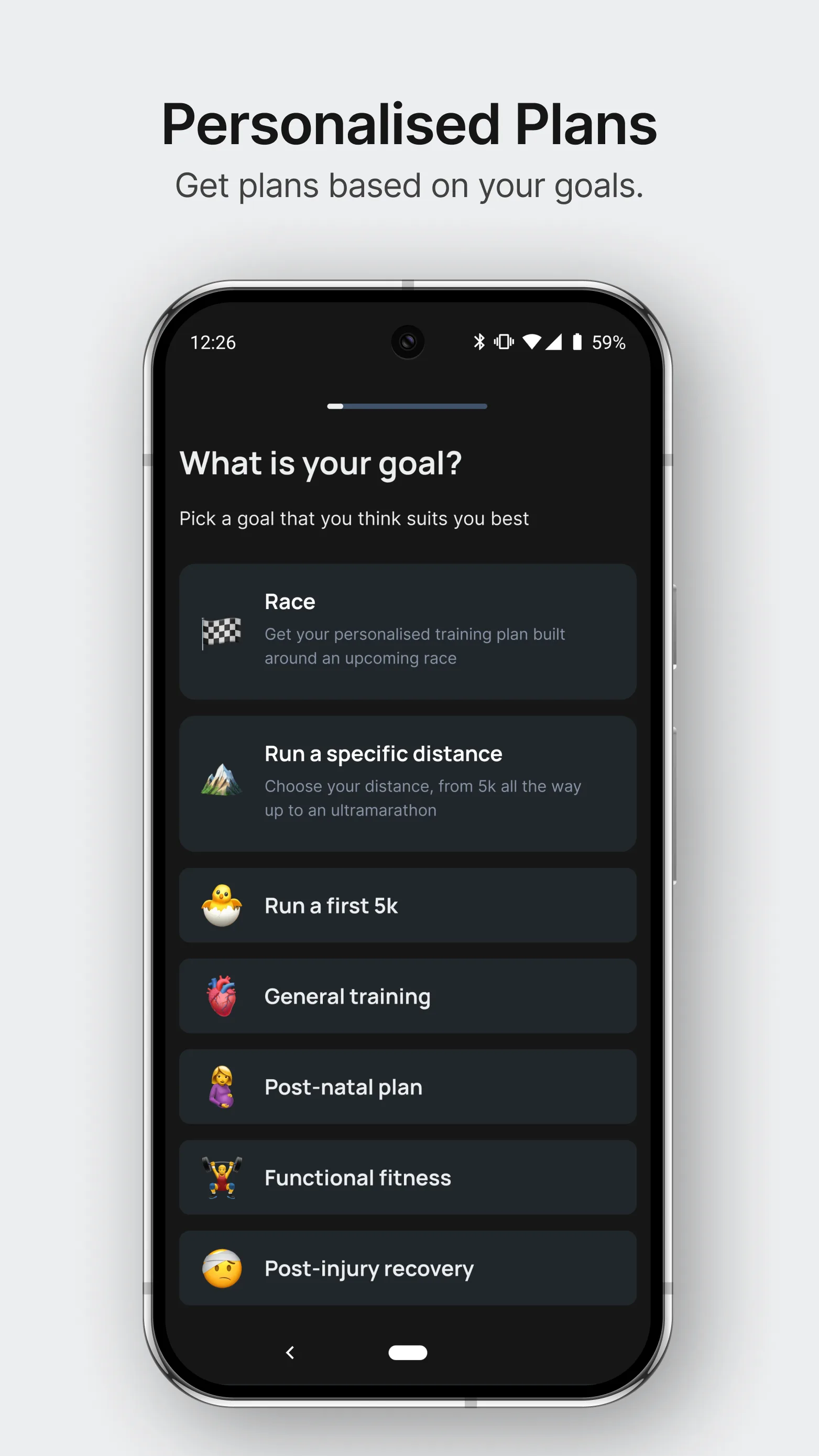
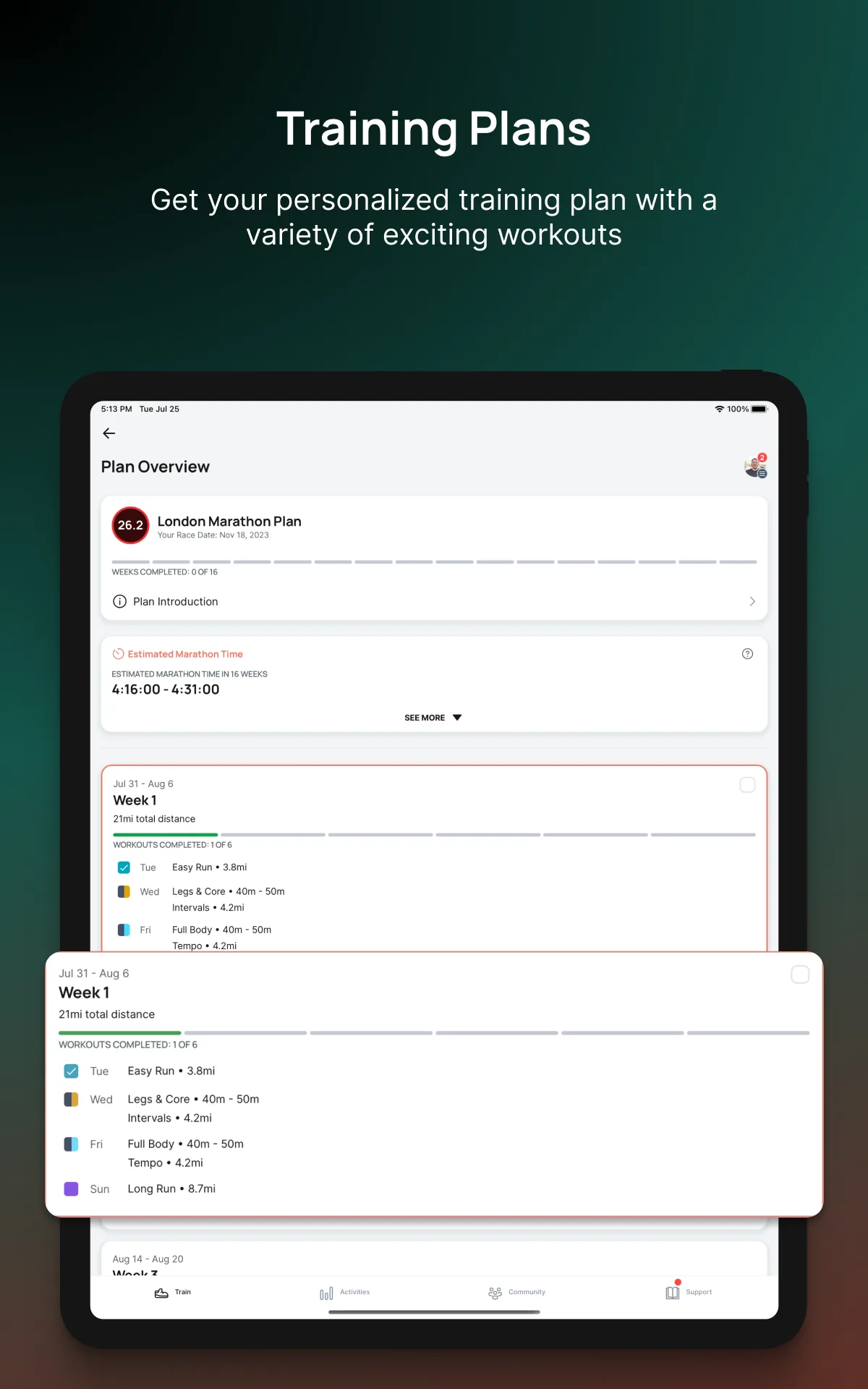
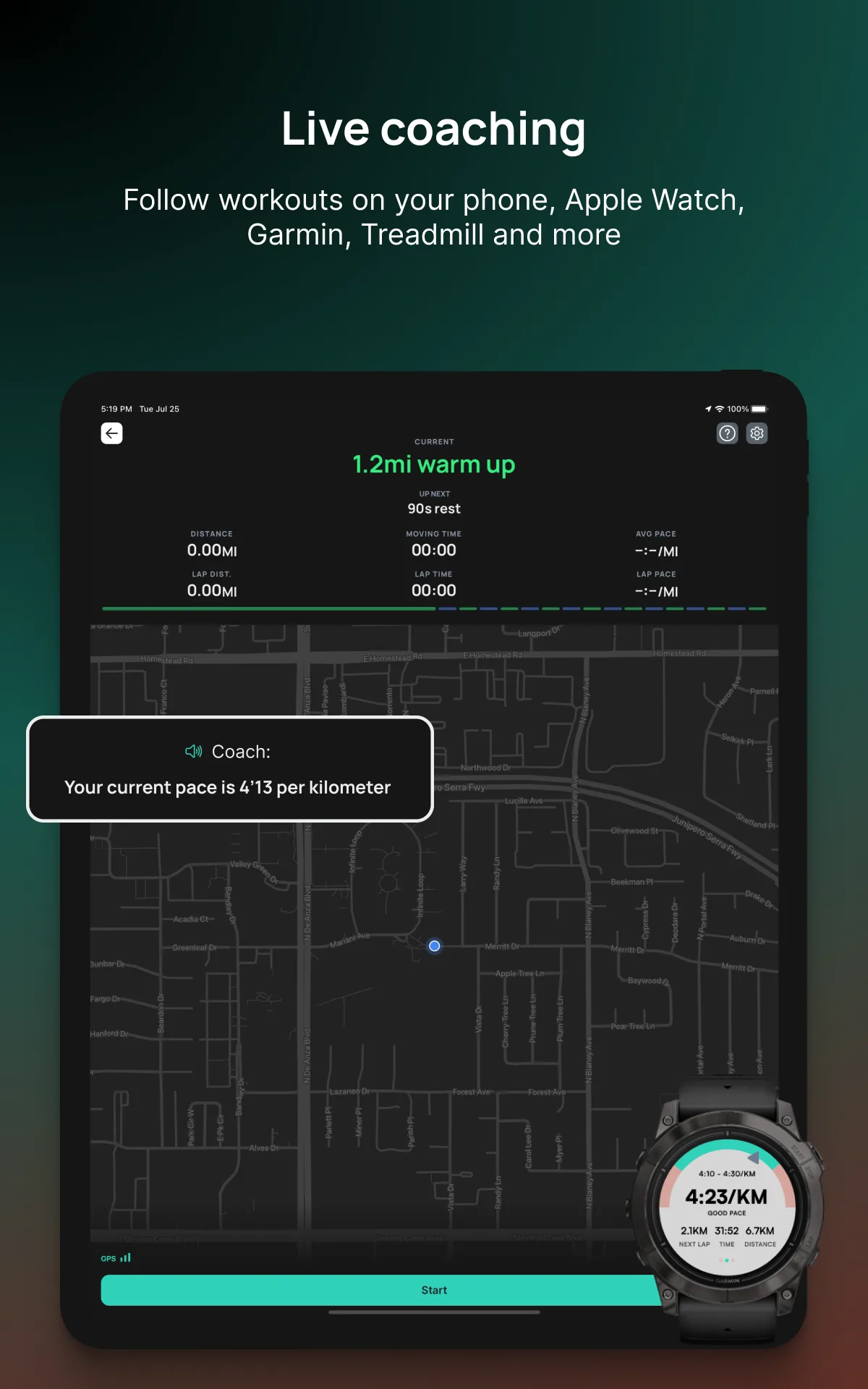
Additionally, neither Strava nor NRC provides the personalized adaptive coaching that recreational runners targeting specific race times benefit from most. Runna generates a training plan calibrated to your current fitness, target race, and available training days on day one - not a generic plan with your name on it, but a session-by-session schedule built from your recent running history and real target. When you miss sessions due to illness or travel, Runna’s algorithm rebuilds the remaining plan to maintain training integrity rather than simply shifting sessions forward.
The 2025 Strava acquisition positioned Runna as the coaching layer of a platform that already has the social infrastructure. Whether this integration improves Runna’s standalone value or dilutes it by tying features to Strava Premium is the community’s ongoing question. As of April 2026, Runna functions as a standalone subscription app with its current feature set intact.
What Runna does well
- Personalized adaptive plans: generated from your current fitness and target race; rebuilds around missed sessions rather than sliding forward; more coaching-quality than generic plan templates
- Interval session targeting: specific pace targets per interval, displayed during the session on the app; athletes execute the correct effort without guessing from generic guidelines
- Race predictor: estimates finish time based on VO2max estimate and recent training data; within 2 to 3 minutes of actual race results for most users
- Garmin, COROS, Suunto, Fitbit, and Apple Watch integration; automatically imports training history to calibrate plan
- Plans for 5K through ultramarathon; genuinely competitive coaching quality at the half-marathon and marathon distances
Where Runna falls short
At approximately $79.99 per year, Runna costs as much as Strava Premium - and most recreational runners will use both, making the combined cost $160 per year before considering Garmin Connect+ or other subscriptions. The free tier is nearly nonfunctional: the app generates the plan but restricts following it without a subscription, which makes the trial feel deceptive. Some community reviews note that Runna’s AI pacing recommendations are occasionally aggressive for slower recreational runners, prescribing workouts at target marathon pace before the underlying fitness base supports those targets.
Pricing: ~$19.99/month or ~$79.99/year / short free trial
Subscribe to Runna when you are preparing for a specific race with a defined time goal and want adaptive coaching that adjusts to your actual progression rather than a static plan. Connect your Garmin or COROS watch during setup to import recent activity history before the plan is generated - the quality of calibration depends on having real recent data.
Runkeeper - Best Free Training Log With Light Coaching
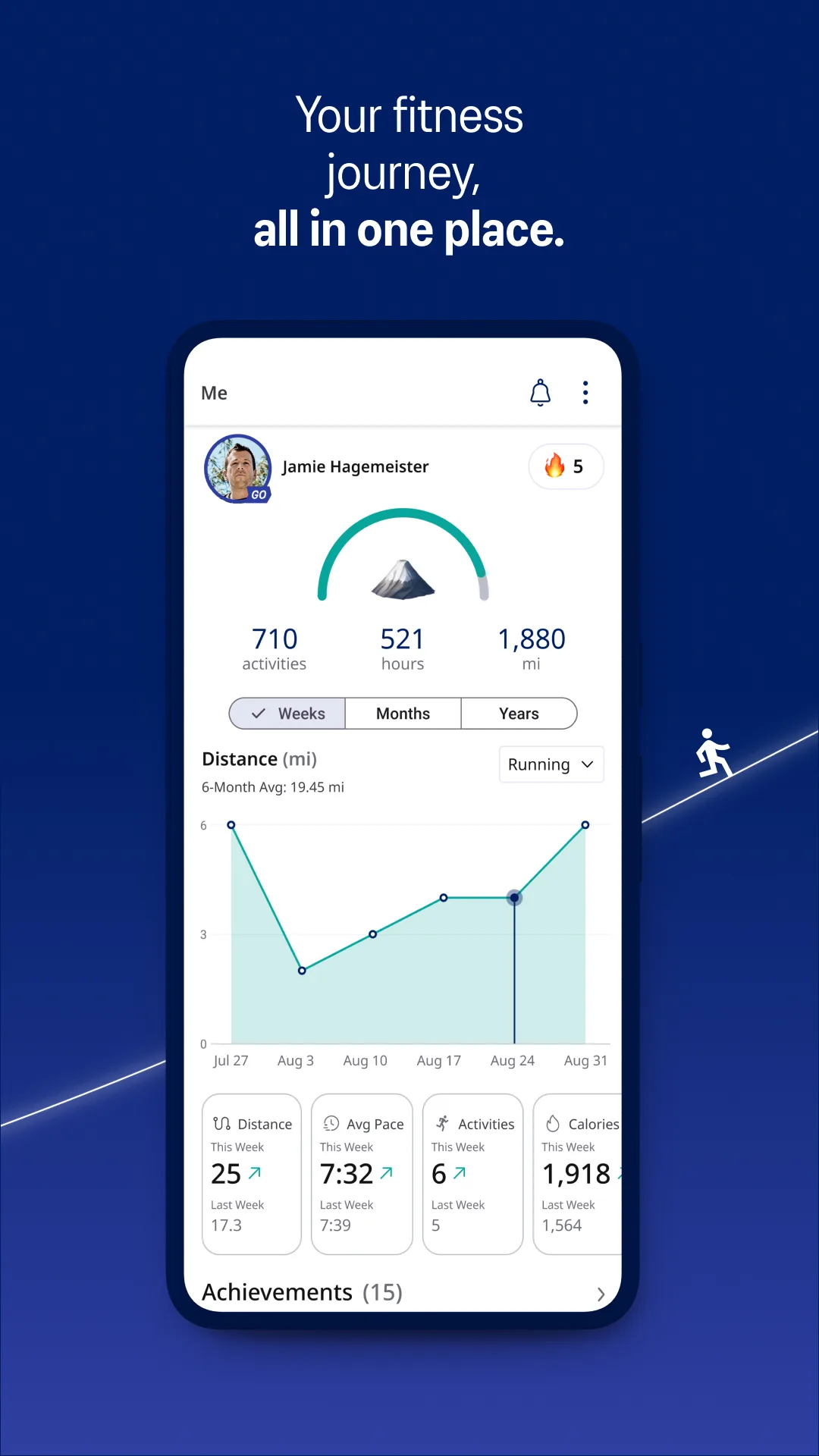
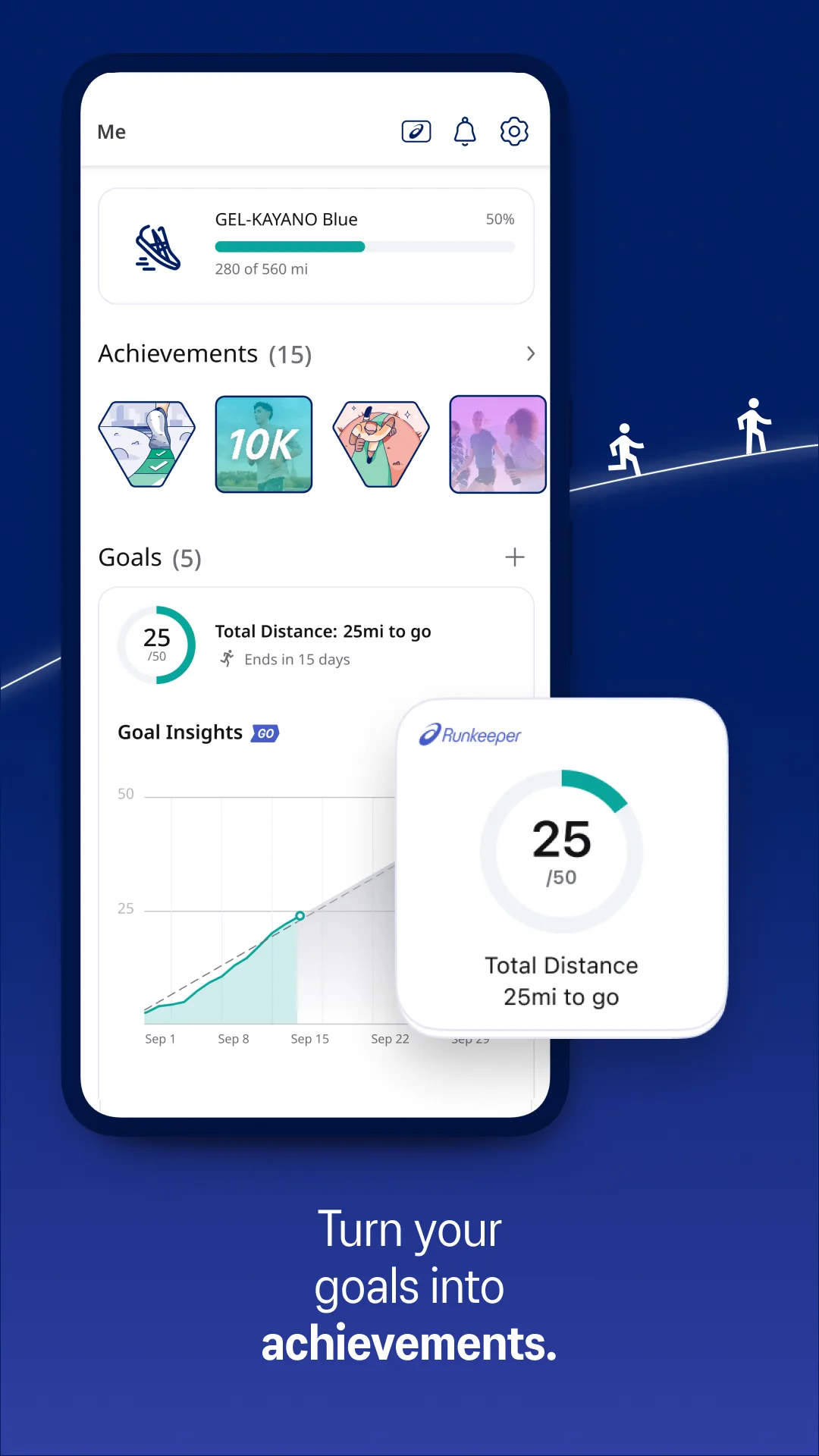
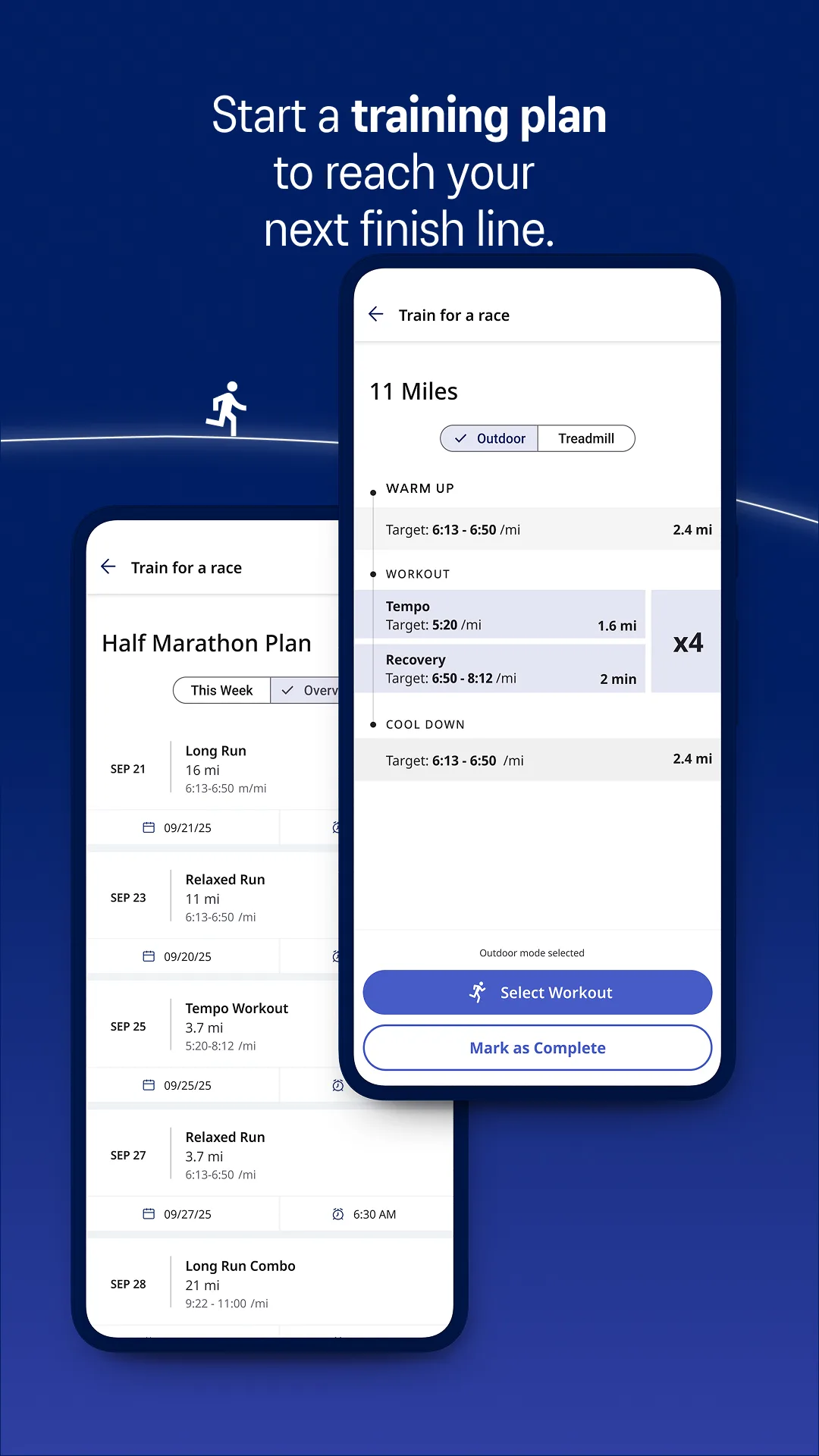
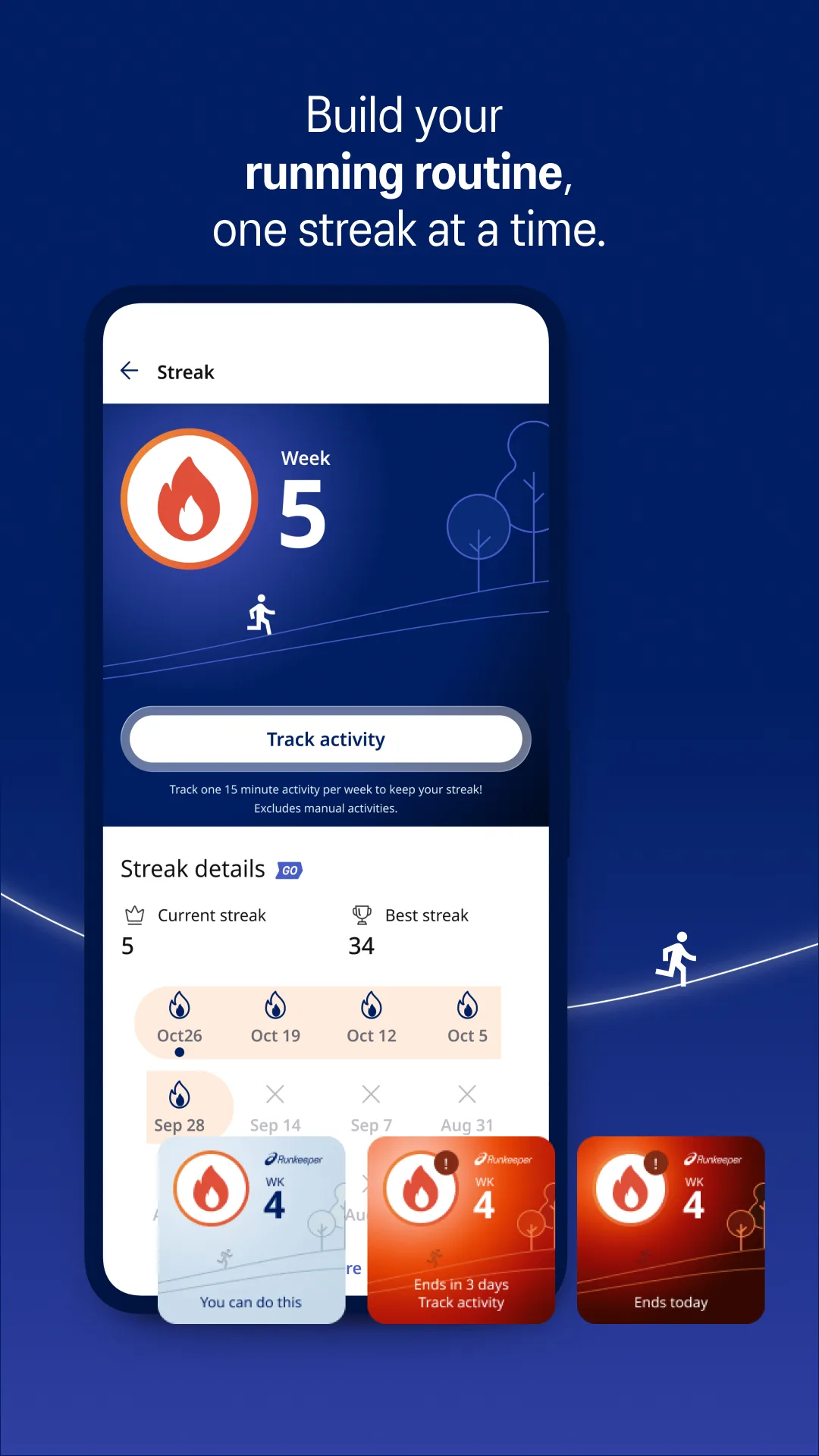
Unlike the platforms above, Runkeeper (owned by ASICS since 2016) takes a more measured approach: it is a solid GPS running tracker with light training plan support, shoe mileage tracking, and a clean interface that gets out of the way of the actual running. The free tier covers everything most recreational runners need for basic tracking and history review without requiring a subscription decision.
The ASICS integration provides a unique shoe-tracking feature: log which shoes you wore for each run, and Runkeeper tracks total mileage per shoe pair, alerting when the 500 to 800 km replacement threshold approaches. For recreational runners who wear out 2 to 3 pairs of running shoes per year, this is genuinely useful information that Strava does not provide natively.
What Runkeeper does well
- Free GPS tracking with strong history view: complete running history visible on the main screen without Premium; weekly mileage, pace trends, and personal bests clearly displayed
- Shoe mileage tracking: per-shoe kilometer tracking via the ASICS integration; practical for recreational runners who go through shoes regularly without tracking when they were purchased
- Light training plans: 5K through half-marathon plans included free; less adaptive than Runna but sufficient for first-time race preparation with moderate goals
- Auto-upload from Garmin and Apple Watch; Strava sync for activity sharing
Where Runkeeper falls short
The social layer is significantly weaker than Strava. Analytics depth is basic by the standards of the serious runner segment - no VO2max, no heart rate zone analysis, no adaptive plan rebuilding. The Premium tier at $39.99 per year adds features that Strava Premium provides with a larger community at twice the price, making Runkeeper Premium difficult to justify alongside a Strava subscription. Several 2025 reviews note the interface has not evolved significantly in recent years.
Pricing: Free (full tracking history) / $9.99/month or $39.99/year Premium
Download Runkeeper free if you want a clean GPS tracker with shoe tracking and light plan support without paying. Use it alongside Strava free for the community layer - the two work better together than either does alone.
Which App Fits Your Recreational Running Setup
| App | Price | Best For | Training Plans | Social Layer |
|---|---|---|---|---|
| Strava | Free / $79.99/yr | Community, accountability | No (yet) | Excellent |
| Nike Run Club | Free | Guided audio coaching | Yes (free) | Moderate |
| Runna | ~$79.99/yr | Adaptive race-specific plans | Yes (premium) | Basic |
| Runkeeper | Free / $39.99/yr | GPS tracking + shoe log | Light (free) | Limited |
First 10K or half-marathon, budget is zero
Download Nike Run Club free for the training plan and Strava free for community accountability. Connect them so NRC workouts appear in your Strava feed. This covers guided coaching and social accountability at zero cost for your entire first race preparation cycle.
Training for a half-marathon with a specific time goal
Subscribe to Runna at $79.99/year. Connect your Garmin or COROS watch during setup. Download Strava free alongside it for the social community layer. This combination provides adaptive coaching precision and community accountability - the two things most recreational runners need for a meaningful race result.
Already use Strava and want to add coaching
Runna is the most compatible choice since Strava acquired it in 2025. The integration will deepen over time; subscribing to Runna now provides the coaching quality while using Strava’s existing community infrastructure simultaneously.
Consistent recreational runner who wants basic tracking only
Download Runkeeper free for GPS tracking and shoe mileage. Add Strava free for community. Skip training plan subscriptions until preparing for a specific race with a defined time goal - the plan investment pays off most when you have a concrete target.