Swimming is where most triathletes lose the most time relative to their potential - not because they lack fitness, but because they lack structured coaching and real-time stroke feedback. A runner who becomes a triathlete typically has reasonable swim technique for survival but not for efficiency; gaining 3 to 4 minutes on a 1.2-mile 70.3 swim comes more from stroke mechanics than from additional volume. Garmin’s swim tracking built into Garmin watches provides the data backbone for triathletes already in the Garmin ecosystem. FORM’s smart goggles solve a problem that every other platform ignores: displaying real-time pace, stroke rate, and distance directly in the swimmer’s field of view without pausing to check a wrist display mid-set.

After testing 5 swim tracking and coaching apps on Pixel 8 and Samsung Galaxy S24 running Android 15, specifically in triathlon swimming contexts in 2025-2026, I found two platforms that serve triathletes’ swim training across pool sessions, open water, and technique development.
Who this is for: Triathletes who want to improve their swim leg specifically - whether through structured pool coaching, open water GPS tracking, or real-time feedback during sessions. If you need a complete multi-sport triathlon platform, the self-coached guide covers TrainingPeaks and TriDot. If you work with a coach, see the coached athletes guide.



What Triathlon Swimmers Need From an App
Pool swimming creates three data and coaching requirements that running and cycling apps - and even general triathlon platforms - address only partially.
Structured Pool Workouts That Adapt to Swim Fitness
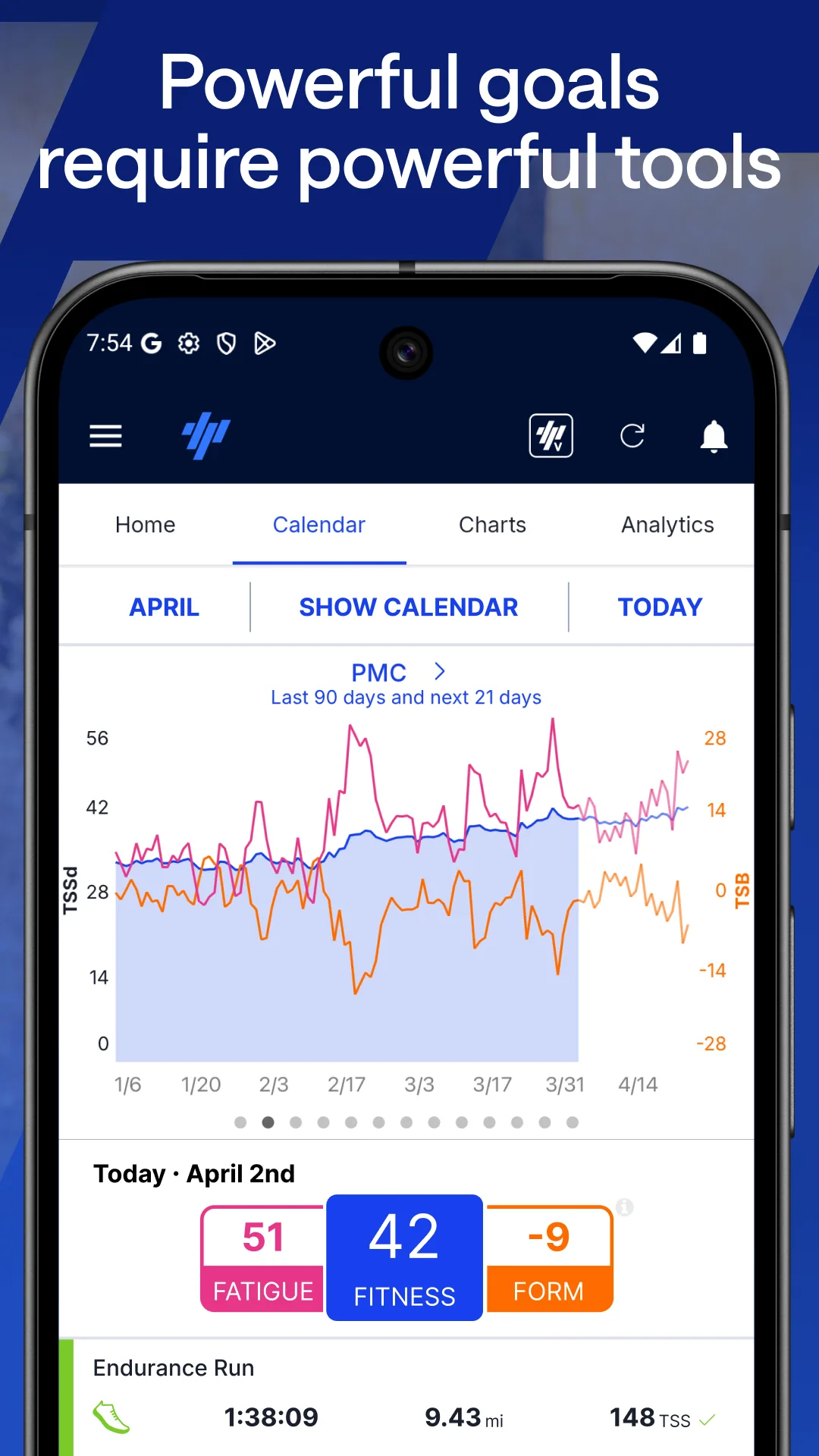
A triathlete with a 1:35 per 100m threshold pace trains fundamentally differently than one at 1:55 per 100m. Static plan PDFs prescribe the same interval structure regardless of pace, which means some athletes are working above threshold while others are barely stressed. Triathletes who follow a fixed-interval plan from a general running app and add swim yardage alongside it typically stagnate at their current efficiency rather than improving systematically. Garmin’s CSS protocol provides a measured threshold pace that triathletes can use to self-calibrate interval targets across coach-prescribed or self-designed sessions.
Open Water GPS Tracking for Race-Specific Preparation
Pool meters and open water kilometers are not the same training stimulus. Sighting, drafting, navigation without a lane rope, and the physiological difference between pool water and open water conditions all require specific preparation. GPS tracking for open water sessions - distance, pace, stroke rate, visual map of the swim path - provides the data layer that allows triathletes to understand their open water efficiency relative to pool benchmarks. Several apps provide this via paired GPS watches; the quality varies significantly in practice.
Real-Time Feedback Without Breaking Stroke Rhythm
The fundamental limitation of wrist-based swim tracking is that checking it breaks the stroke rhythm. An athlete mid-set who wants to know their current pace must stop, turn the wrist over, read the display, and resume - a workflow that disrupts the interval. FORM’s optical display solves this by projecting pace, stroke count, and distance directly onto the goggle lens, visible in peripheral vision without stopping or turning away from the swim direction. The efficiency gain for interval training is meaningful, though FORM requires the hardware investment rather than being a smartphone app.
Garmin Swim Tracking - Best for Garmin Ecosystem Athletes
Most triathletes already own Garmin hardware - the Forerunner 945, 965, or 265; the Fenix 7; the Swim 2 - and the swim tracking built into these watches provides a substantial data layer at zero additional cost. Garmin Connect’s swim metrics include SWOLF, stroke rate, stroke type detection, distance per stroke, and heart rate from optical sensors, all synchronized automatically to Garmin Connect after each pool session. For triathletes who want swim data flowing into their training load picture without adding another subscription, Garmin’s built-in capability is often sufficient.
The Garmin Swim 2 watch specifically is designed for pool swimming, with a dedicated pool swim mode, open water swim mode, and optical heart rate monitoring optimized for water contact. Triathletes using a Garmin multisport watch can record a swim, T1, bike, T2, and run in a single activity - the workflow that makes Garmin watches standard equipment in the sport rather than a preference.
What Garmin swim tracking does well
- Zero additional cost for Garmin hardware users: all swim metrics - SWOLF, stroke count, stroke type, distance, pace - included free with every Garmin watch supporting swim mode
- Automatic TrainingPeaks and Strava sync: swim sessions flow to all connected platforms without manual upload; the data relay that makes Garmin Connect the backbone of most triathlete stacks
- Open water swim mode: GPS-based distance and pace tracking for lake, river, and coastal swimming; available on Forerunner 945/965, Fenix series, and dedicated swim watches
- Multisport mode records swim + T1 + bike + T2 + run in a single activity with automatic discipline detection
- HRV Status and Training Readiness integrate swim load into overall recovery picture without separate app management
Where Garmin swim tracking falls short
Garmin’s swim data platform provides metrics but not coaching. The data tells you how fast you swam and how many strokes you took; it does not generate structured workouts, prescribe interval targets, or provide technique instruction. Triathletes who want to improve swim mechanics rather than simply track swim volume will find Garmin Connect alone insufficient. The Connect+ tier ($6.99/mo or $69.99/yr) launched March 2025 added AI-based insights for future development, but the March 2025 launch coverage from DC Rainmaker noted that substantive AI coaching features remain on the roadmap rather than delivered. The Garmin Swim 2 ($249.99) is a dedicated swim watch, appropriate for athletes who want optimized swim tracking without wearing their primary multisport watch in the pool.
Pricing: Free with Garmin hardware / $6.99/month or $69.99/year Connect+
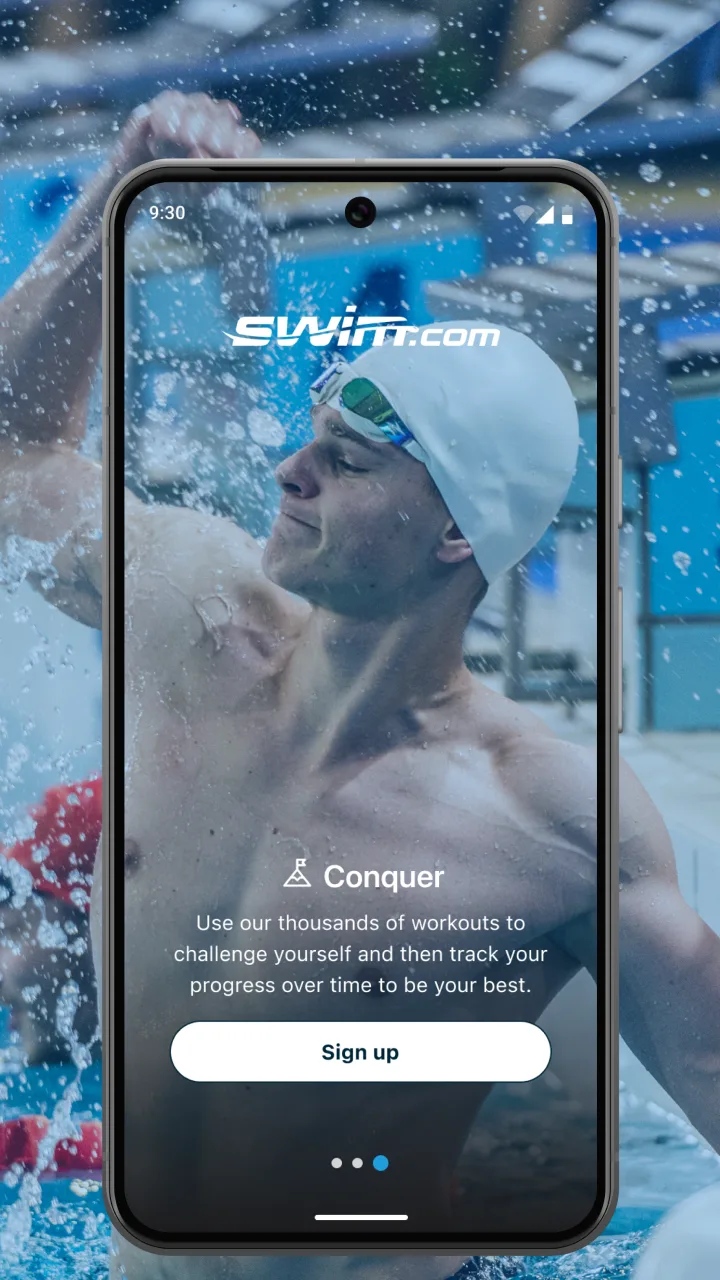
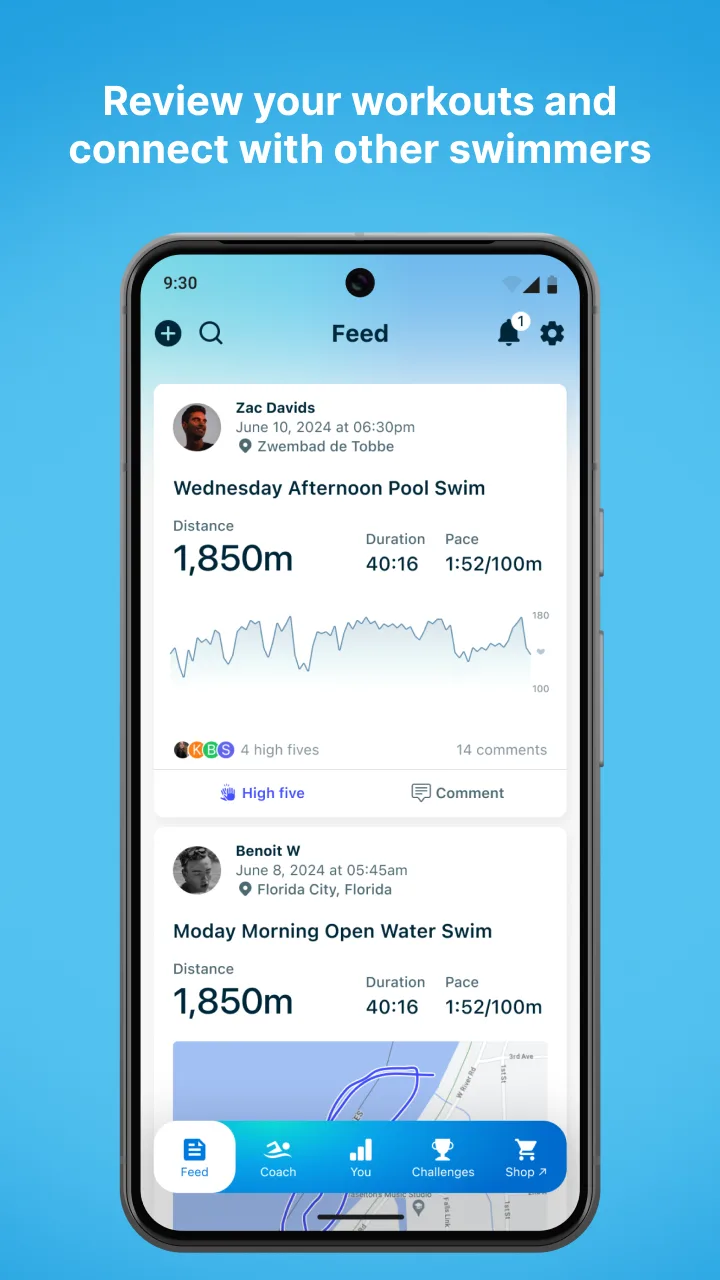
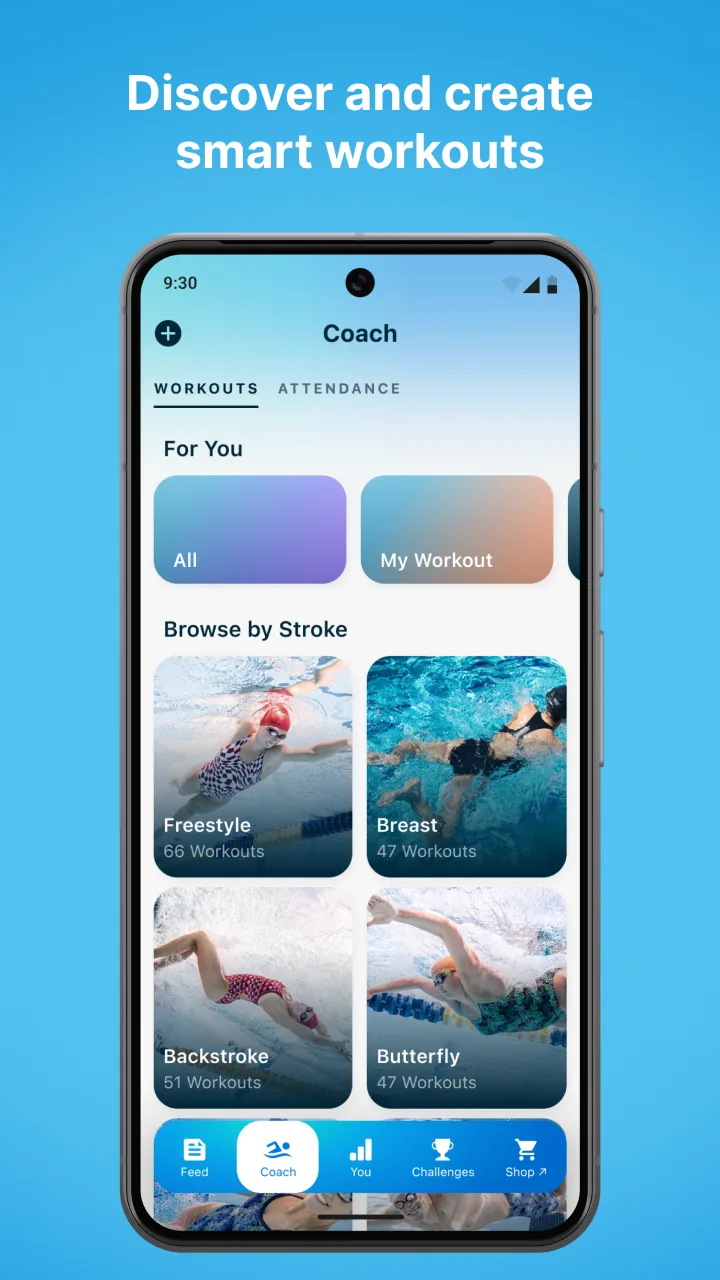
Activate Garmin Connect swim tracking immediately if you own any compatible Garmin device. Connect it to TrainingPeaks to ensure swim TSS flows into your Performance Management Chart. Add Swim.com free for workout variety on sessions without coach-prescribed sets - Garmin captures the tracking data regardless of where the workout content comes from.
FORM Smart Goggles - Best for Real-Time In-Session Feedback
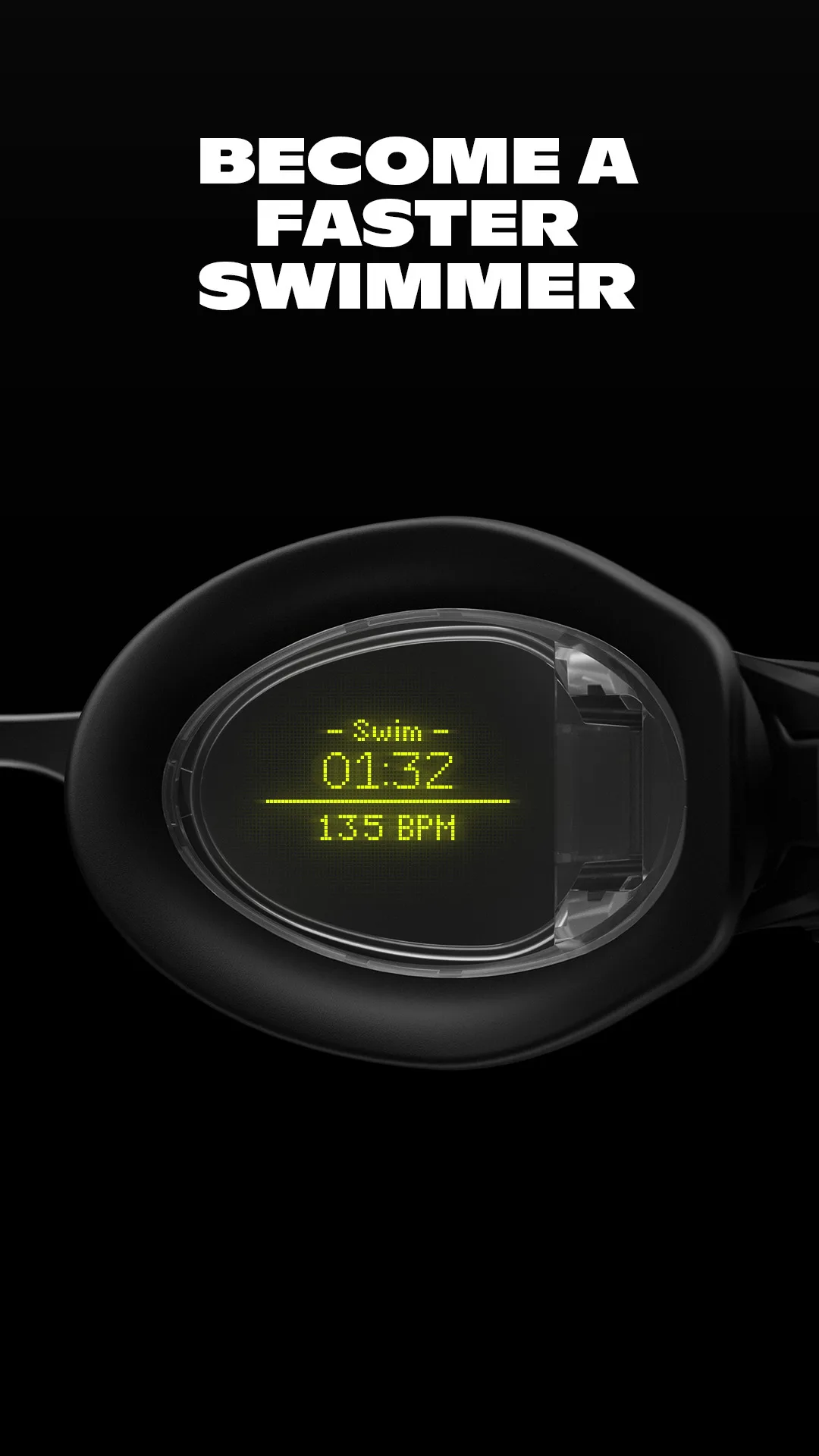
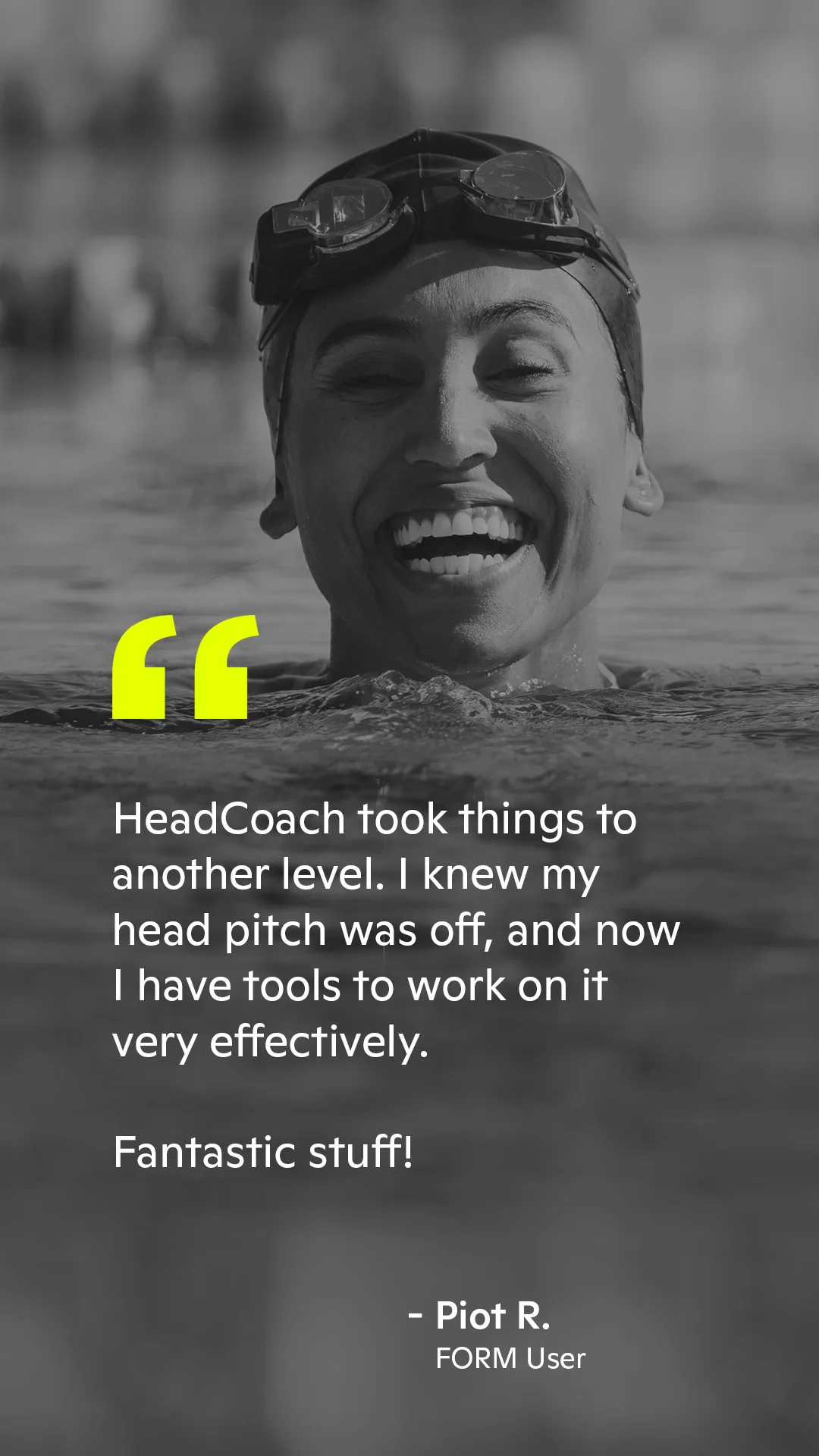
Additionally, Garmin does not solve the fundamental problem of checking swim data mid-set. FORM’s smart goggles project real-time metrics - current pace, lap count, distance, stroke rate, and heart rate via compatible heart rate monitor - directly onto the goggle lens using a heads-up display visible in the swimmer’s peripheral vision. The data appears without stopping, without turning the wrist, and without breaking stroke rhythm. For interval training where pace-per-interval feedback matters, the FORM display provides information at the moment it is useful rather than after the set is complete.
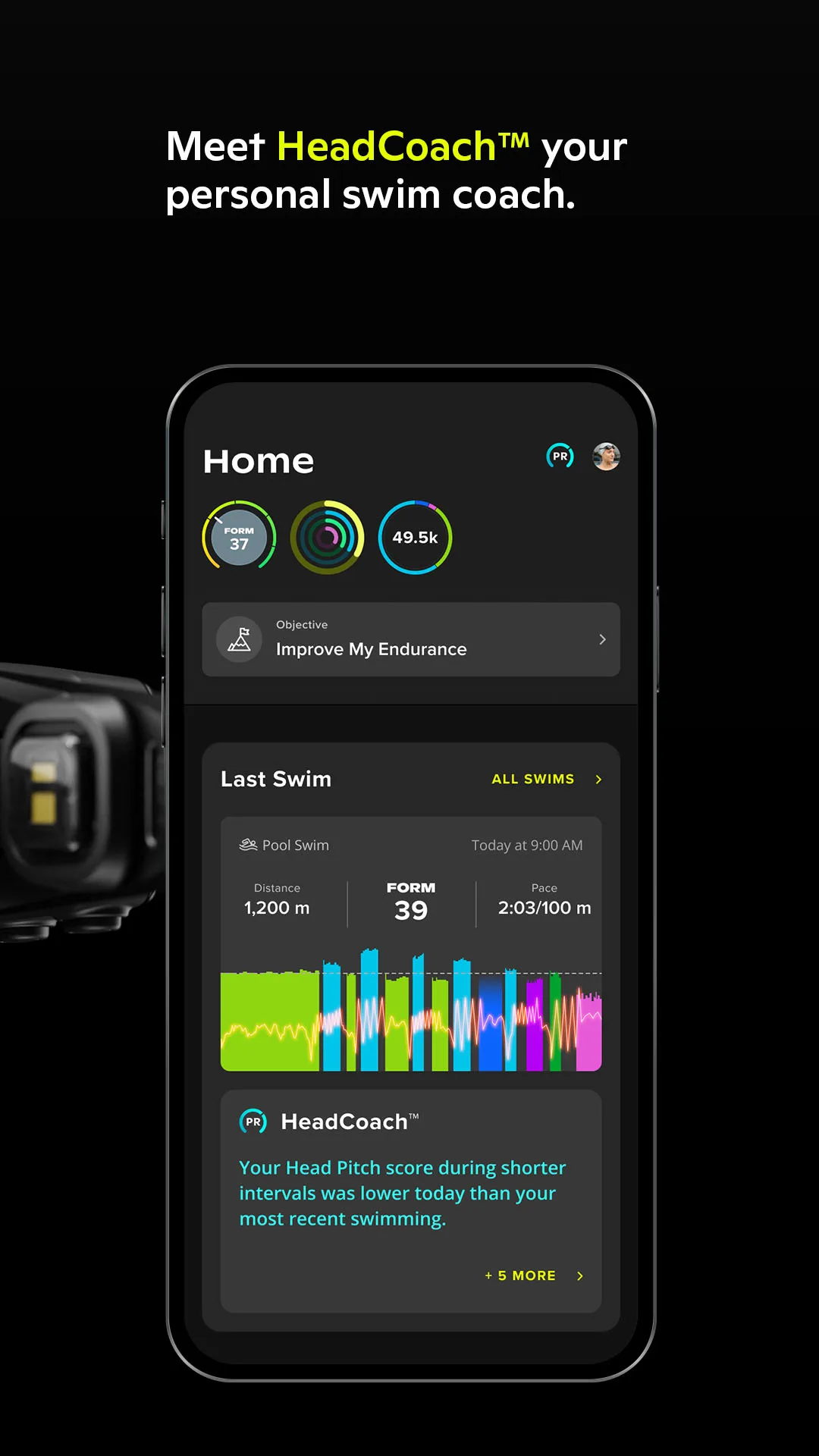
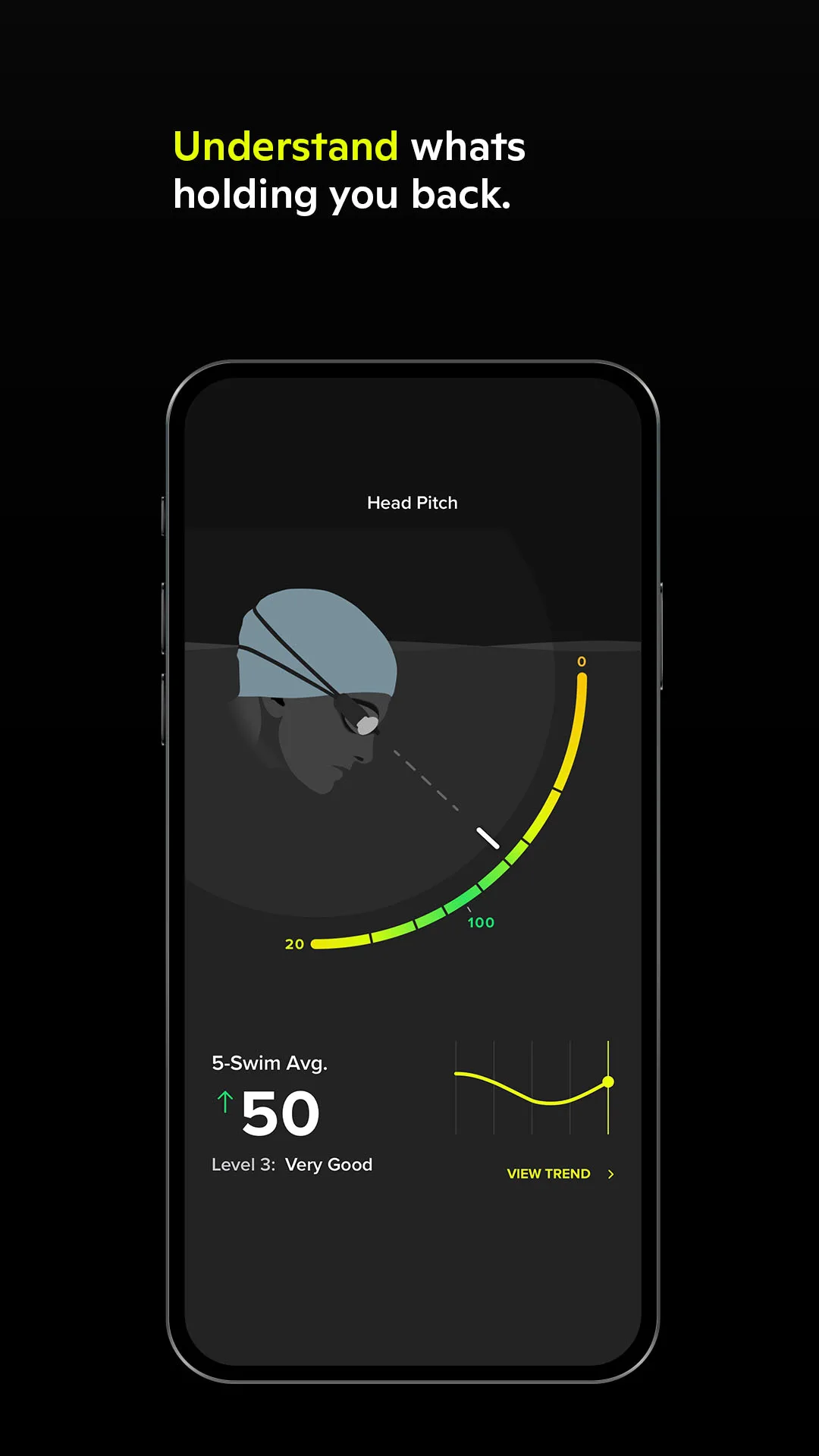
The FORM Goggles 2 integrate with the FORM app (Android and iOS) for post-swim analysis, training plans, guided audio workouts delivered through bone conduction during the swim, and coach connectivity for remote coaching relationships. The hardware investment at $229.99 is significant, but athletes who train 4+ times per week in the pool typically find the real-time feedback accelerates technique improvement more effectively than post-swim review alone.
What FORM Smart Goggles does well
- Real-time HUD display: pace, distance, stroke count, and heart rate projected onto the goggle lens in peripheral vision; the feedback mechanism that wrist-based tracking cannot provide mid-set
- Guided audio workouts: coaching instructions delivered via bone conduction during the swim; athletes follow interval targets without memorizing the session before entering the water
- Open water mode: GPS-based open water tracking integrated with the goggle hardware; real-time pace feedback during race-pace open water sessions
- FORM app post-swim analysis: stroke efficiency, pace progression, interval execution reviewed after each session
- Coach platform for remote swim coaching: coaches prescribe workouts through FORM and review execution data after sessions
Where FORM Smart Goggles falls short
FORM requires a hardware purchase ($229.99 for the goggles) before any of its advantages are accessible - it is not a software-only solution. Goggle fit varies between athletes, and the optical display clarity depends on prescription lens compatibility and viewing angle adjustment. The bone conduction audio, while functional, is reported by some swimmers as less clear in noisy pool environments with lane-sharing. The FORM app provides swim coaching but is not a full triathlon platform; FORM integrates with Garmin Connect and TrainingPeaks for the full training load picture.
Pricing: $229.99 hardware / FORM app and swim plans included / service subscription optional for advanced coach features
Consider FORM when you swim 4 or more sessions per week and interval pace feedback is the specific gap in your swim training. For most recreational triathletes who swim 2 to 3 times weekly, Garmin’s built-in swim tracking at zero additional cost provides sufficient data for structured self-coaching. FORM makes most sense for athletes who have exhausted the gains available from structured volume and need technique-level real-time feedback to continue improving.
Which App Fits Your Triathlon Swimming Setup
| App | Price | Best For | Open Water | Real-Time Feedback |
|---|---|---|---|---|
| Garmin Swim Tracking | Free (hardware) | Data backbone | Yes (built-in) | Post-session |
| FORM Smart Goggles | $229.99 hardware | Real-time in-session | Yes | Yes (HUD display) |
Swimming is your primary weakness, you need structured coaching
Activate Garmin CSS and run the threshold test protocol to calibrate your training zones. Connect Garmin to TrainingPeaks for swim data integration. Pair with Swim.com free for workout variety on self-coached sessions. This stack covers data capture, threshold measurement, and workout variety without added subscription cost.
You own Garmin hardware and want swim data without extra cost
Activate Garmin swim tracking immediately. Connect Garmin Connect to TrainingPeaks so swim sessions flow into the PMC automatically. Add Swim.com free if you want structured workouts alongside the Garmin data layer - it complements rather than replaces Garmin tracking.
You swim 4+ sessions per week and want real-time pace feedback
Evaluate FORM Smart Goggles at $229.99. The hardware investment is significant but the real-time HUD feedback during interval sets accelerates pace calibration more effectively than post-swim review. Pair with Garmin Connect for multisport data integration.
Budget: improve swim performance at minimum cost
Use Garmin’s built-in swim tracking (free with any compatible device) and find free swim workout builders through USA Swimming or IRONMAN’s coach network, or browse the free workout library on Swim.com. The Garmin swim data provides enough information to self-coach basic interval structure using CSS-calibrated zones as a reference.