Recreational cyclists outgrow basic tracking apps faster than most realize. Logging 50-150 km per week with a gran fondo on the calendar creates specific needs that neither a GPS tracker nor a beginner guide addresses: real-time segment competition, Zone 2 heart rate visibility during the ride, surface-aware routing for mixed-terrain event preparation, and a bike computer setup that syncs cleanly with all the above. After testing 11 cycling apps on Pixel 8 and Samsung Galaxy S24 running Android 15, I found five that consistently serve riders at this level - each covering a distinct part of the stack that the others do not replace.
The pattern that emerged across testing: 74% of Strava cyclists record via Garmin hardware, and the apps that serve recreational riders best are the ones that integrate cleanly into that hardware-centric workflow rather than competing with it.
Who this is for: Cyclists riding 3-5 times per week, logging 50-150 km weekly, who understand heart rate zones and are preparing for a first gran fondo or sportive. If you are still building your first riding habit, the beginners guide covers your current stage more accurately.







What Recreational Cyclists Need Beyond Basic Tracking
The jump from basic GPS tracking to recreational training creates three specific gaps that beginner apps do not fill.
Segment Competition Between Events
Organized rides and sportives happen a few times per year. The months between them require a different kind of motivation to sustain quality training. Strava’s segment system converts every popular local climb and road stretch into an informal time trial, letting you compete against your own personal record and against the filtered leaderboard of similar-age riders within the club. That daily competitive structure keeps training sessions purposeful during the long preparatory periods between organized events. Register for Strava today and check which segments exist on your regular routes before your next training week.
Zone 2 Visibility During the Ride
Zone 2 training, aerobic base building at 60-70% of maximum heart rate where conversation stays easy, is the dominant training trend of 2025-2026 for recreational cyclists. The practical problem: without real-time heart rate zone display on a bike computer or phone screen during the ride, “easy effort” consistently drifts upward. Most recreational riders train their base days too hard because without a visible zone indicator, the natural tendency is to match the perceived effort of recent harder sessions. Garmin Connect’s Training Status and Zone analysis, displayed live on Garmin Edge devices, directly addresses this. Download Garmin Connect now if you own compatible hardware and enable heart rate zones before your next base ride.
Surface-Aware Gran Fondo Route Planning
Gran fondos and sportives often cross mixed surfaces, and planning a training route that simulates event terrain requires knowing before you leave which sections are paved road versus gravel versus path. Komoot’s surface breakdown on the elevation profile solves this at the planning stage. Riders preparing for a specific event can import the event route into Komoot, identify the surface transitions, and build training rides that specifically replicate those conditions.
Strava - Best for Segment Competition and Community
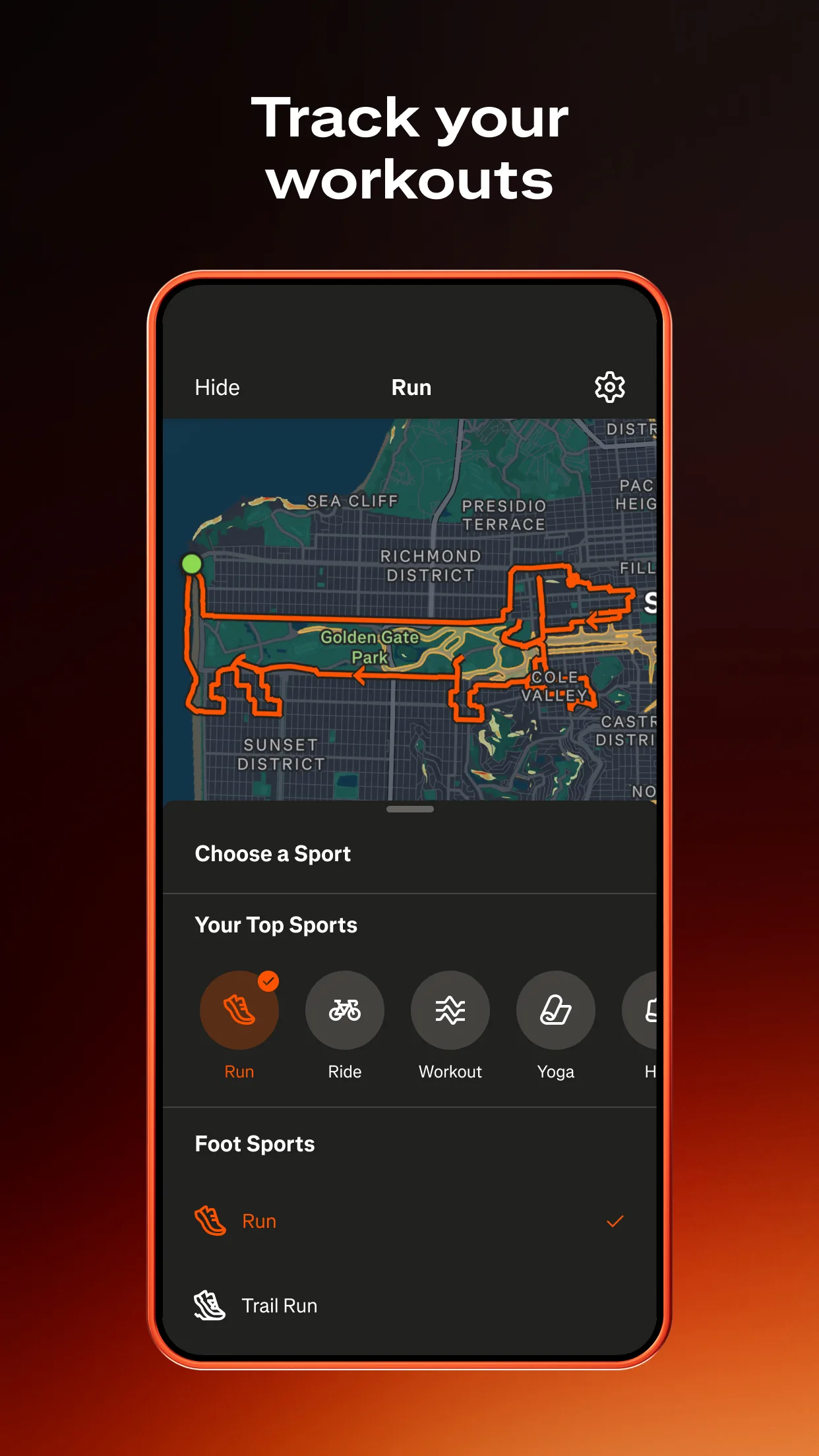
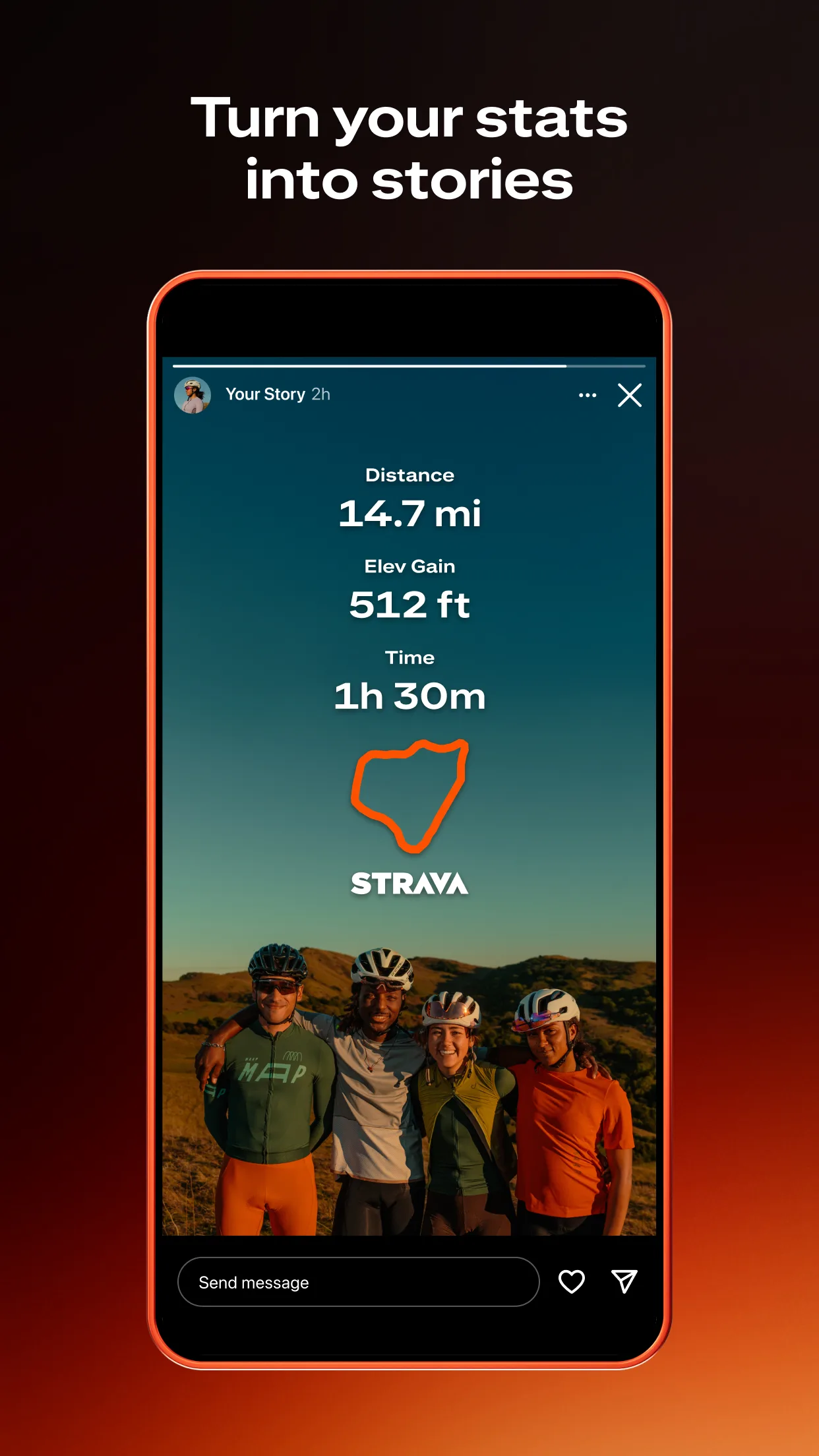
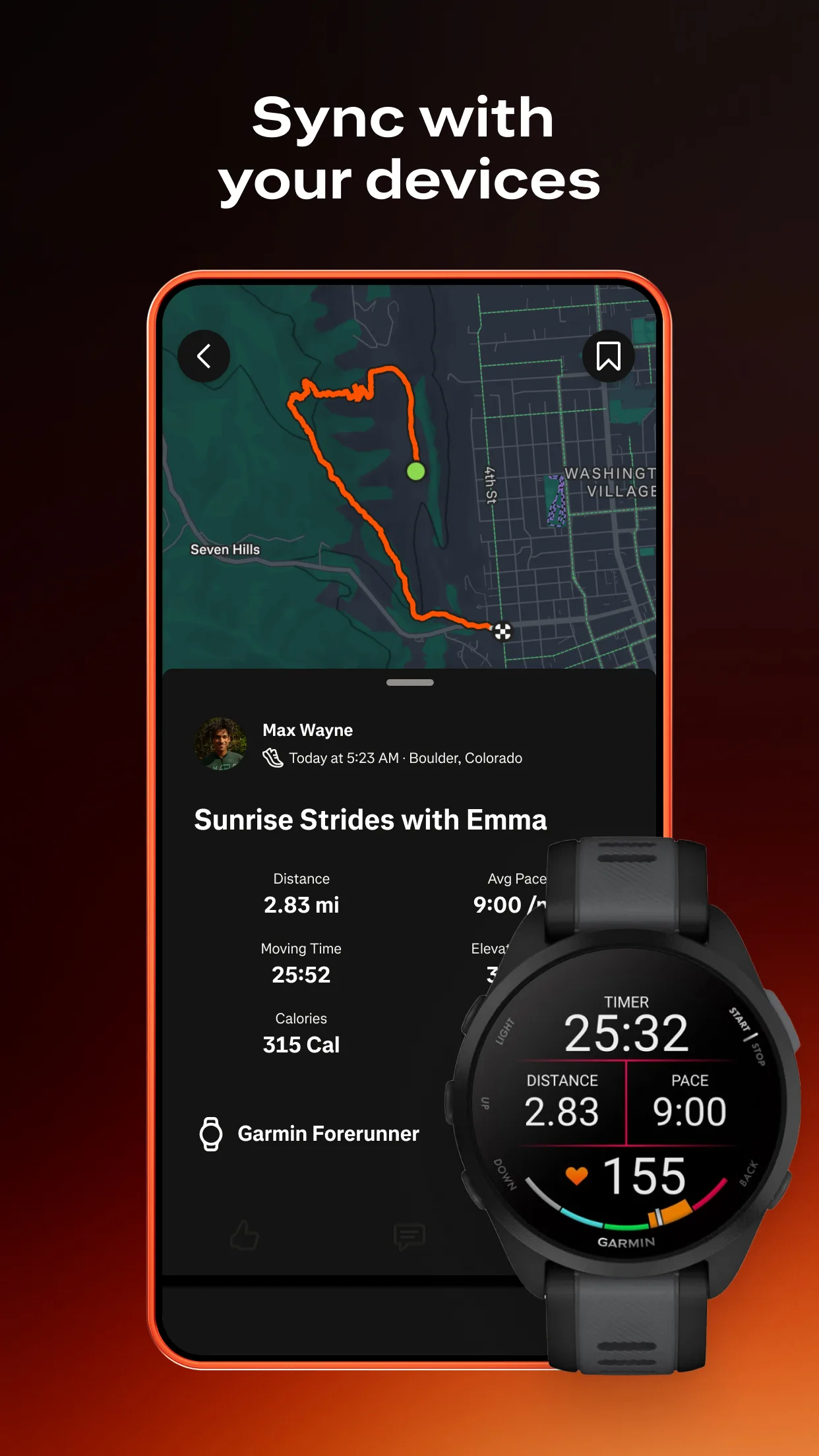
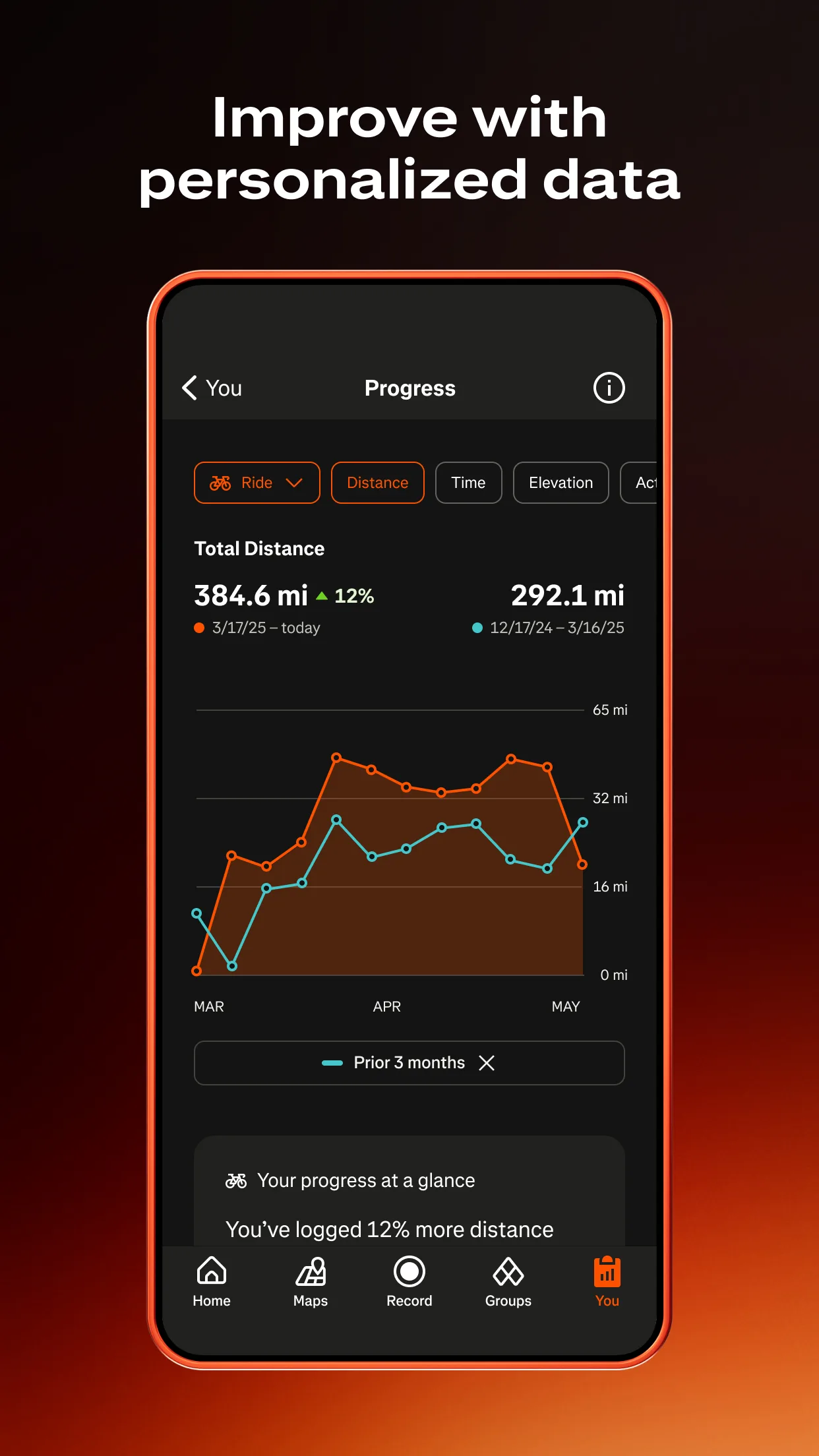
Strava is the social infrastructure that recreational cyclists share, making it the starting point in any serious recreational training stack. Its 195 million registered users and 50 million monthly active cyclists as of early 2026 mean that segment leaderboards exist on virtually every road worth riding, and local cycling clubs are accessible without requiring formal membership in organized racing.
At the recreational level, Strava Premium earns its $79.99 per year cost primarily through three features that the free tier lacks: Live Segments, filtered leaderboards, and the training analytics layer. Live Segments compare your current pace against your personal record in real time on compatible Garmin devices, transforming a familiar climb into a spontaneous time trial during the ride itself rather than in the post-ride summary.
What Strava does well
- Segment leaderboards on virtually every popular road and climb worldwide, with personal record tracking from the first ride
- Live Segments on Premium: real-time comparison to your PR during the ride on compatible Garmin and Apple Watch devices
- Athlete Intelligence (introduced 2025): AI-generated weekly summaries identifying training patterns such as consistent pace drops on specific climb types or late-ride fatigue markers
- 195 million registered users including active local cycling clubs in virtually every city, accessible from the free tier
- Device sync with Garmin, Wahoo, Polar, COROS, Apple Watch, and Wear OS
- Route builder using heatmap data from the Strava user base, showing where cyclists actually ride in any region
Where Strava falls short
Heart rate zone analysis, training load calendar, and filtered segment leaderboards all moved behind the paywall since 2024, reducing the free tier’s analytical value compared to 2023. Strava’s 2024 API restrictions blocked several third-party analytics tools including ProBikeGarage and Xert from syncing, frustrating riders who depended on those workflows. The app is a social tracking tool, not a coaching platform: it does not build training plans, adapt sessions based on recovery data, or provide surface-aware route planning.
Pricing: Free (tracking + social + segments) / $79.99/year Premium
Sign up for Strava free today and join 2-3 local cycling clubs before your next training week. Add Premium when Live Segments and filtered leaderboards are relevant to your regular training routes; the social layer in the free tier covers the community accountability that matters most for training consistency.
Komoot - Best for Gran Fondo Route Planning
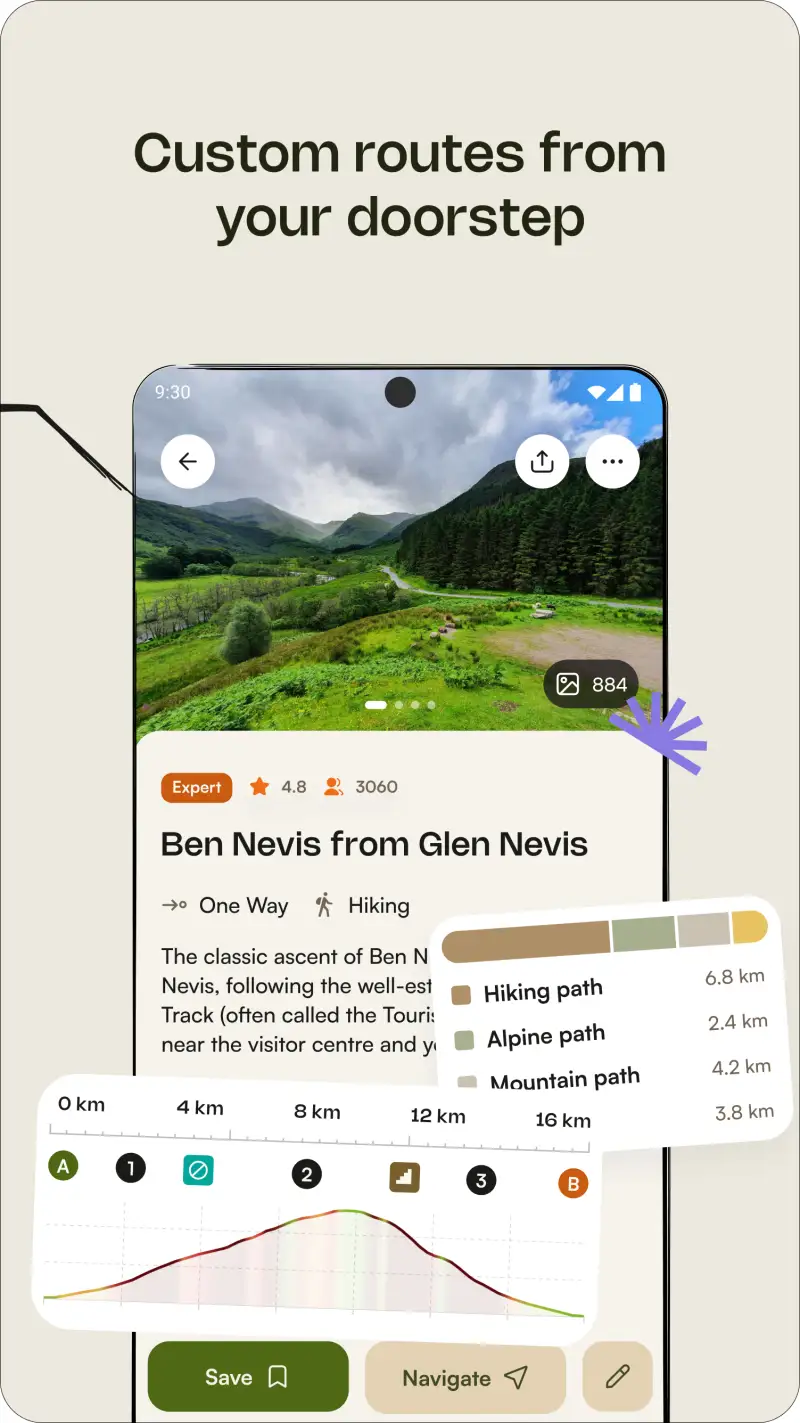
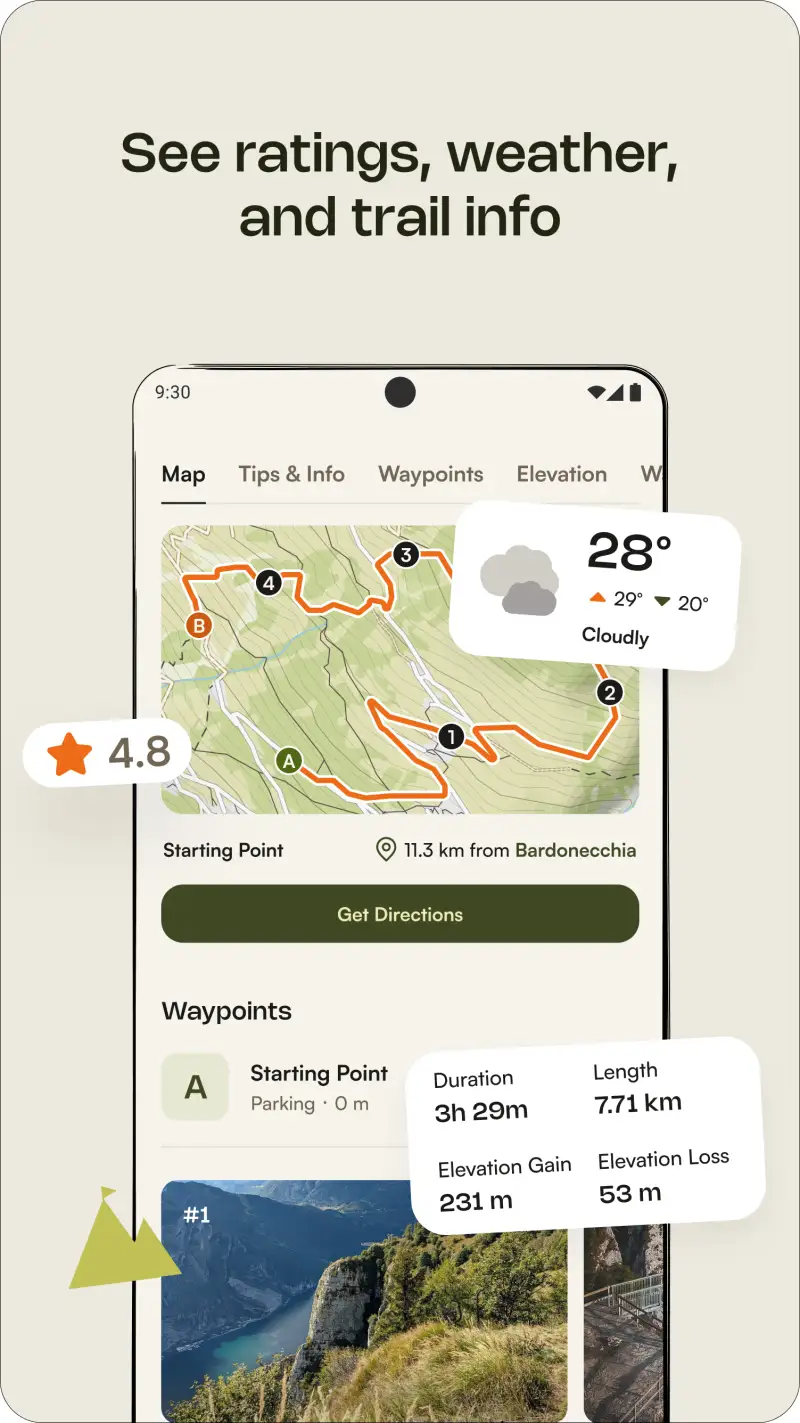
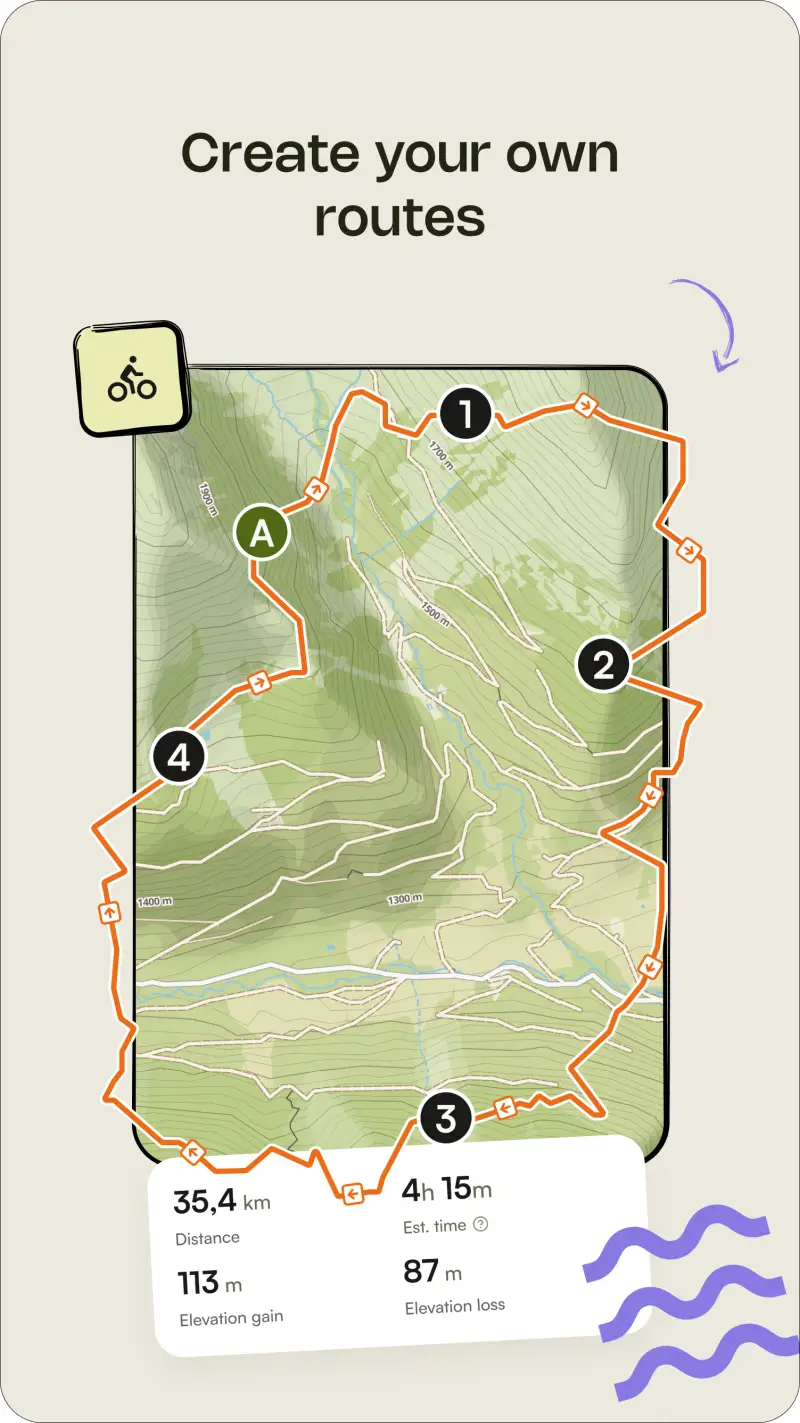
However, Strava does not help you plan a route that matches your event’s terrain before the day of the ride. Komoot addresses this directly: its surface-aware routing engine distinguishes paved road from gravel from dirt from singletrack at the planning stage, showing the surface breakdown on the elevation profile before you commit to riding it. For a recreational cyclist preparing for a 130 km gran fondo with 40 km of gravel climbing, that information changes how you structure your preparation rides.
The 160,000+ community gravel routes make Komoot the strongest discovery tool for exploring new training areas. When your regular routes become overfamiliar, Komoot’s pre-built community routes with elevation profiles and surface breakdowns let you find and evaluate new training terrain in unfamiliar regions before visiting.
What Komoot does well
- Surface-aware routing: paved / gravel / dirt / singletrack shown on the elevation profile before you ride; critical for replicating gran fondo terrain in training
- Elevation profiles with gradient percentage per segment: see every climb before committing, useful for choosing routes that match your current fitness and target event demands
- 160,000+ community cycling routes worldwide, particularly strong across European regions including the Alps, Pyrenees, and Dolomites
- Turn-by-turn voice navigation with junction-specific instructions, reliable in testing on varied terrain types
- Offline map downloads for areas without cellular coverage, available in both the free local region and the worldwide bundle
- One-time €29.99 worldwide map purchase, significantly better value than annual subscription alternatives for recreational riders who do not need Garmin device sync
Where Komoot falls short
The 2025 pricing change moved Garmin and Wahoo device sync behind a Premium subscription at roughly €4.99 per month, generating significant backlash from existing users who previously synced free. Community route density is noticeably weaker in North America than in Europe; riders in the Alps or Catalonia find rich pre-built route libraries, while some regions in the American West or Canada have limited options. Komoot has no training analytics, no heart rate zone tracking, and no performance metrics.

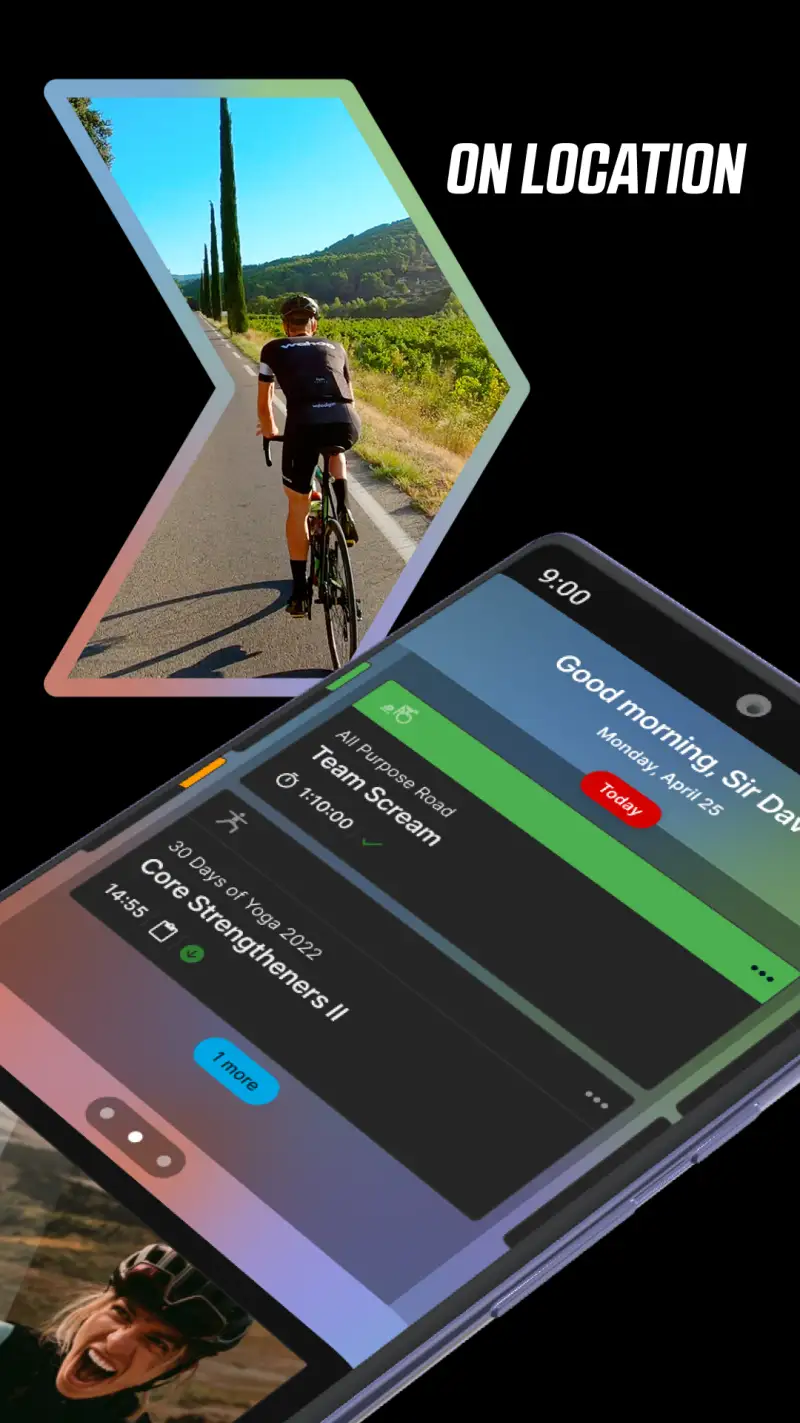
Pricing: Free (one local region) / €29.99 one-time (worldwide maps) / ~€4.99/month Premium for device sync
Download Komoot and purchase the worldwide map bundle at €29.99 if you train across multiple regions or prepare for events in new areas. Add Premium only if Garmin or Wahoo device sync is a specific workflow need; for most recreational riders, the one-time map bundle covers everything required.
Garmin Connect - Best for Zone 2 Analytics
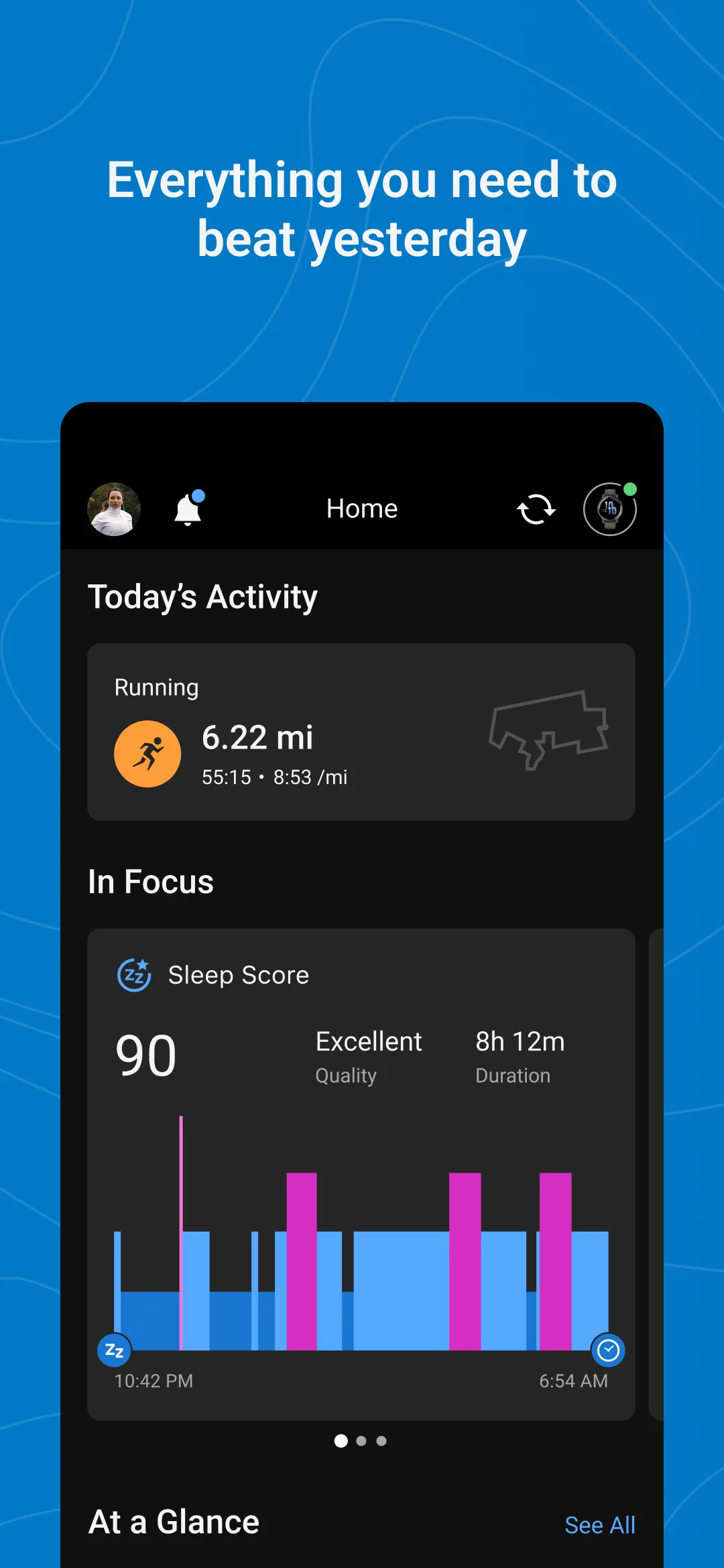
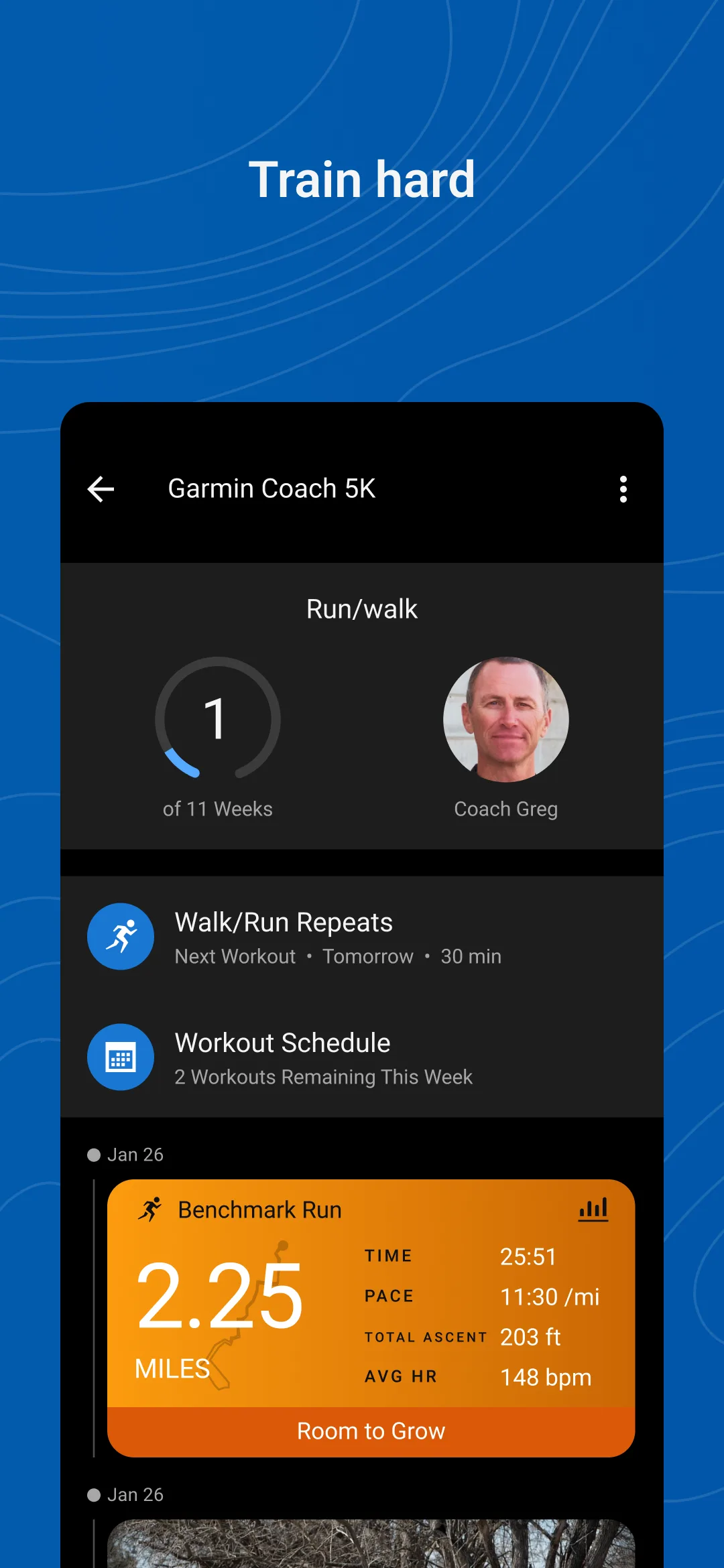
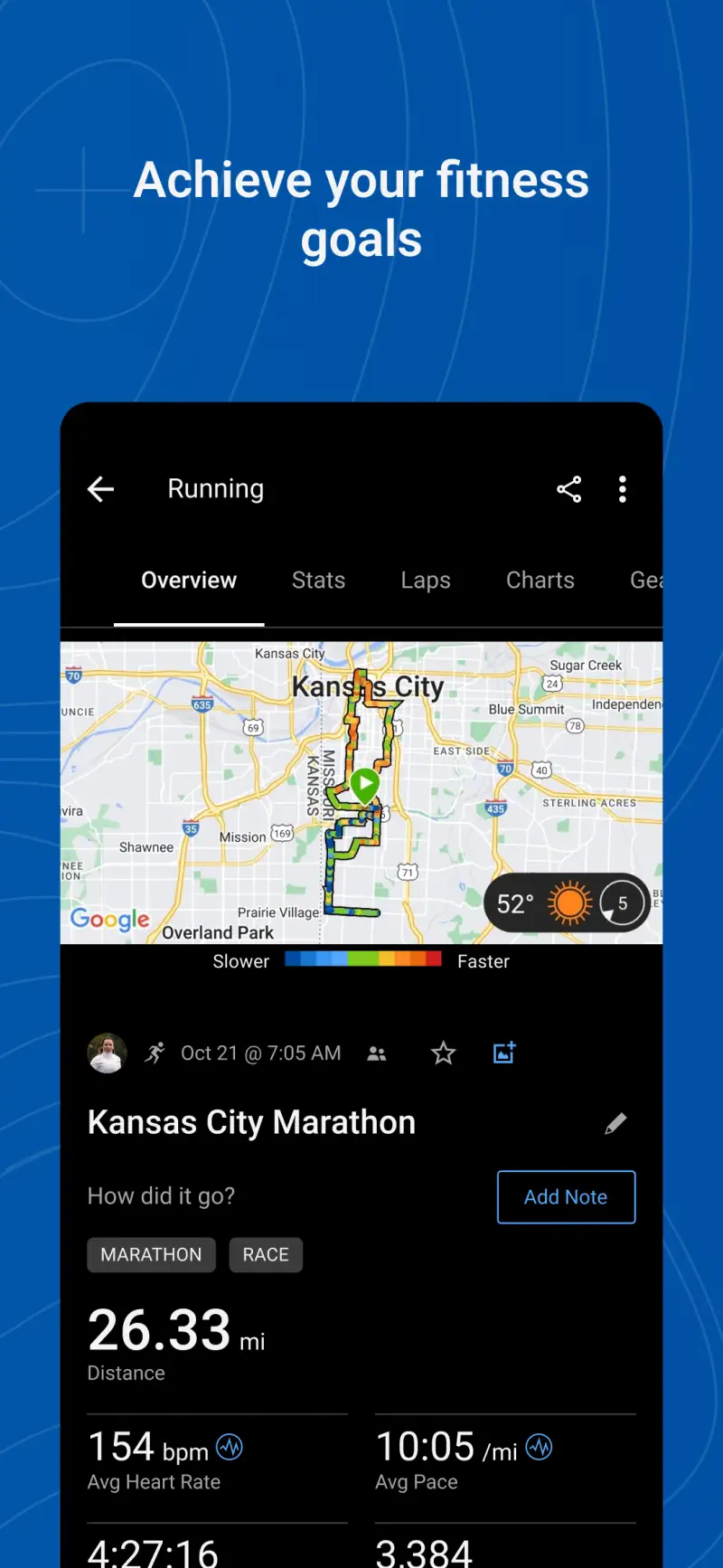
Building on route planning, the analytical layer that recreational cyclists most often lack is real-time feedback during Zone 2 sessions. Garmin Connect provides this free for riders who own Garmin hardware, delivering Body Battery, HRV Status, and Training Status as a complete daily readiness and training analytics picture at no subscription cost.
For recreational cyclists, Garmin Connect’s Training Status is the feature that converts intuitive training into data-informed decisions. After 3-4 weeks of consistent data collection, the app classifies each ride’s contribution to fitness as Productive, Maintaining, Peaking, or Detraining, giving you a weekly summary of whether your training mix is actually building fitness or just maintaining current form. The Q1 2026 update added expanded gear tracking and Varia radar voice alerts, making the platform more comprehensive for road cyclists who ride with safety radar.
What Garmin Connect does well
- Training Status: classifies fitness trajectory after every ride; requires 3-4 weeks of data to become reliable, but then provides genuinely useful weekly summaries
- Body Battery: daily readiness score combining HRV, stress, and sleep quality; explains why Tuesday’s intervals felt harder than planned even after a recovery day
- HRV Status: rolling 5-week personal baseline; drops below your established range signal accumulated fatigue 24-48 hours before it affects perceived effort
- Heart rate zone display live on Garmin Edge devices during rides, the direct solution to the Zone 2 drift problem
- Q1 2026 update: expanded gear tracking with component-specific mileage, Varia radar integration with voice alerts
- Completely free for all Garmin device owners; Garmin Edge 540 starts at $399 for the hardware
Where Garmin Connect falls short
The app provides zero value without Garmin hardware; the Edge 130 Plus at $229 is the lowest-cost entry point, and the Edge 540 at $399 unlocks the full analytics capability. The interface density is high compared to Strava and Komoot, requiring meaningful navigation time. Garmin Connect does not provide coaching plans or adaptive training structure; pair it with Komoot for route planning and Strava for the social layer.
Pricing: Free (requires Garmin device)
Activate Garmin Connect now if you own a Garmin device and enable HRV Status tracking immediately. Allow 4 weeks of consistent data collection before drawing conclusions from the daily readiness scores. If you do not own Garmin hardware, evaluate the Edge 130 Plus or Edge 540 purchase after 6 months of consistent riding, when you have confirmed the analytics need.
RideWithGPS - Best for Detailed Route Building
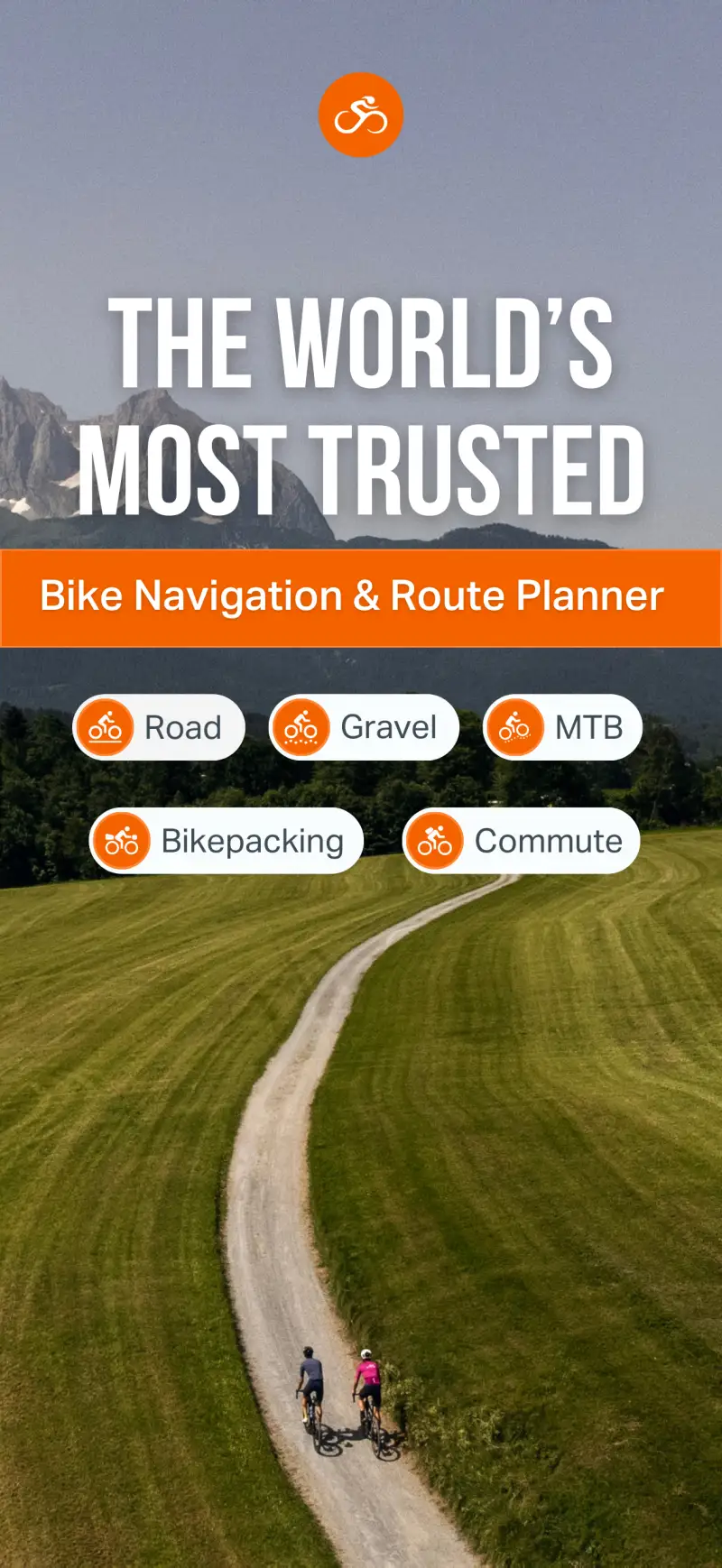
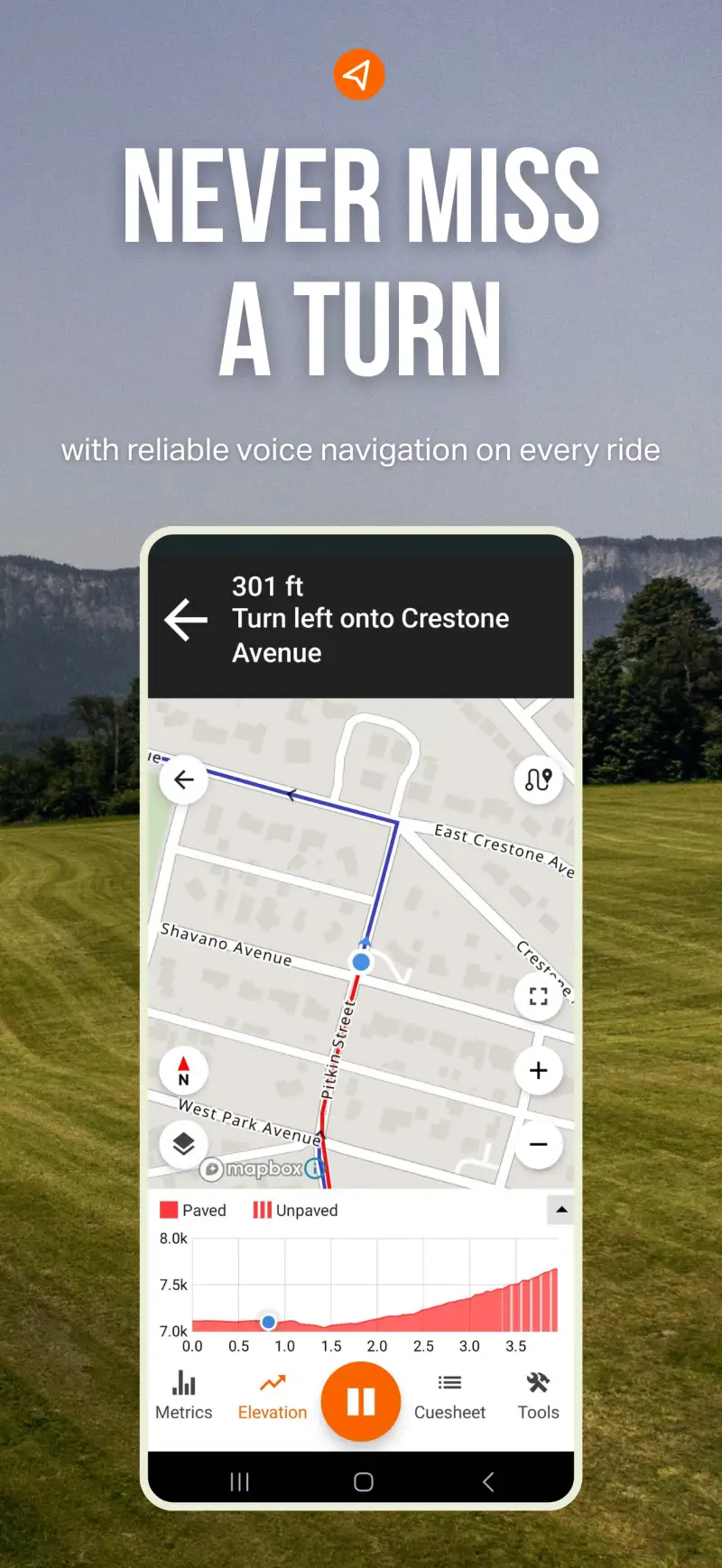
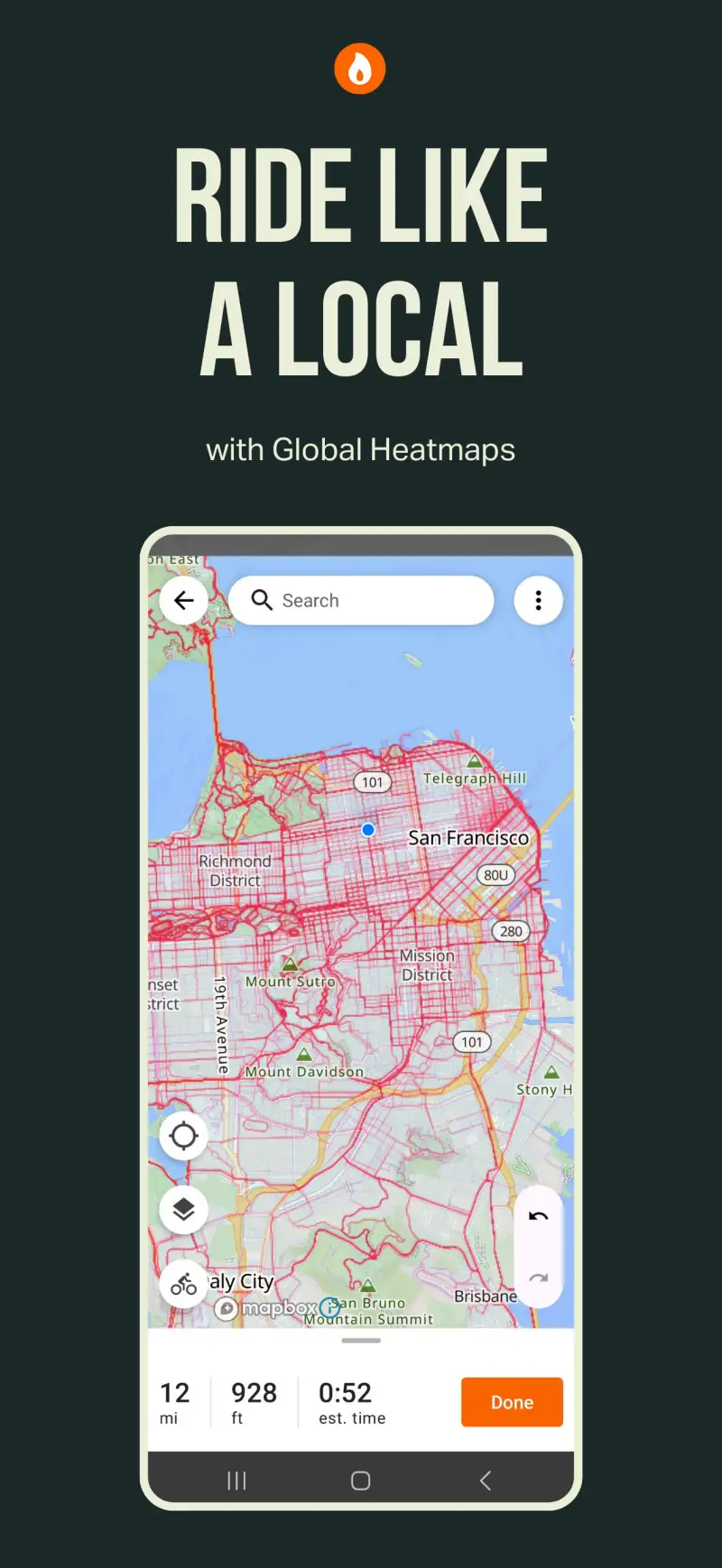
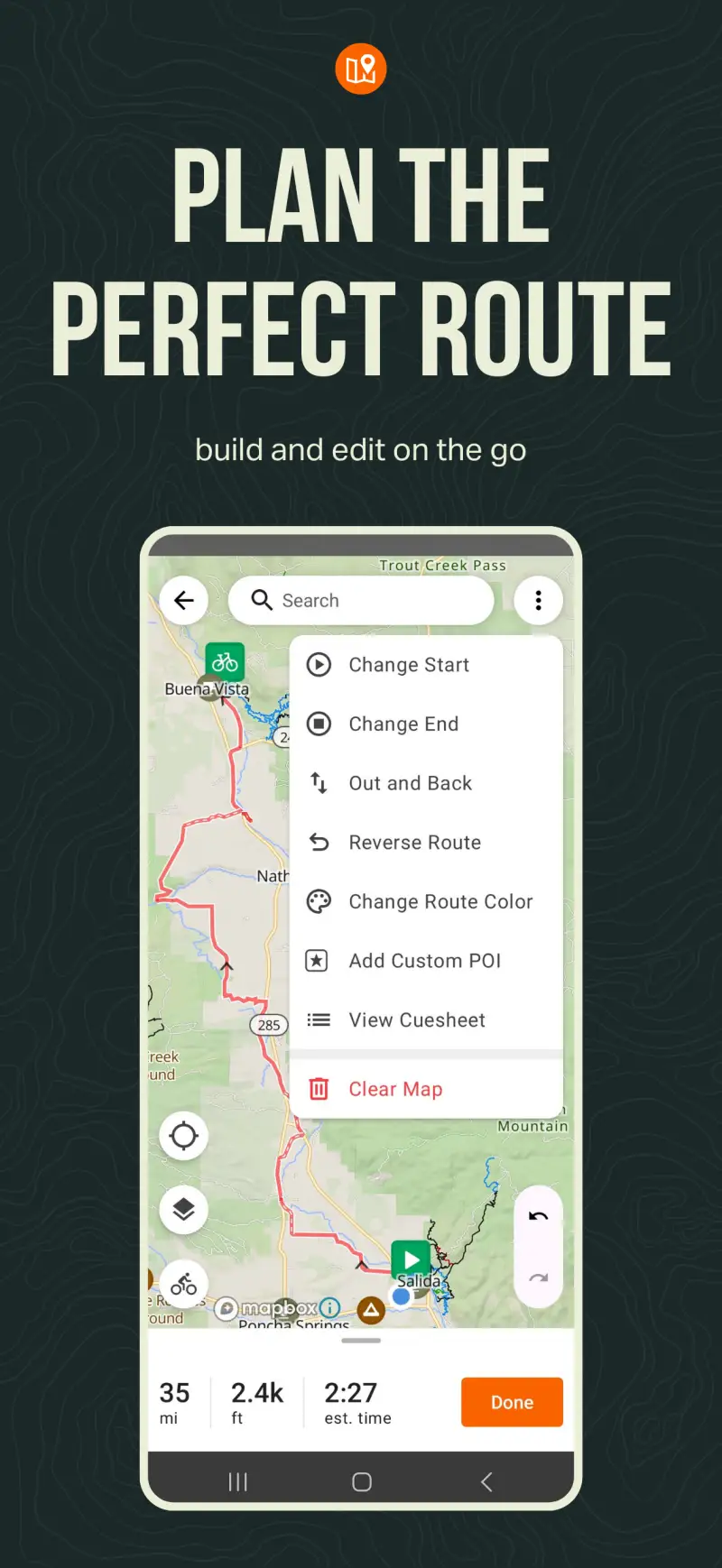
Additionally, RideWithGPS addresses a specific need that Komoot handles less precisely: building complex, detailed routes from scratch rather than following pre-built community lines. For recreational cyclists planning long events, multi-day rides, or routes with specific waypoints and rest stop locations, RideWithGPS provides precision mapping tools that the other apps in this guide do not match.
The 2025 Surface Types feature shows paved versus gravel versus dirt versus natural surface inline during route planning, a direct competitor to Komoot’s surface breakdown that appeared in response to the gravel cycling boom. Cuesheets, step-by-step turn instructions formatted for paper or bike computer display, remain the feature that distinguishes RideWithGPS for cyclists planning routes they want to share with club members or sportive participants.
What RideWithGPS does well
- Precision route editor: drag-and-drop waypoint editing with custom POI creation, more granular than Komoot’s routing for complex route building
- Surface Types (2025): paved / gravel / dirt / natural displayed inline during planning, letting you see surface transitions before committing to the route
- Cuesheets: step-by-step turn instructions exportable for paper, bike computer display, or sharing with other cyclists; particularly useful for club ride planning
- Elevation profiles with climb-aware time estimates personalized to your historical pace on similar gradients
- GPX, FIT, and TCX export compatible with Garmin, Wahoo, and Hammerhead bike computers
- Basic tier at $49.99/year covers offline maps, device sync, and mobile navigation
Where RideWithGPS falls short
The interface is less intuitive than Komoot for casual route discovery; RideWithGPS rewards cyclists who plan routes carefully rather than those who prefer exploring pre-built community options. The community size is smaller than Komoot, making route discovery in unfamiliar areas less rich. Mobile navigation quality is functional but less polished than Komoot’s turn-by-turn experience on technical terrain.
Pricing: Free (basic route planning) / $49.99/year Basic (offline maps + device sync + mobile navigation)
Download RideWithGPS free and build your next event preparation route using the precision editor before evaluating the Basic subscription. Subscribe at $49.99 per year when offline maps and device sync become specific requirements for your riding workflow.
Wahoo ELEMNT Companion - Best for Clean Bike Computer Setup
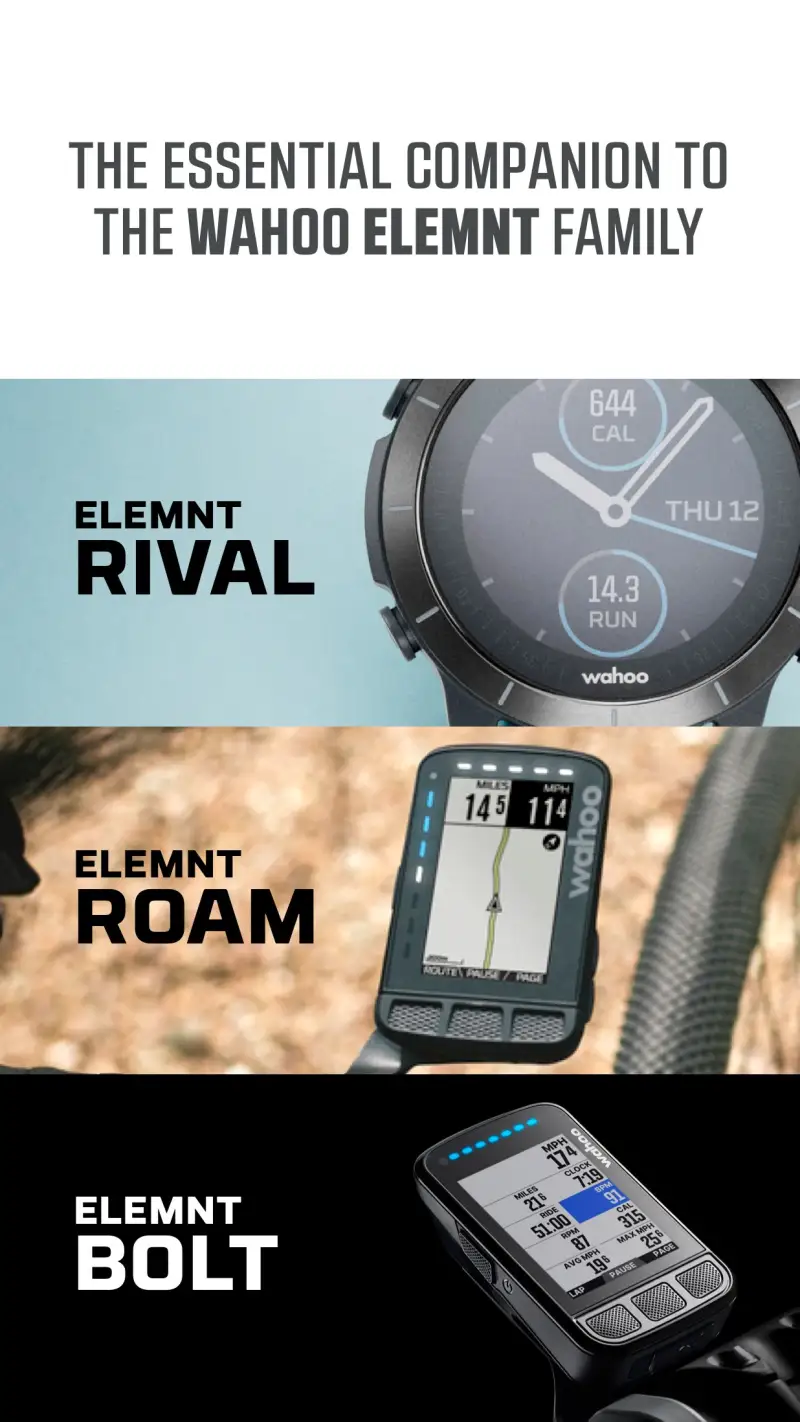
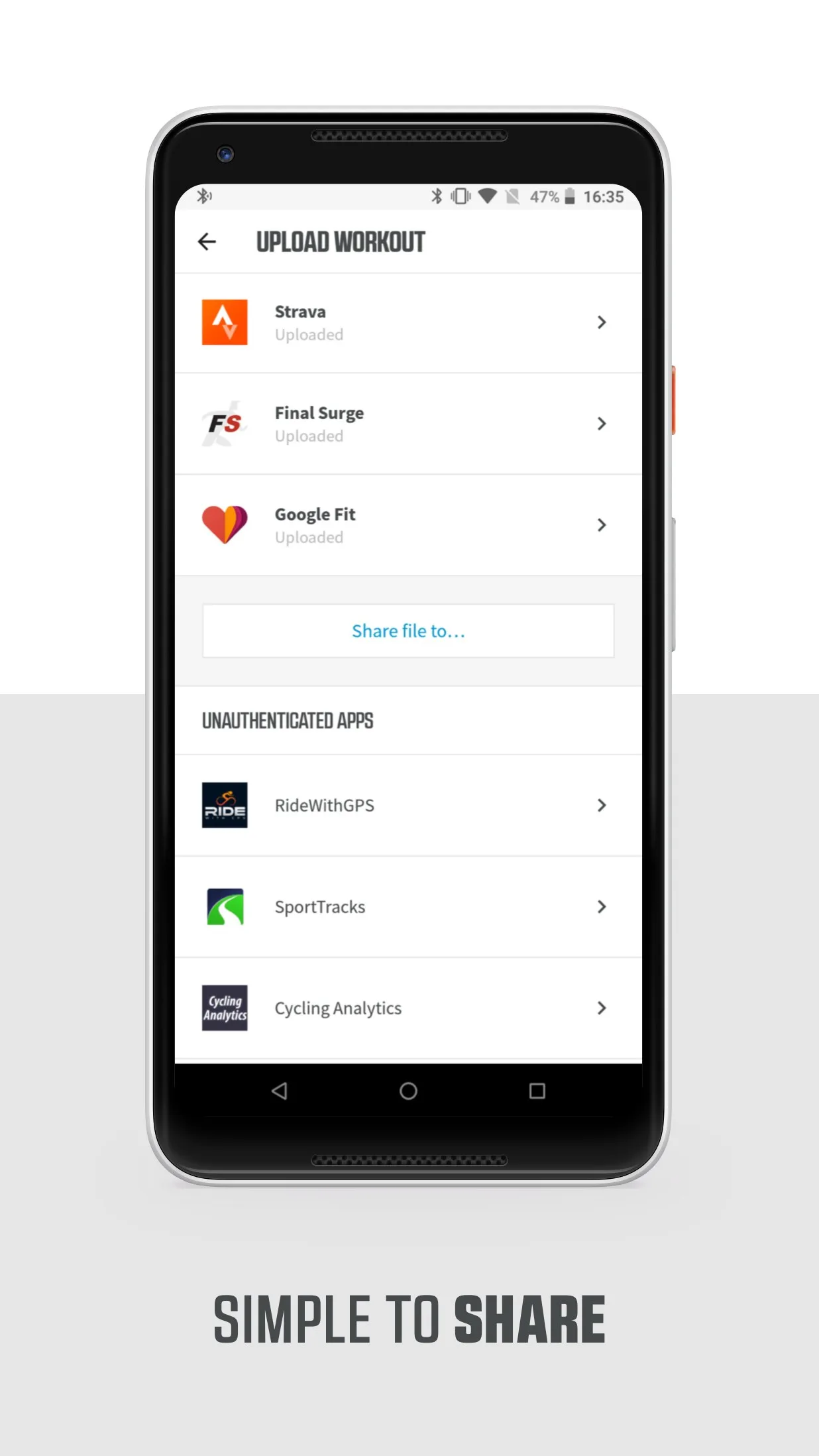
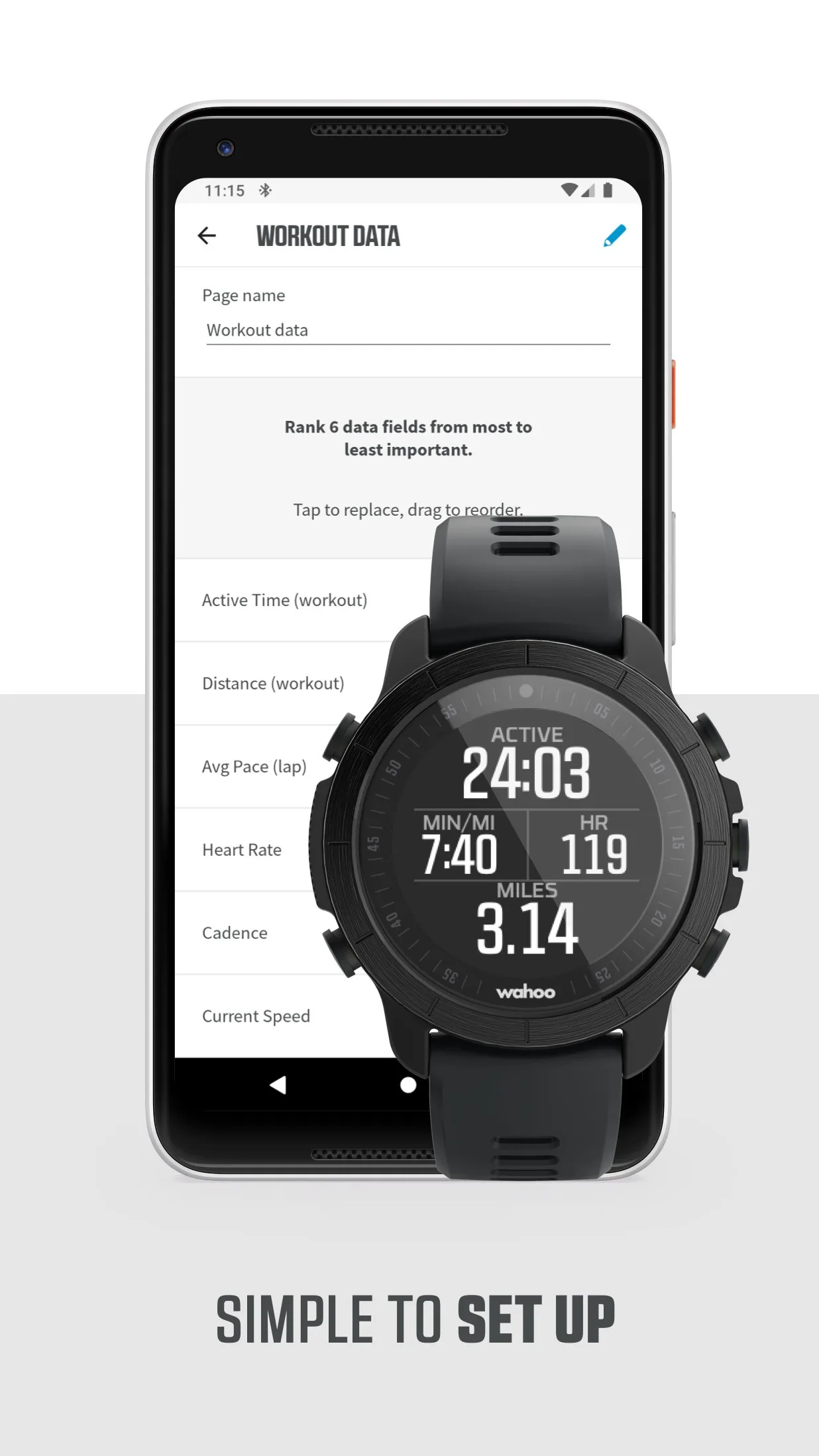
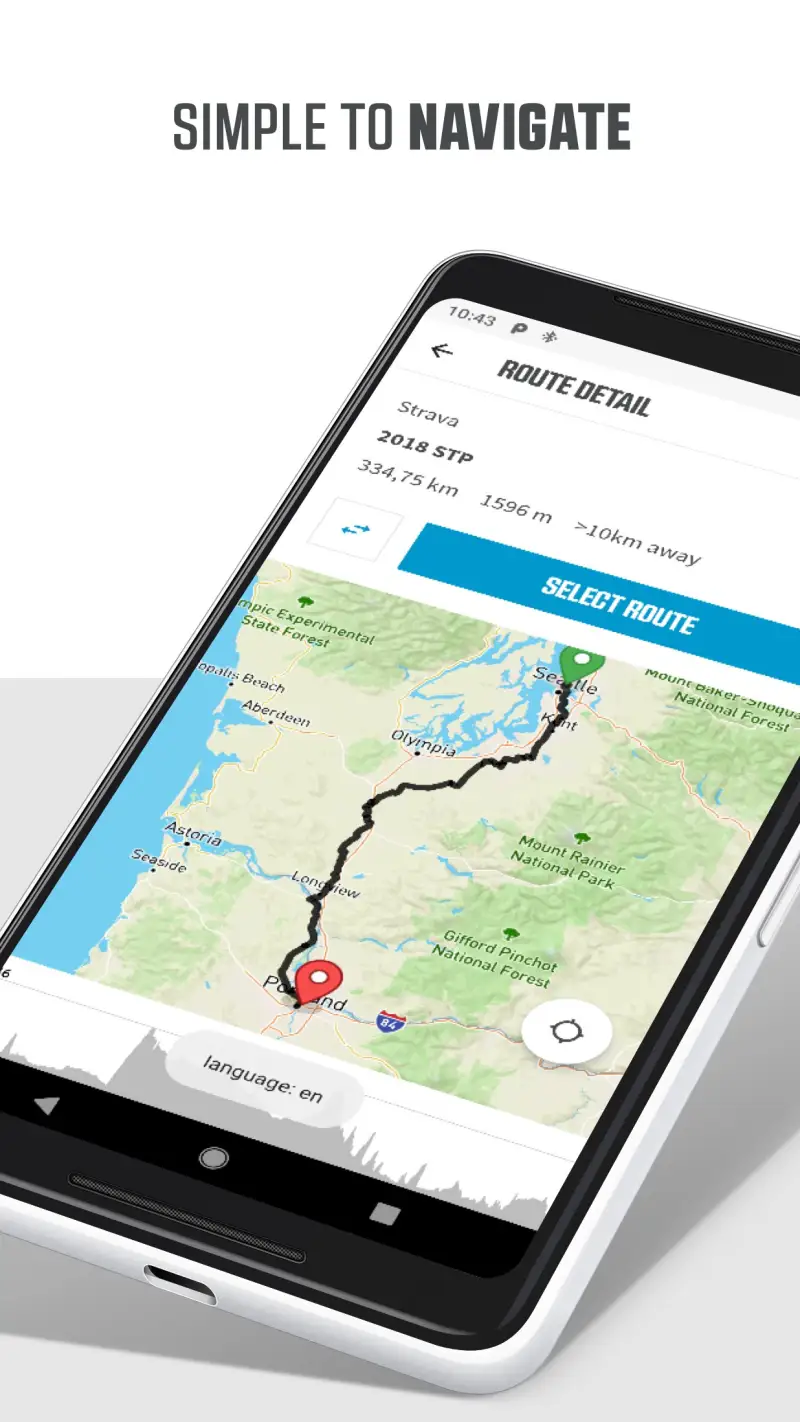
Unlike the analytics and navigation tools above, Wahoo ELEMNT Companion solves a different problem for recreational cyclists who choose Wahoo hardware: configuring and managing a Wahoo ELEMNT bike computer via the phone app rather than navigating menus on the device itself. The entire device setup, including data field customization, alert configuration, and route loading, happens in the companion app before you mount the computer on the bike.
Wahoo’s open ecosystem philosophy makes ELEMNT Companion the strongest choice for cyclists who use TrainerRoad, TrainingPeaks, Strava, or Komoot as their primary platforms; the computer syncs cleanly with all of them without the hardware-ecosystem lock-in that Garmin’s deeper analytics require. The ELEMNT ACE, released in 2025 with a 3.8-inch touchscreen, is the most display-capable bike computer in the Wahoo lineup and a direct response to the Garmin Edge 1050’s larger screen format.

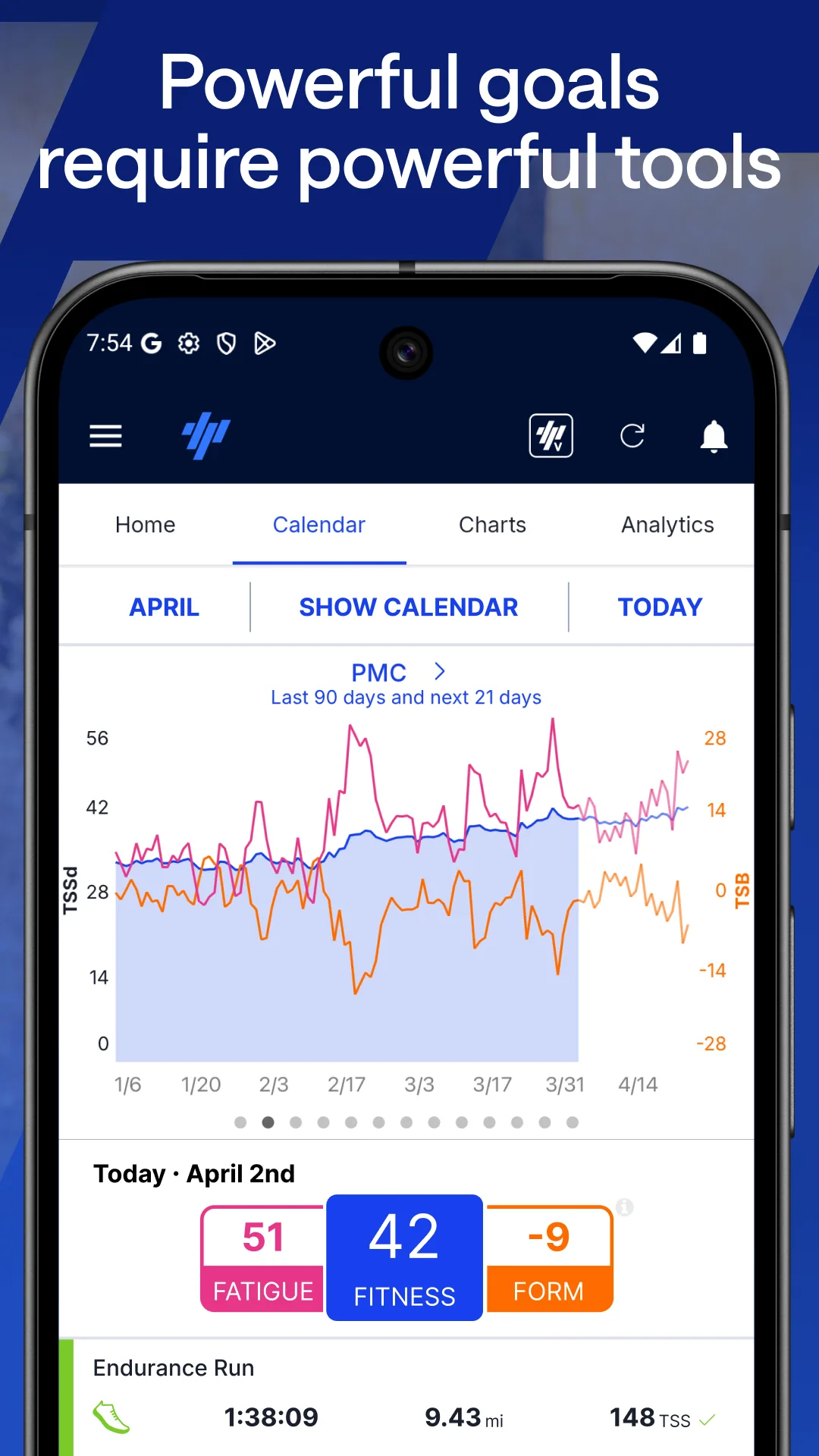
What Wahoo ELEMNT Companion does well
- Simplest bike computer setup process: device configured entirely through the phone app, with clean data field customization and alert management
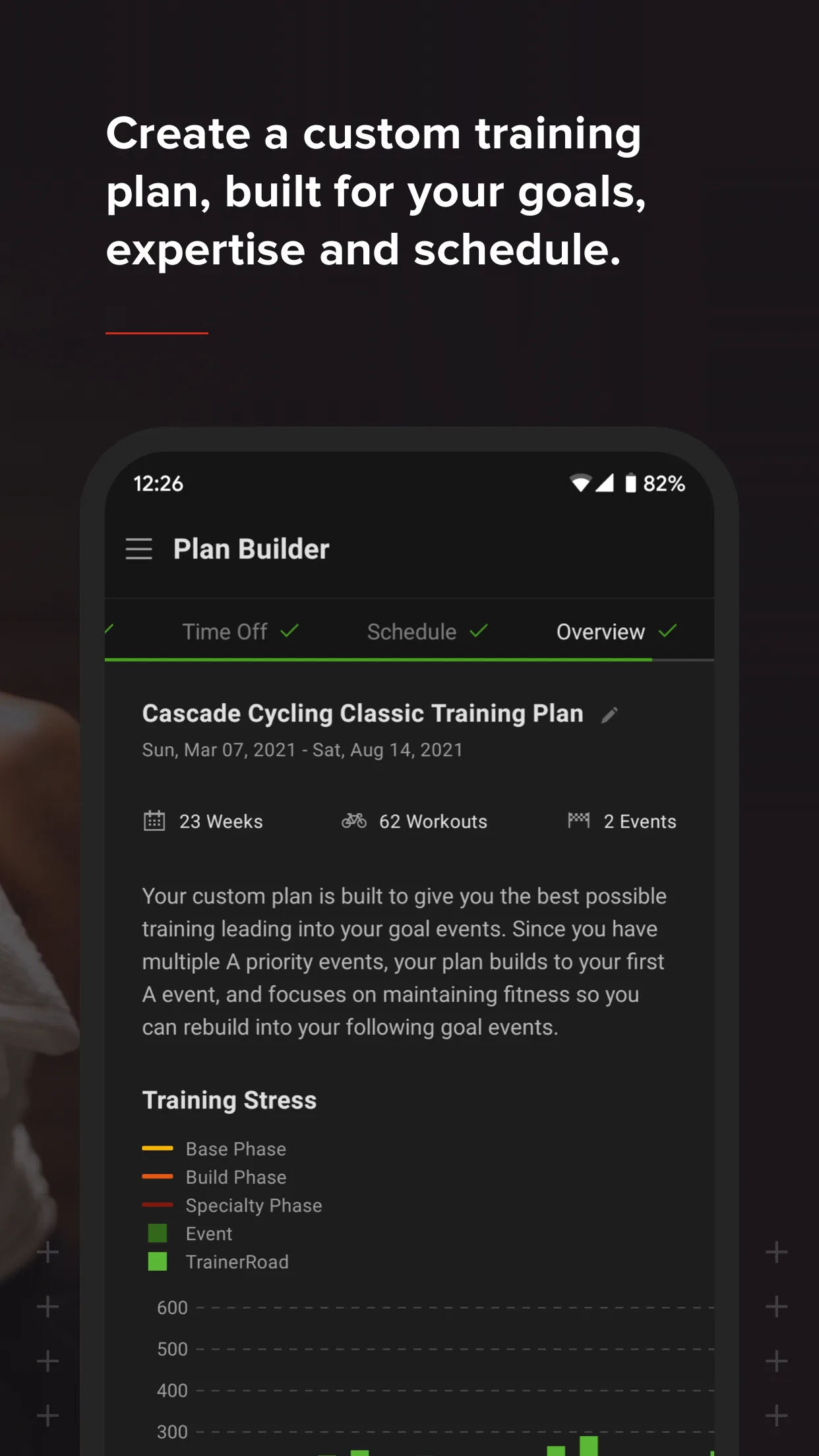
- Open ecosystem: syncs with TrainerRoad, TrainingPeaks, Strava, and Komoot without requiring platform switching or data export workflows
- ELEMNT ACE with 3.8-inch touchscreen (2025): largest display in the Wahoo lineup, competitive with the Garmin Edge 1050
- ELEMNT BOLT V2 at $279 is the most affordable capable Wahoo bike computer option for recreational riders
- Clean UI that feels less cluttered than Garmin Connect for day-to-day ride management
Where Wahoo ELEMNT Companion falls short
The built-in training intelligence is less sophisticated than Garmin’s ecosystem: no Body Battery, no HRV Status, and limited Training Status visibility without adding TrainingPeaks or another analytics platform. Battery life on the ELEMNT ROAM V2 is 17 hours versus 26 hours on the Garmin Edge 540, a meaningful difference for long gran fondos. The app is essentially worthless without Wahoo hardware; it provides nothing to cyclists without a Wahoo device.
Pricing: App free (requires Wahoo ELEMNT device: BOLT V2 from $279)
Download Wahoo ELEMNT Companion if you own or plan to buy a Wahoo bike computer. Pair it with RideWithGPS or Komoot for route planning and Strava for the social layer; the companion app handles device configuration while the other platforms cover analytics and navigation.
Which App Fits Your Riding Style
| App | Price | Best For | Free Tier Useful? |
|---|---|---|---|
| Strava | Free / $79.99/yr | Segments, community, Live Segments | Yes |
| Komoot | Free / €29.99 one-time | Gran fondo route planning, navigation | Yes (one region) |
| Garmin Connect | Free | Zone 2 analytics, daily readiness | Yes (hardware required) |
| RideWithGPS | Free / $49.99/yr | Precision route building, cuesheets | Yes (basic planning) |
| Wahoo ELEMNT Companion | Free | Wahoo device setup and management | Hardware required |
Preparing for a first gran fondo
Sign up for Strava Premium at $79.99 per year for Live Segments and training analytics. Download Komoot and purchase the worldwide map bundle at €29.99 for surface-aware route planning that replicates event terrain in training. Add Garmin Connect free if you own Garmin hardware for daily Zone 2 analytics. Start 16 weeks before the event date.
Focused on route building and club rides
Subscribe to RideWithGPS Basic at $49.99 per year for precision route building and cuesheet creation. Add Strava free for the social layer and segment competition. Download Komoot free for local navigation on pre-built community routes. This combination serves both personal route planning and club ride organization.
Using Wahoo hardware
Download Wahoo ELEMNT Companion free immediately upon purchasing a Wahoo device. Add RideWithGPS or Komoot for route planning. Sign up for Strava free for community and segments. The ELEMNT’s open ecosystem means all three tools sync without friction.
Training on a limited budget
Install Strava free and join local clubs for community accountability. Download Komoot free and explore the single local region before purchasing the worldwide bundle. Use Garmin Connect free if you own compatible hardware. This stack covers route planning, segment competition, and basic analytics at near-zero cost until a specific limitation appears.