Choosing a cycling app is harder than it should be. Search “best cycling app” and you get the same 10 names regardless of whether you are a beginner wanting GPS tracking for your first commute or a competitive road cyclist managing FTP, TSS, and a 20-hour training week. The apps that serve those two cyclists have almost no overlap. Strava ($79.99/yr Premium) provides the social segment infrastructure that 195M+ registered users share - the one app that appears in every serious cyclist’s stack regardless of discipline. TrainerRoad ($209.99/yr) does one thing better than any competing platform: improve your FTP, with adaptive AI that re-simulates your training plan after every ride. MyWhoosh is completely free with $90,000 monthly cash-prize races and UCI Cycling Esports World Championship hosting through 2026.
After testing 6 cycling apps on Pixel 8 and Samsung Galaxy S24 running Android 15, across beginner, recreational, serious road, gravel, and indoor contexts in 2025-2026, this overview maps every cycling scenario to the platform that serves it.
Who this is for: Cyclists at any level who want to understand the full app landscape before downloading. If you already know your riding type, see the dedicated guides: Beginners, Recreational, Serious Road, Gravel and Adventure, Indoor Training.








How to Choose: Match the App to Your Riding
Three questions cut through the noise before looking at any individual app.
What Are You Actually Trying to Do?
Recording rides and seeing them on a map is a different problem from planning a 200 km gravel route or improving your FTP over a 16-week training block. Most app frustration comes from using a performance training tool when you needed a GPS tracker, or downloading a navigation app when you needed community accountability. The cycling app landscape separates cleanly into social tracking (Strava), navigation (Komoot), indoor performance (TrainerRoad, Wahoo SYSTM, Zwift), and free virtual riding (MyWhoosh). Identifying which of these matches your primary riding goal determines the right starting point.

What Hardware Do You Own?
Garmin Connect is meaningless without a Garmin device. Wahoo SYSTM works best with a smart trainer for ERG mode. Some apps require specific ecosystems and deliver nothing without them. Cyclists riding with a phone mount and no dedicated cycling computer have different connectivity options than those with Garmin head units and power meters.
How Much Are You Willing to Pay?
Strava Premium costs $79.99/yr. TrainerRoad costs $209.99/yr. MyWhoosh is completely free. Performance and cost do not always correlate - MyWhoosh’s free platform often outperforms paid alternatives in specific contexts like social group rides and e-racing.
Strava - Best Social Tracking Layer for All Cyclists
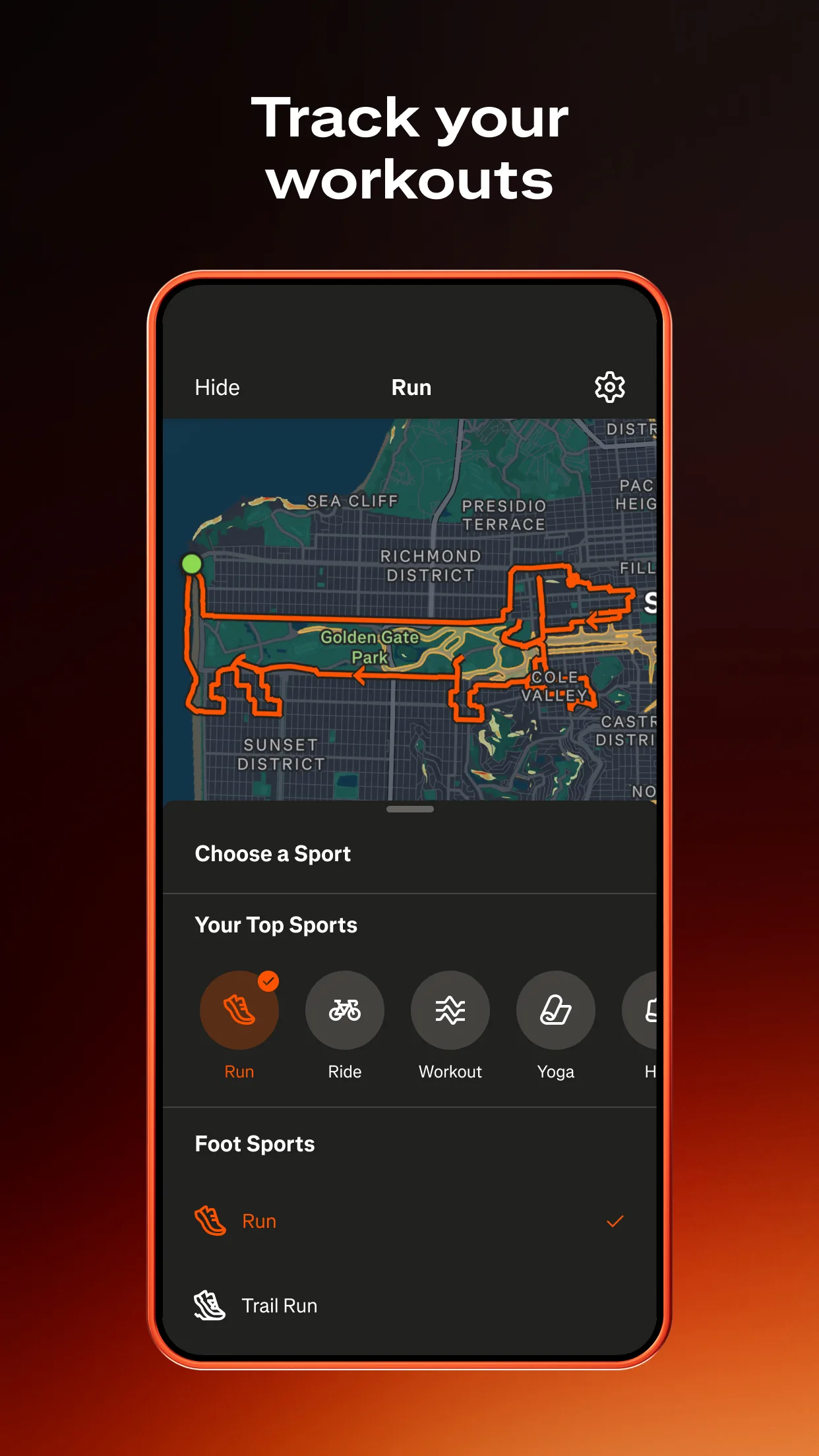
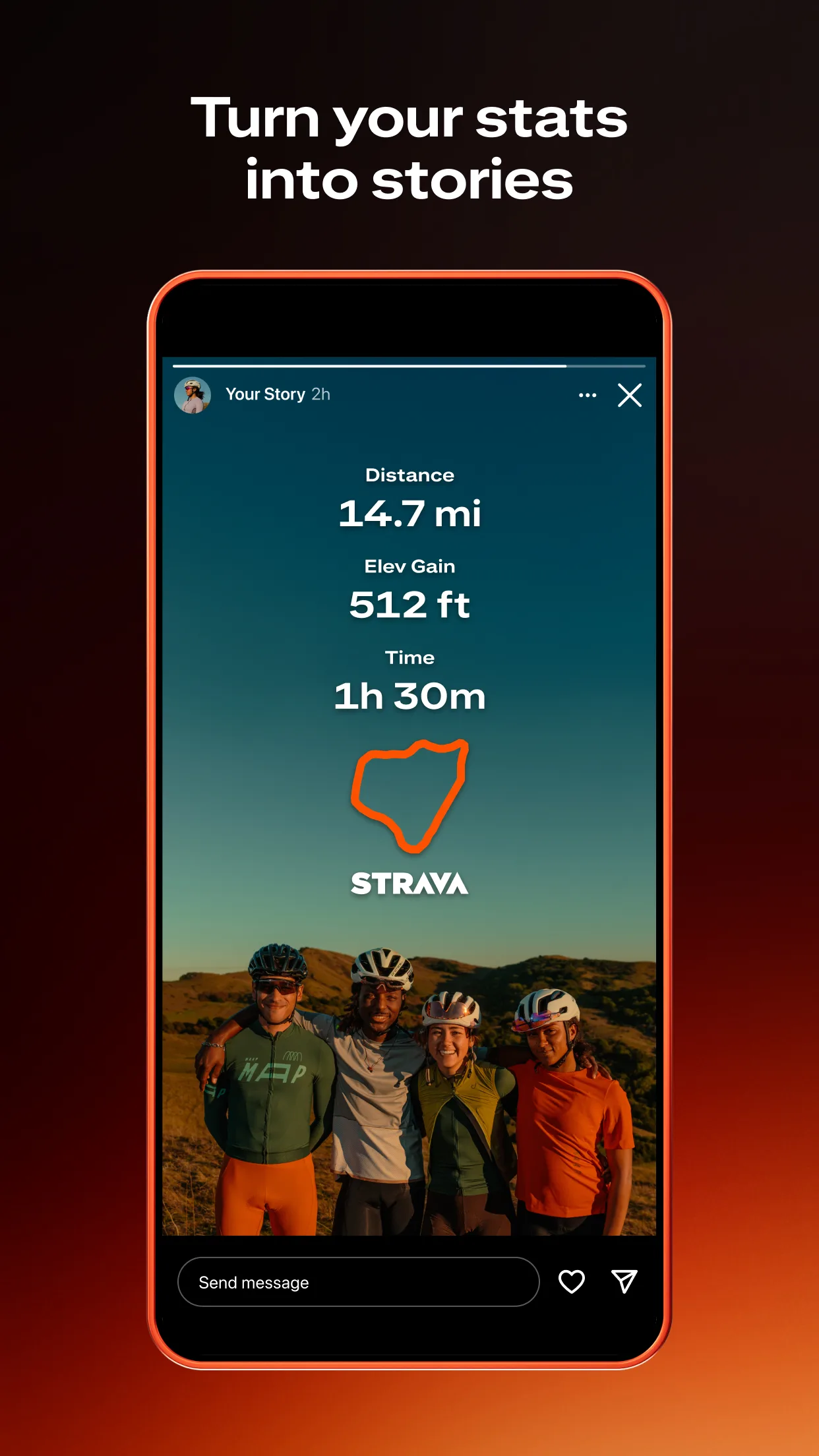
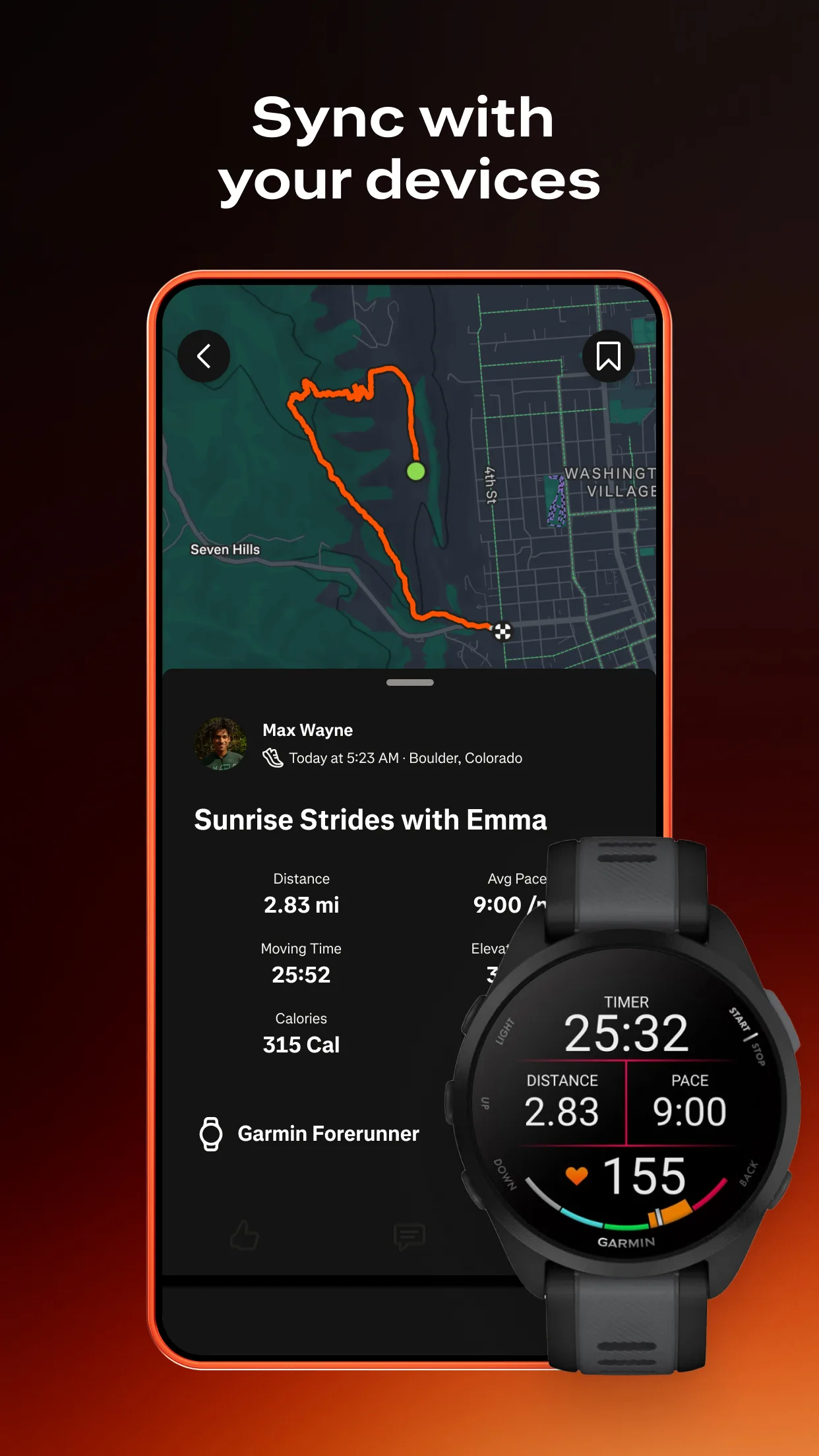
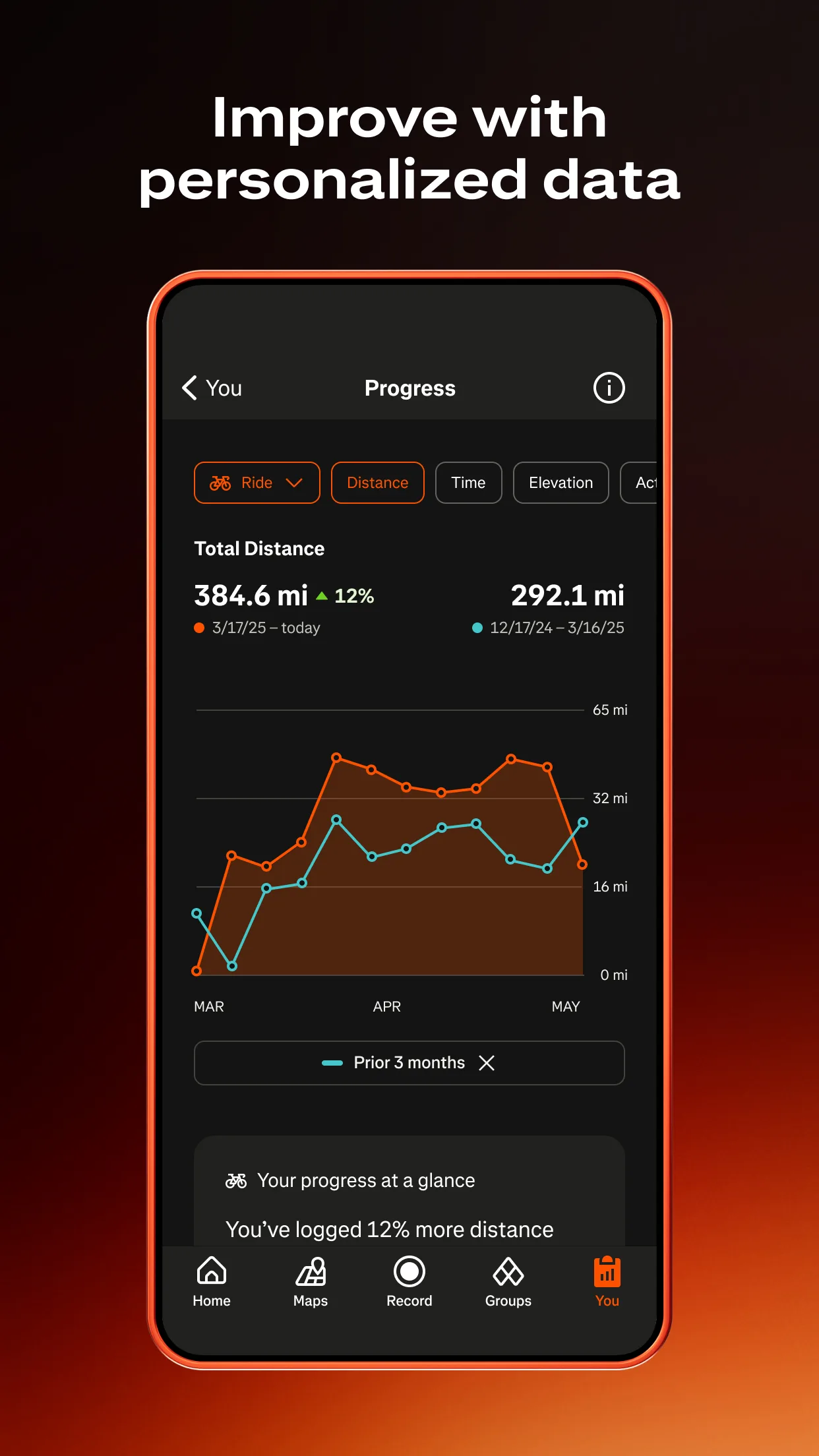
Strava is not the deepest analytics platform or the best navigation tool - it is the cycling equivalent of having a phone number, a baseline social infrastructure that 195M+ registered users share, making it the one app that appears in every serious cyclist’s stack regardless of discipline or level. Segments - where every popular road, climb, and trail becomes an informal time trial against every other Strava user who has ridden it - create competitive context that no other platform approaches at this scale.
The 2025 Athlete Intelligence feature adds AI-generated weekly summaries identifying training patterns, unusual effort spikes, and consistency trends in plain language rather than requiring athletes to interpret raw data. Device integration covers every major brand - Garmin, Wahoo, Polar, COROS, Wear OS - through automatic upload, making Strava the activity hub that aggregates data regardless of hardware choice.
What Strava does well
- Segment leaderboards on virtually every route globally: KOM/QOM competition on popular climbs, sprints, and trails; the social performance context that no competing platform replicates at 195M+ user scale
- Universal device integration: automatic upload from Garmin, Wahoo, Polar, COROS, and Wear OS; works with virtually every cycling GPS device without manual file transfer
- Heatmap routing: shows where other cyclists actually ride in unfamiliar areas; useful for finding good roads in unknown regions without local knowledge
- Athlete Intelligence (2025): weekly AI summaries of training patterns, consistency, and unusual effort spikes in plain language
- Free tier usable: basic GPS tracking, segments, and activity feed accessible without subscription; worth installing regardless of subscription intention
Where Strava falls short
Heart rate zone breakdowns, training load calendar, and relative effort analysis all moved behind the $79.99/yr paywall since 2024 - the free tier is increasingly limited for data-oriented cyclists. Navigation is weaker than Komoot for gravel and adventure riding. The 2024-2025 API restrictions blocked third-party tools including Xert and ProBikeGarage from syncing, frustrating power users who depended on those integrations.
Pricing: Free (basic social + GPS tracking) / $79.99/year or $9.99/month Premium
Install the free tier immediately regardless of cycling level. Premium is worth adding when segment competition and detailed training analytics become relevant. Not worth the cost if training analytics are the primary goal - dedicated tools handle that more effectively.
Komoot - Best for Navigation and Route Planning

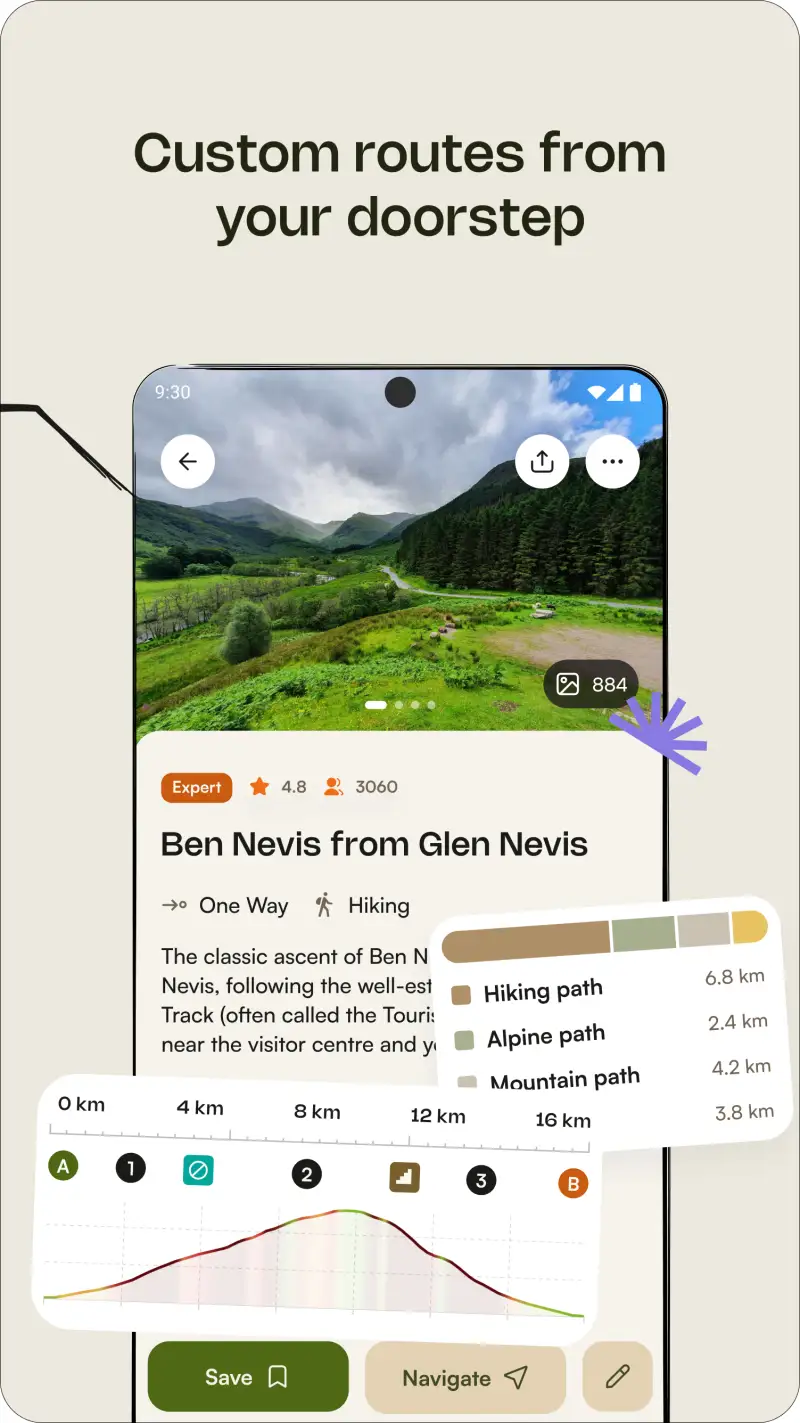
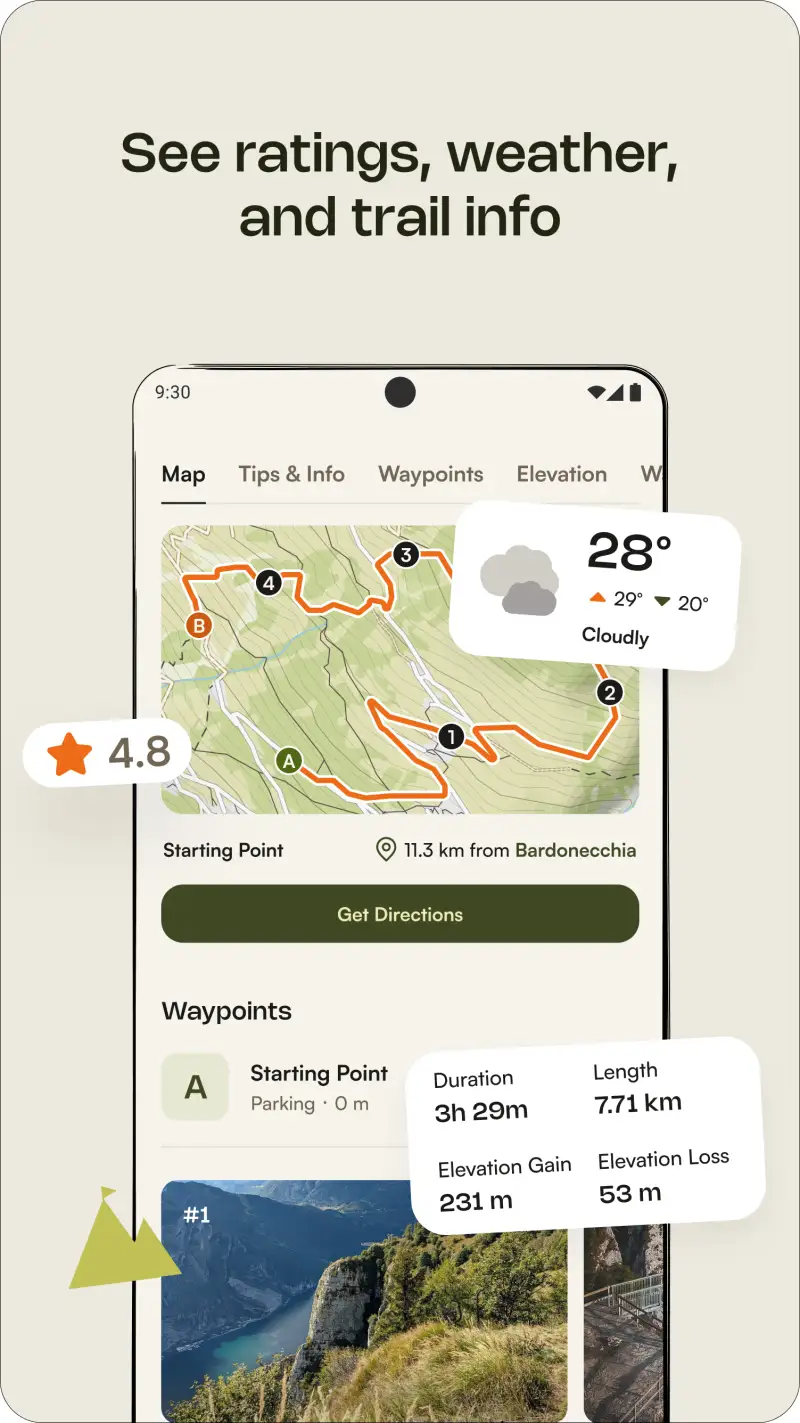
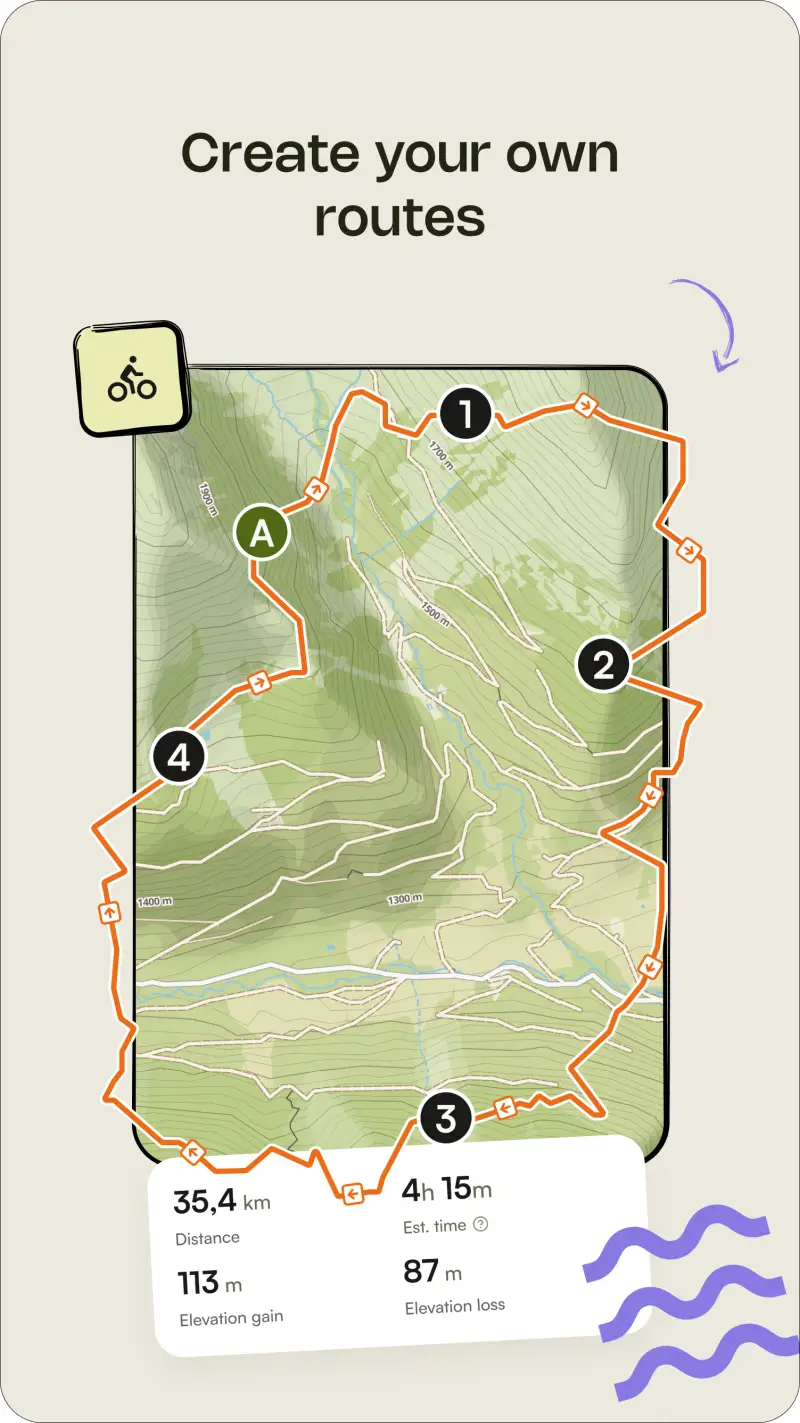
However, Strava’s social and tracking focus means its navigation capability for unfamiliar terrain is limited compared to dedicated routing tools. Komoot solves the route planning problem that Strava does not: getting from A to B on roads and terrain that actually match your bike and riding style. Its routing engine distinguishes between road bike, gravel bike, and mountain bike requirements - generating routes accordingly, with paved sections separated from gravel tracks on the elevation profile before you commit.
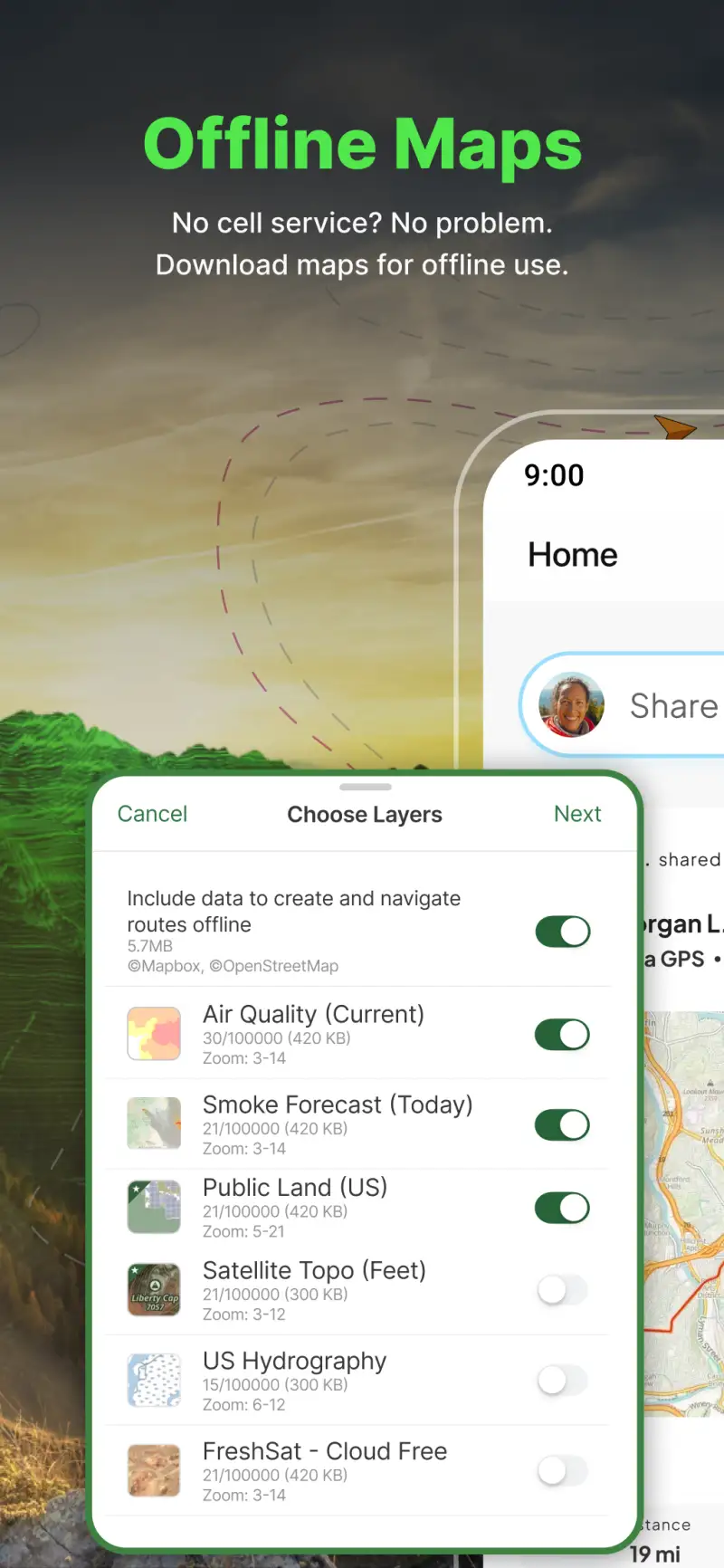
The 160,000+ community gravel routes make Komoot the best discovery tool for cyclists exploring unfamiliar areas. Turn-by-turn voice navigation works reliably on technical terrain, giving junction-specific instructions rather than generic prompts that arrive too late. Offline maps ensure navigation continues when cellular coverage disappears in remote riding areas.
What Komoot does well
- Surface-aware routing: paved, gravel, dirt, and singletrack distinguished at planning stage; generates routes appropriate for your specific bike type rather than defaulting to paved roads
- Elevation profiles with gradient detail: see every climb before committing; gradient percentage and surface type visible in route preview
- 160,000+ community gravel routes globally: discovery tool for cyclists exploring unfamiliar regions; routes contributed by local cyclists who know the terrain
- Reliable turn-by-turn voice navigation off-road: junction-specific instructions that arrive before the turn, not after; works reliably where road navigation apps struggle
- Offline maps: download regions before departure; navigation continues without cellular coverage
Where Komoot falls short
The 2025 pricing change moved Garmin and Wahoo device sync behind the Premium tier (~€4.99/month) - a previously free feature that generated significant user backlash on migration. Trail database density is weaker in North America compared to Europe, reflecting Komoot’s German origins. No training analytics exist in Komoot; it does not track FTP, heart rate zones, or training load.
Pricing: Free (one local region) / €29.99 one-time (worldwide maps) / ~€4.99/month Premium (device sync, advanced features)
Best combined with Strava: Komoot handles route planning and navigation, Strava handles social recording and segments. Most gravel and recreational cyclists run both. Use Komoot’s worldwide pack (€29.99 one-time) if you ride in multiple regions or countries regularly.
Zwift - Best for Indoor Training With Social Motivation
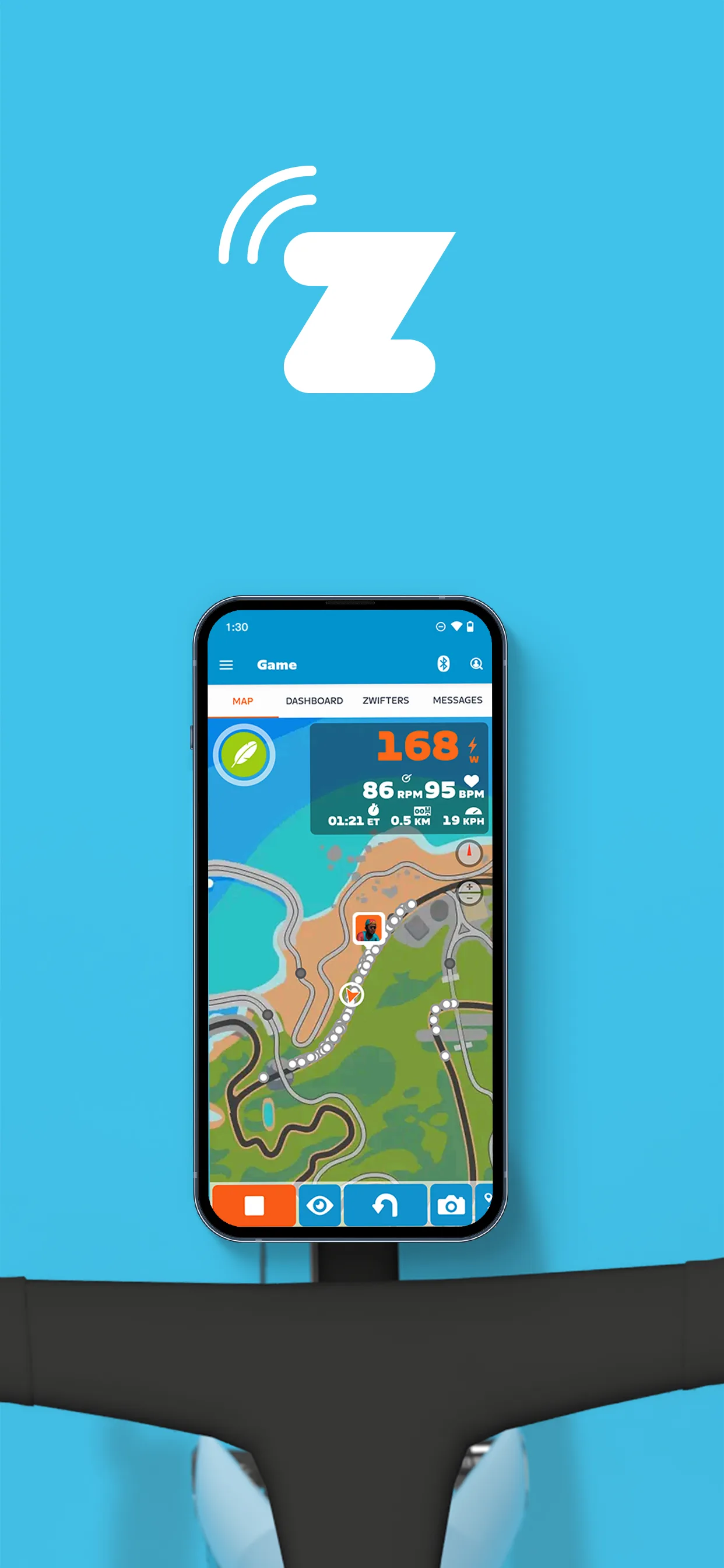
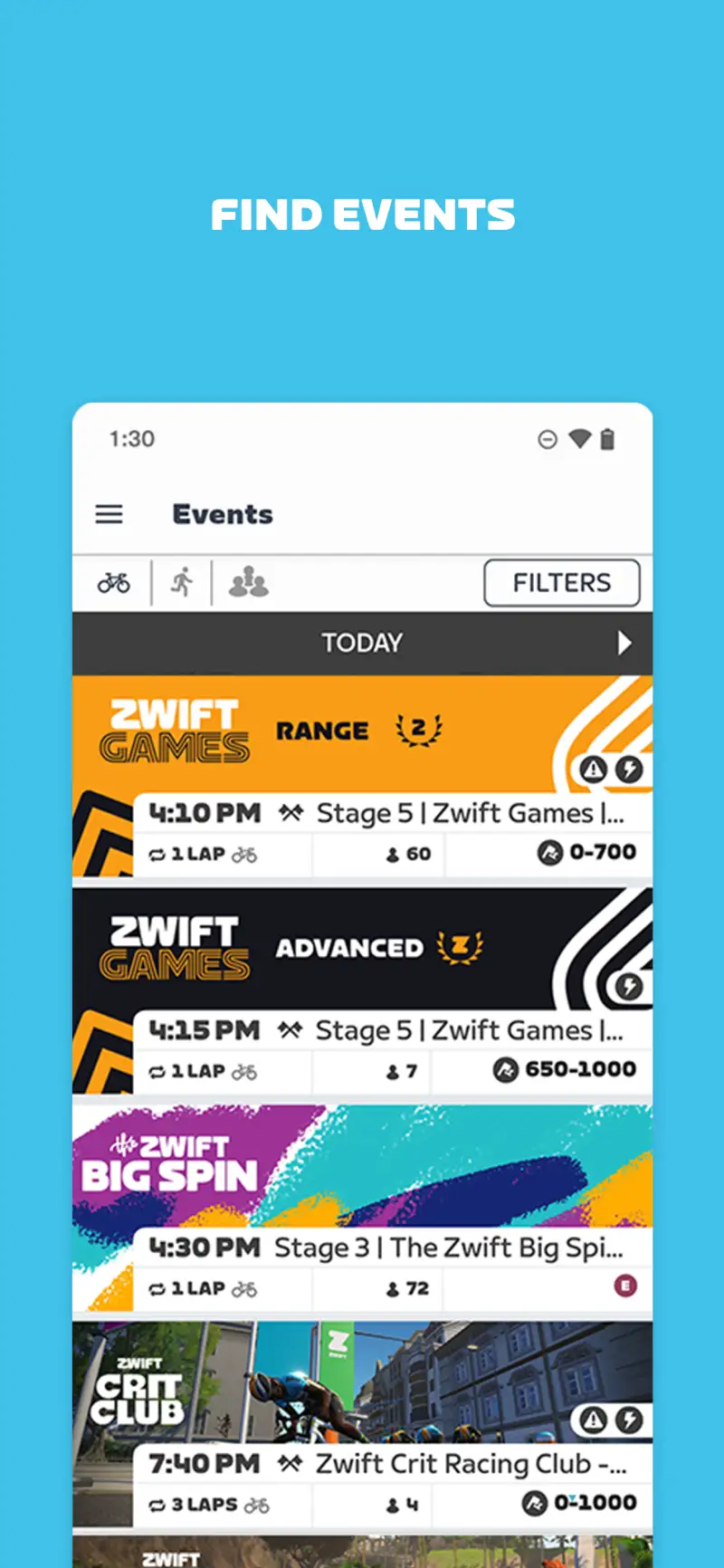
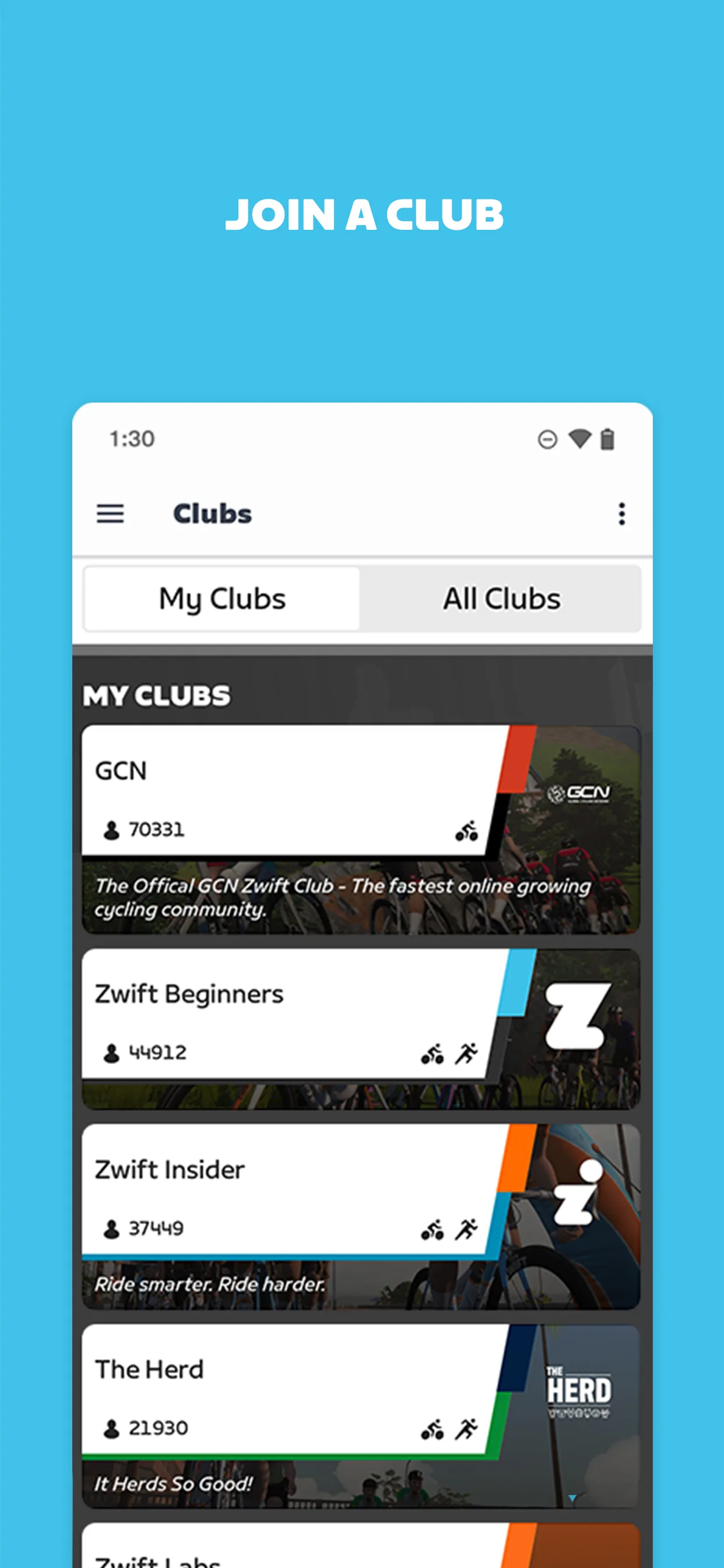
Building on the social motivation that Strava provides for outdoor riding, Zwift extends it into the indoor training environment. 1M+ active subscribers ride through 12 virtual worlds, join group rides running continuously across all time zones, and compete in a structured e-racing ecosystem that ranges from casual weekly rides to the Zwift Racing League with categories for all power levels.
The 33% price increase in May 2024 ($14.99 → $19.99/month) followed by removal of the free 25km/month allowance in 2025 changed the value calculation significantly. At $199.99/yr, Zwift is the most expensive of the main indoor platforms by annual price - justified for cyclists who genuinely engage with social riding and racing, harder to justify for those using it as solo interval training background.
What Zwift does well
- Group rides running continuously: riders in every time zone make group rides available around the clock; social indoor riding without coordinating external schedules
- Zwift Racing League: structured e-racing with categories for all power levels; the competitive indoor cycling ecosystem that competing platforms lack
- 12 virtual worlds, 150+ routes: visual variety that sustains engagement through long indoor training blocks
- Training plans and structured workouts included: sufficient for general fitness goals without requiring a separate training platform
- Gamification: XP, badge unlocks, and avatar progression create ongoing engagement beyond simple workout completion
Where Zwift falls short
The 33% price hike in May 2024 and subsequent free tier removal priced out casual users. Cartoon-style visual aesthetics are dated compared to MyWhoosh’s more realistic 3D graphics. For pure FTP improvement, TrainerRoad’s adaptive AI produces better results than Zwift’s less sophisticated training plans.
Pricing: $19.99/month or $199.99/year / 14-day free trial
Social indoor riding and structured virtual racing are Zwift’s specific strengths. If the community keeps you on the trainer, Zwift is the right choice. If you need maximum FTP improvement without social entertainment, TrainerRoad is more effective.
TrainerRoad - Best for Indoor Performance Training

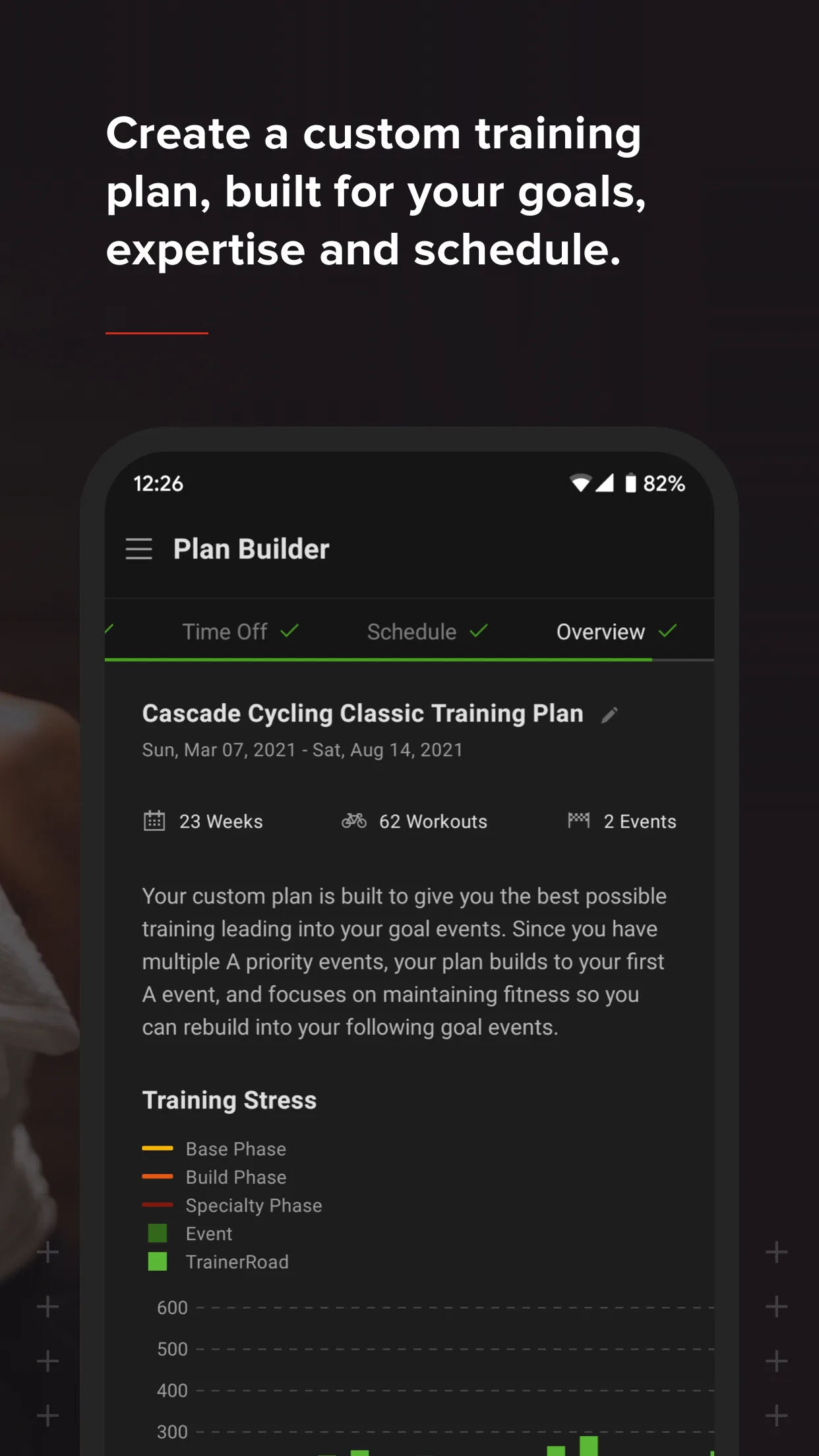
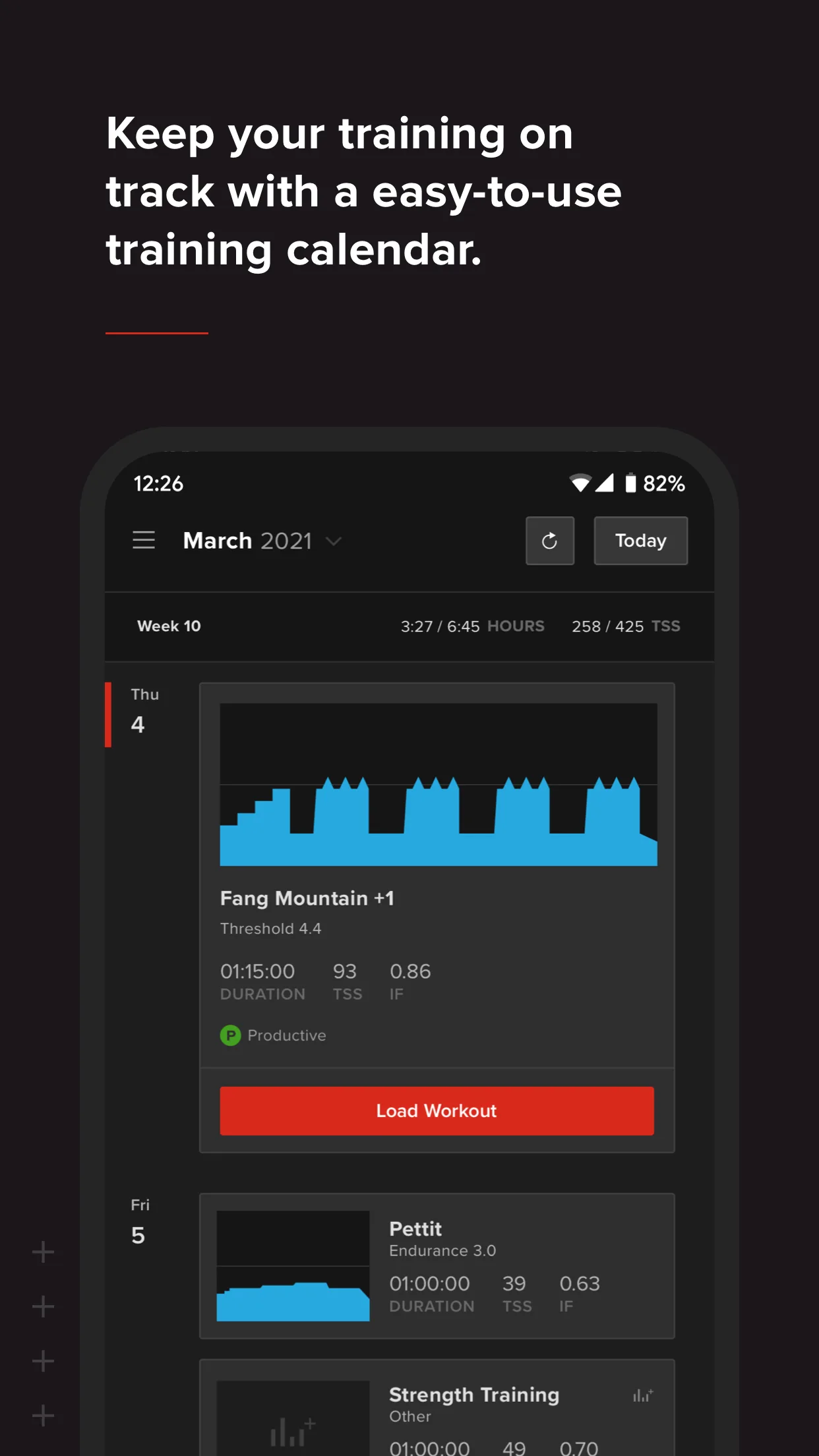
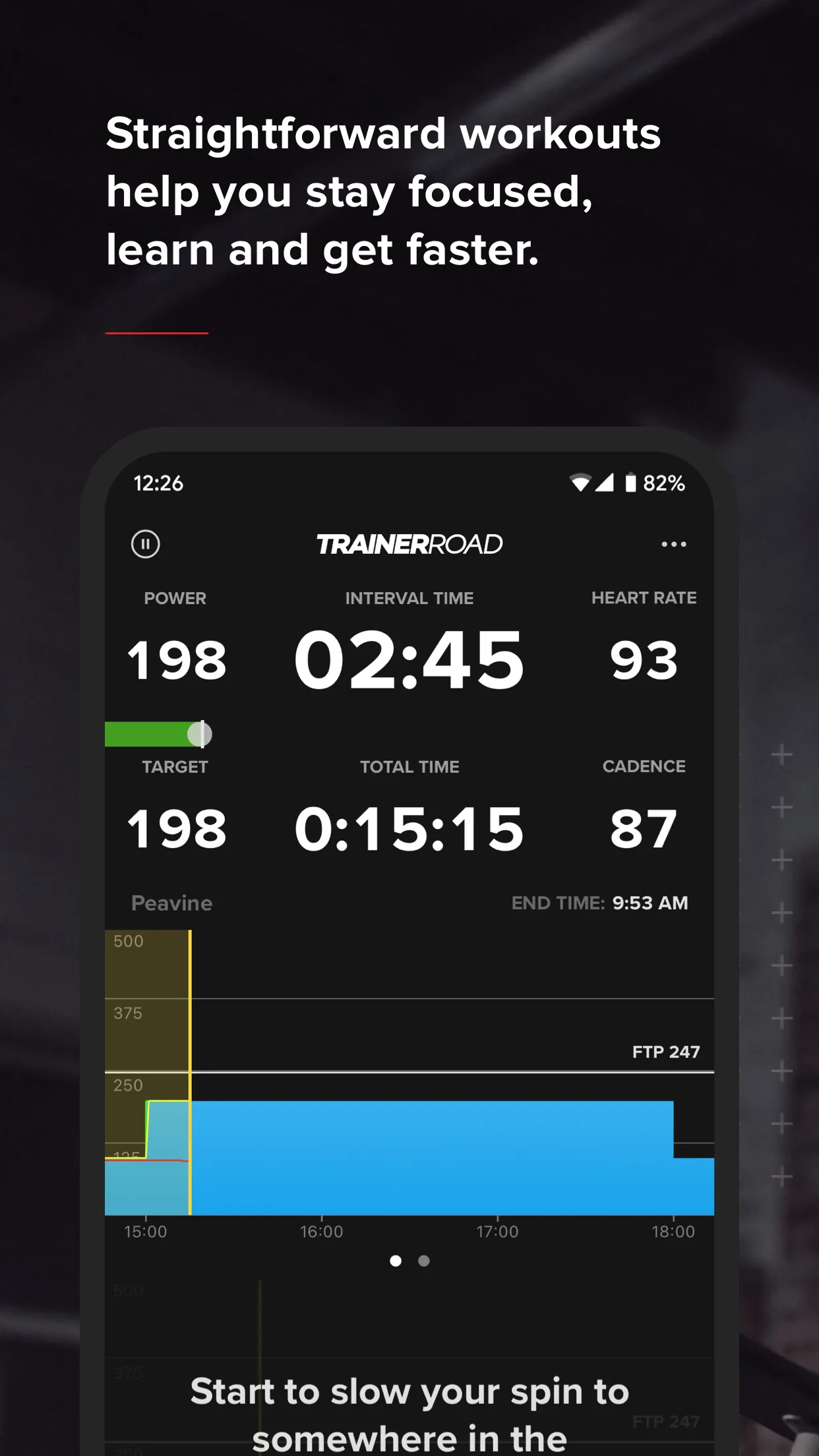
Additionally, for cyclists whose primary goal is FTP improvement rather than social virtual riding, TrainerRoad’s adaptive AI makes it the most effective training platform tested. Average users gain 8 watts in FTP during the first 4 weeks of structured training - a specific, documented outcome that no competing platform makes comparable claims for. The Adaptive Training system re-simulates the optimal training path after every ride, skip, or calendar change, adjusting targets based on actual athlete response rather than a fixed schedule.
TrainerRoad is entirely utilitarian: no virtual worlds, no avatars, no group rides. Progression Levels track fitness across 7 separate training zones (endurance, tempo, sweetspot, threshold, VO2max, anaerobic, sprint) rather than only overall FTP, providing granular insight into which specific zones are developing and which are lagging.
What TrainerRoad does well
- Adaptive Training AI: re-simulates optimal training path after every session; adjusts for missed workouts, harder-than-expected performances, and calendar changes automatically
- Progression Levels across 7 zones: separate fitness tracking per training zone reveals specific limiters more precisely than overall FTP alone
- 3,000+ workouts, 100+ training plans: covers road, gravel, mountain biking, and triathlon disciplines; structured training for every cycling context
- TrainNow: daily workout recommendation based on current fitness and fatigue level; useful for athletes with variable schedules who cannot always follow a fixed plan
- ERG mode reliability: precise resistance control for smart trainer workouts; the training tool that requires a smart trainer for full functionality
Where TrainerRoad falls short
Most expensive indoor app at $209.99/yr with no free trial - only a 30-day money-back guarantee. Requires a smart trainer for full functionality; useful but limited for athletes without one. No virtual world, no races, no social rides - entirely utilitarian, which suits performance-focused cyclists and alienates motivation-seeking ones.
Pricing: $21.99/month or $209.99/year / 30-day money-back guarantee (no free trial)
If you can answer “what is my FTP?” and want to improve it systematically, TrainerRoad is the right platform. If you need motivation to get on the trainer first, start with MyWhoosh or Zwift before committing to TrainerRoad’s utilitarian approach.
MyWhoosh - Best Free Indoor Cycling Platform
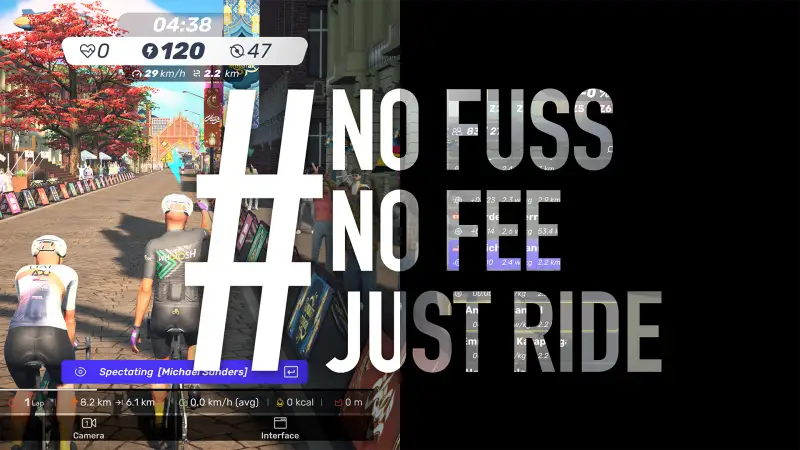
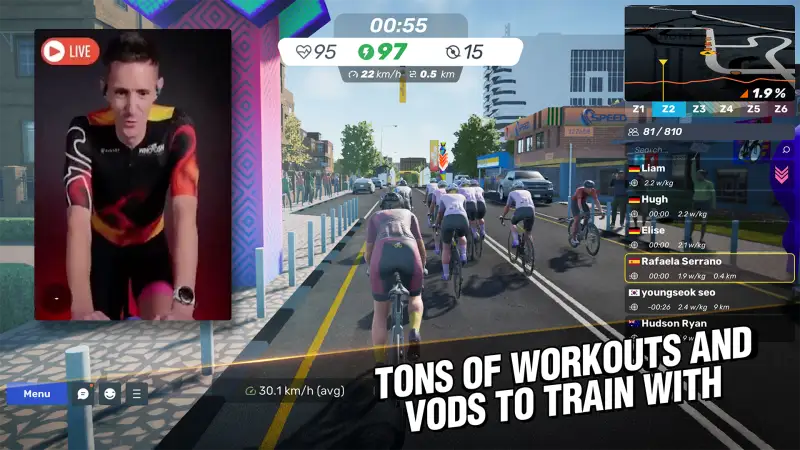

MyWhoosh is perhaps the most significant development in indoor cycling since Zwift launched: a genuinely free virtual platform with realistic 3D graphics, $90,000 monthly cash-prize races, and UCI Cycling Esports World Championship hosting through 2026. There is no catch - no free tier limitations, no subscription, no time restrictions.
The comparison to Zwift is straightforward: fewer worlds (currently 7 versus Zwift’s 12), smaller community, and a less established racing ecosystem, in exchange for zero subscription cost. For budget-conscious cyclists and those new to indoor riding, trying MyWhoosh before paying $199.99/yr for Zwift is straightforwardly rational.
What MyWhoosh does well
- Completely free: no subscription, no usage limits, no free-tier restrictions; the entire platform including group rides, racing, and training plans is accessible at zero cost
- Realistic 3D graphics: widely reviewed as visually superior to Zwift’s cartoon aesthetic; more realistic mountain terrain and environmental detail
- $90,000 monthly prize races: equal gender split; competitive e-racing with real cash incentives, the only free platform offering this
- UCI Cycling Esports World Championship hosting through 2026: institutional credibility that validates the platform’s competitive racing legitimacy
- Rowing mode with Concept2 support (2026): cross-training within the same platform for cyclists who also row
Where MyWhoosh falls short
The smaller community means fewer active group rides outside peak hours - connecting with other riders at off-peak times (early morning, late night) is harder than on Zwift. Less established competitive racing ecosystem means fewer experienced racers setting performance benchmarks. UAE-based company with shorter operational history than Zwift raises long-term sustainability questions that do not exist for an established platform.
Pricing: Free
Try MyWhoosh before committing to any paid indoor subscription. If the community activity level works for your schedule, the indoor motivation problem is solved without spending $199.99/yr.
Which App Fits Your Riding
| App | Annual Cost | Best For | Outdoor/Indoor | Performance Analytics |
|---|---|---|---|---|
| Strava Premium | $79.99/yr | Social tracking + segments | Outdoor primary | Moderate |
| Komoot | €29.99 one-time | Route planning + navigation | Outdoor | None |
| Zwift | $199.99/yr | Social indoor + virtual racing | Indoor | Basic |
| TrainerRoad | $209.99/yr | FTP improvement + structured training | Indoor | Best |
| Wahoo SYSTM | $179.99/yr | All-around indoor + multisport | Indoor | Good |
| MyWhoosh | Free | Free virtual riding + e-racing | Indoor | Basic |
New cyclist tracking first rides
Strava free + Komoot free (one region). Zero cost covers GPS tracking, route planning for familiar area, and social activity feed. Upgrade only when specific limitations become relevant.
Recreational cyclist preparing for a sportive or gran fondo
Strava Premium ($79.99/yr) for segment competition and training consistency. Komoot worldwide pack (€29.99 one-time) for route planning beyond your home region. Total: ~$110/year covers the complete recreational stack.
Serious cyclist improving FTP with structured training
TrainerRoad ($209.99/yr) with Strava free for social recording alongside structured training. Use TrainerRoad’s 30-day money-back to verify the adaptive training approach suits your training style before committing.
Cyclist who needs indoor motivation through winter
Try MyWhoosh free first - if group ride timing and community size work for your schedule, the problem is solved at zero cost. Use Zwift’s 14-day trial if MyWhoosh community activity is insufficient for your time zone. Pay Zwift $199.99/yr only if it specifically resolves the motivation problem.
Gravel or adventure cyclist exploring new regions
Komoot worldwide pack (€29.99 one-time) as the primary planning tool. Strava free for social recording. Gaia GPS ($39.99/yr) if backcountry navigation with offline topo becomes necessary.