The bike leg in a full Ironman runs 112 miles - roughly 5 to 7 hours for most age-group athletes - and the training volume required to execute it well is too large to schedule entirely outdoors. Zwift has 1 million+ active subscribers because it solved a problem that no previous platform had: making indoor cycling genuinely engaging rather than a test of willpower. TrainerRoad’s Adaptive Training AI, trained on 250 million+ athlete activities, produces measurable FTP gains that follow-along videos and generic trainer apps cannot replicate. Wahoo SYSTM goes further by integrating cycling, running, swimming, strength, and mental training into a single subscription. ROUVY holds the Official IRONMAN virtual training platform license, giving athletes targeting a specific Ironman event the ability to ride the actual course virtually before race day.

After testing 6 indoor training apps on Pixel 8 and Samsung Galaxy S24 running Android 15, paired with a Wahoo KICKR smart trainer, specifically for triathlon indoor training contexts in 2025-2026, I found four that serve the distinct ways triathletes use indoor training platforms.
Who this is for: Triathletes who do meaningful indoor cycling volume - winter training, urban riding constraints, or structured early-morning sessions on a smart trainer. If you want a complete triathlon training platform for season planning and coach-athlete management, the self-coached guide and coached athletes guide cover those needs. If you are preparing for your first triathlon, the beginners guide is the right starting point.







What Triathlon Indoor Training Apps Actually Need to Deliver
Indoor cycling apps serve triathlon athletes differently than they serve pure cyclists. Three capabilities matter in ways that general cycling platforms often address incompletely.
Smart Trainer ERG Mode That Holds Power Targets Reliably
A threshold session at 265 watts for 4 by 12-minute intervals requires the trainer to hold that power regardless of cadence variation. When ERG mode implementation is loose - drifting 15+ watts above or below target - the session loses its training stimulus. All four apps reviewed here support ERG mode, but their implementations differ in responsiveness and stability. Testing on a Wahoo KICKR smart trainer revealed differences in how quickly each app settled to target power after interval transitions, with TrainerRoad and ROUVY settling faster than others across repeated intervals.
Integration With the Full Triathlon Training Stack
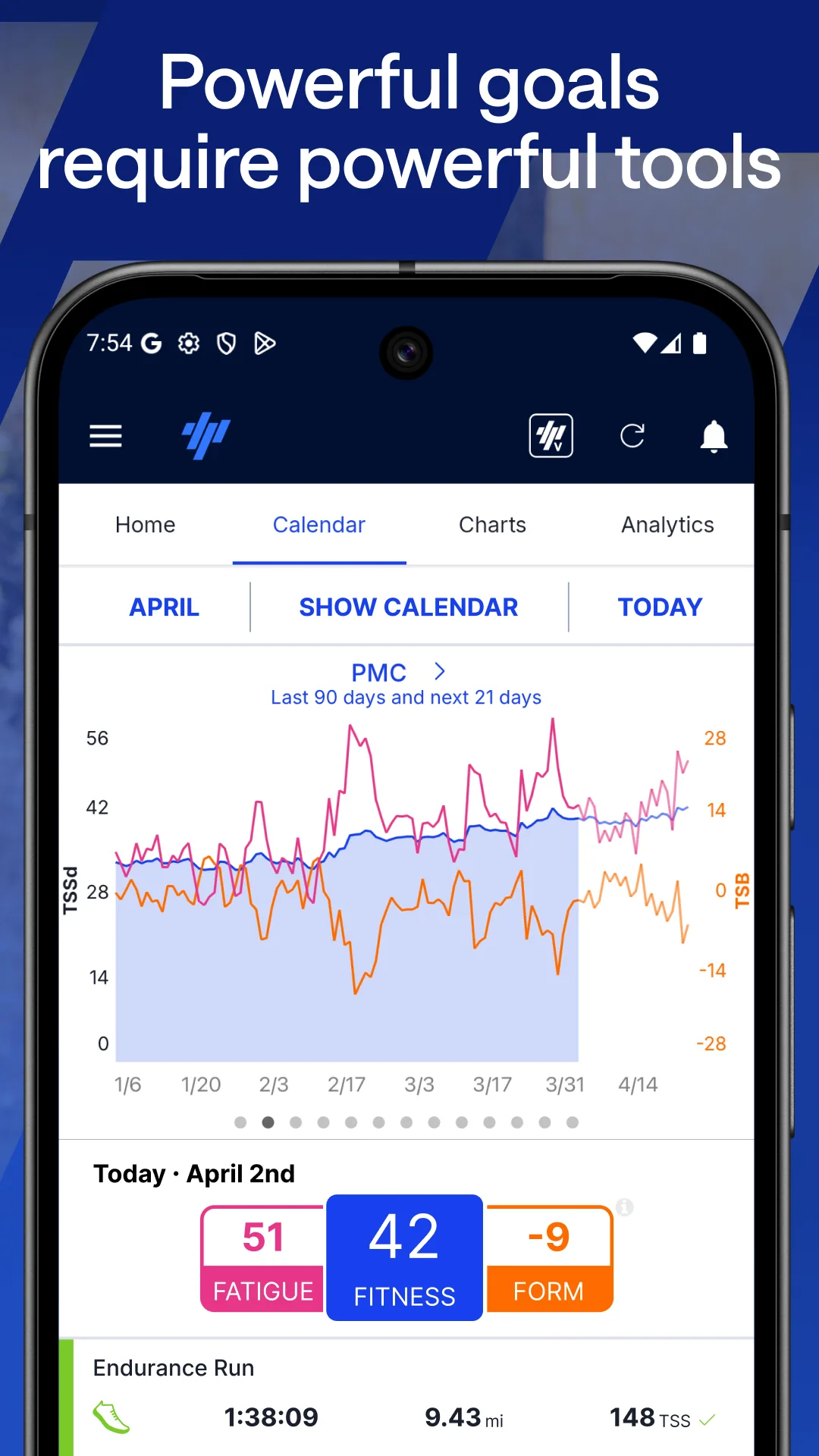
A triathlete using TrainingPeaks for analytics needs indoor sessions to flow into the PMC automatically. One using TriDot needs the platform to count the session toward Training Stress Score without manual entry. When indoor rides exist in a separate data silo that requires CSV export and manual import to reach the coaching platform, compliance tracking breaks down. Garmin Connect serves as the universal relay hub that most triathletes use to ensure data reaches wherever analytics happen.
Bike-Leg-Specific Training Depth for Long-Course Athletes
Most indoor platforms are built around 45-to-90-minute interval sessions. Ironman-focused athletes need base-building sessions of 3 to 4 hours on the trainer - the kind of long aerobic work that builds Ironman bike fitness but that most indoor platforms provide little structure for. ROUVY’s real-world video routes support multi-hour riding without the engagement fatigue that short-loop Zwift worlds create. Wahoo SYSTM includes dedicated long aerobic videos designed for extended base sessions.
Zwift - Best for Social Engagement and Virtual Racing
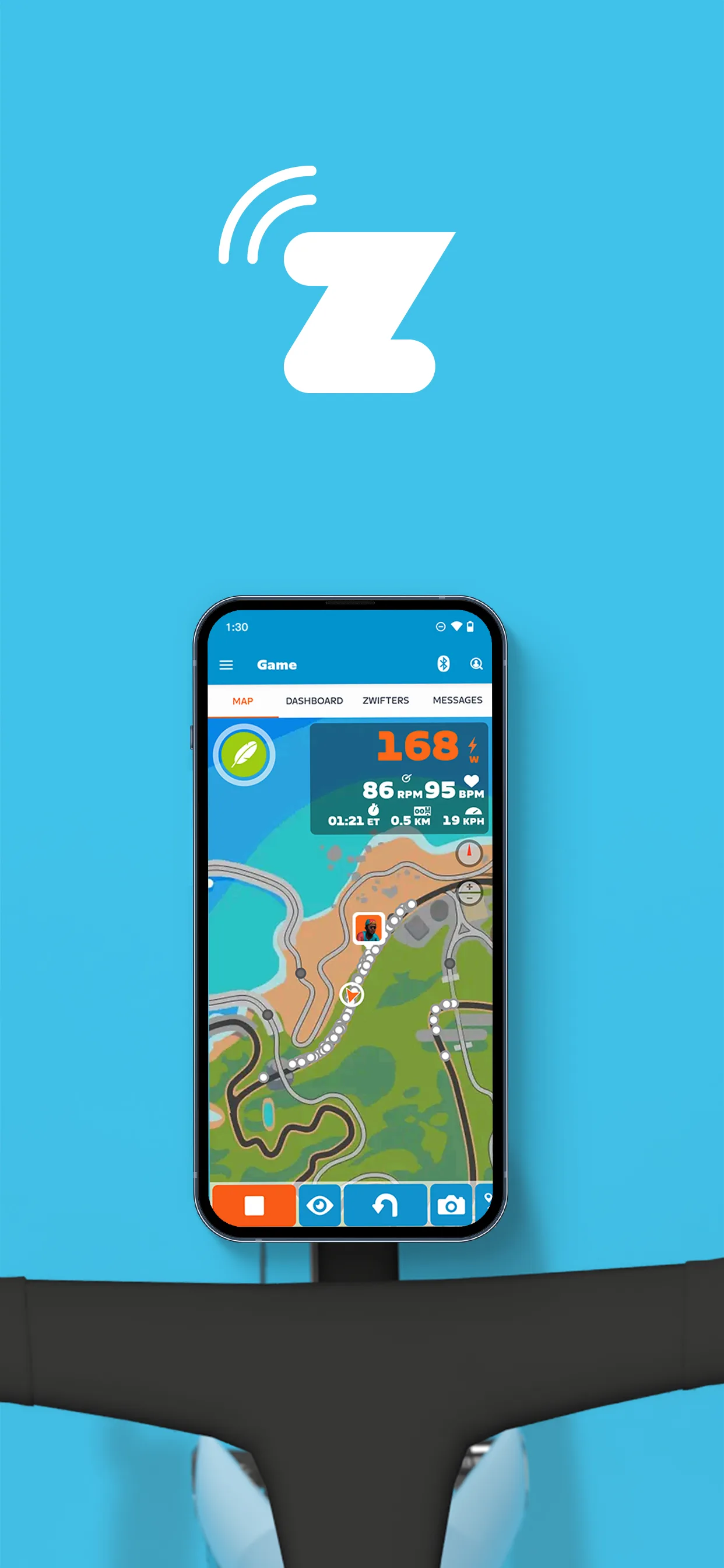
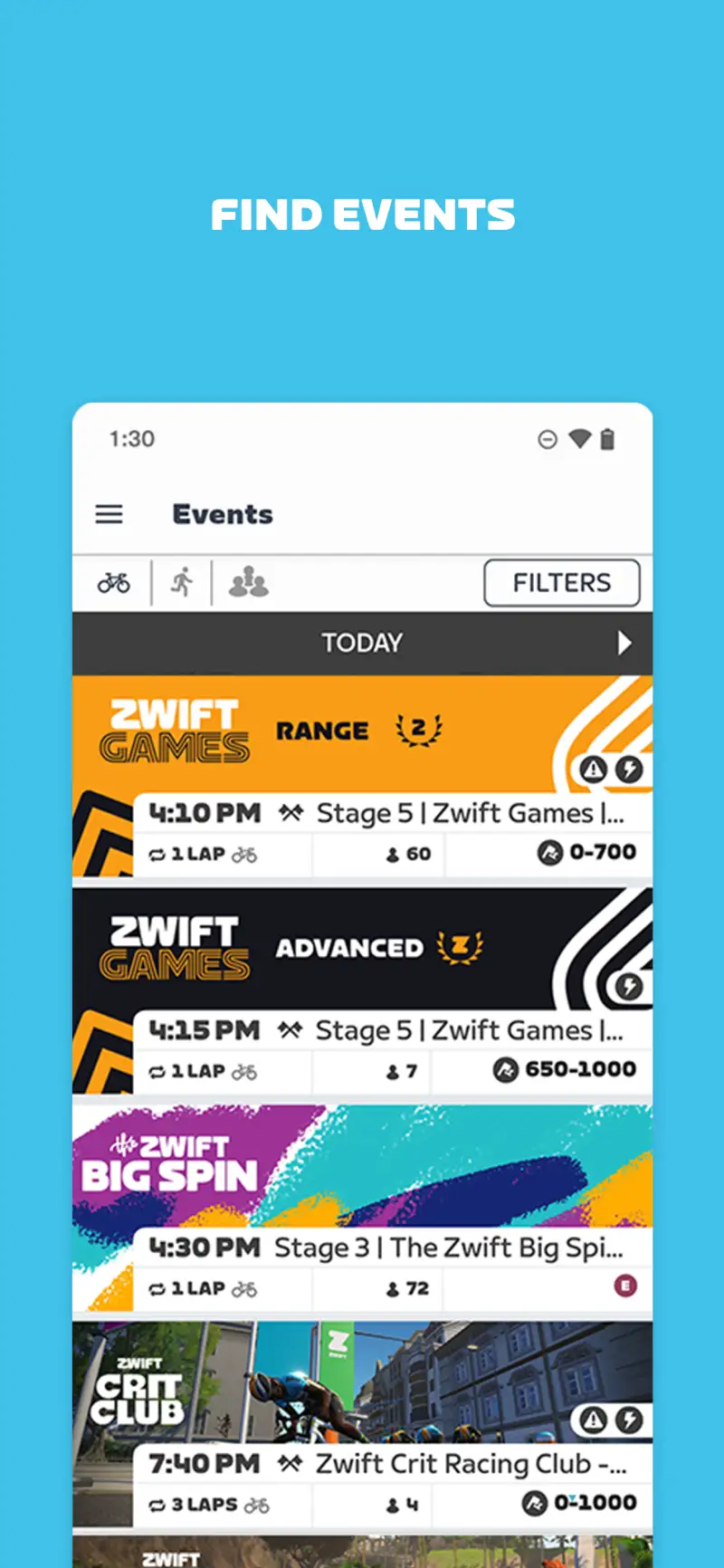
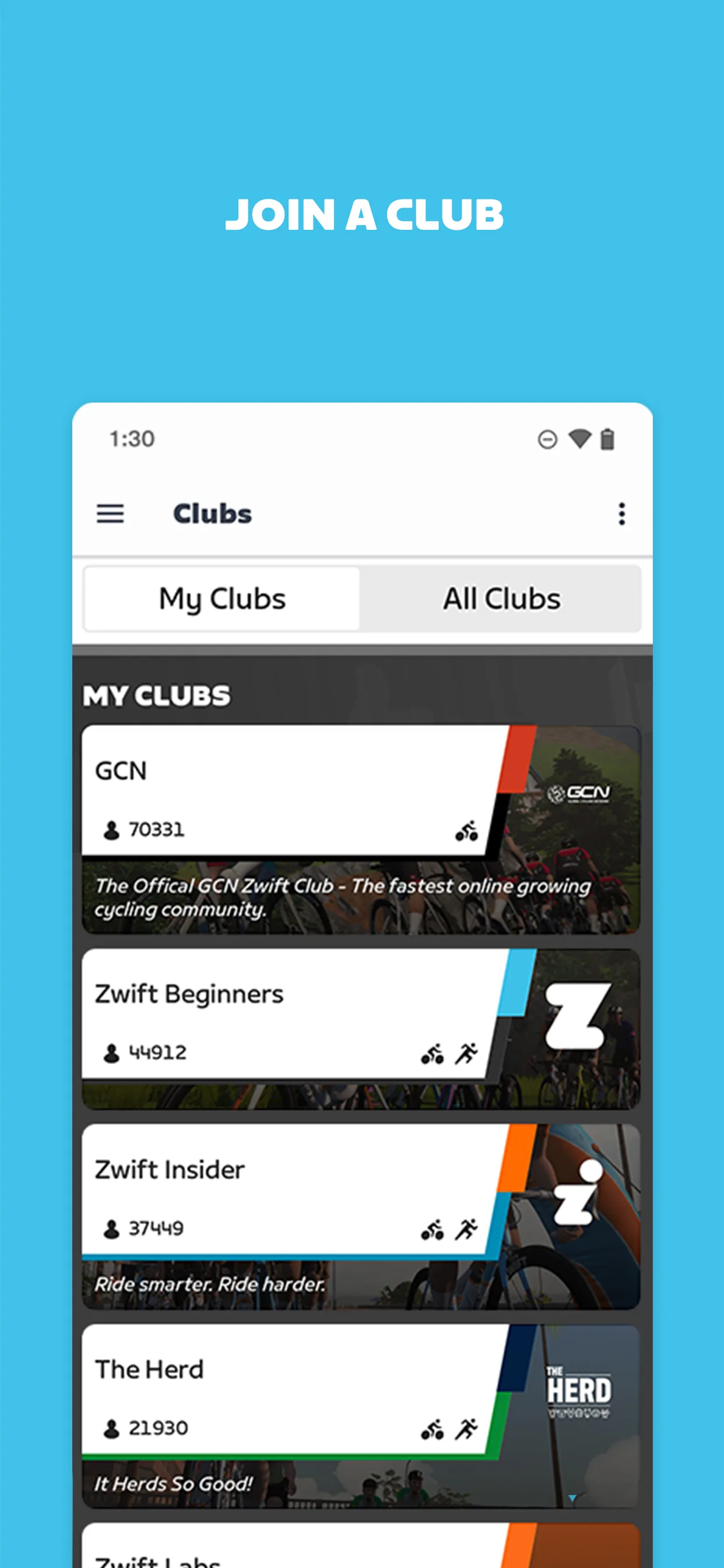
Zwift’s defining contribution to indoor training is not technical sophistication - it is that it makes indoor cycling feel like something worth doing rather than something to endure. The 3,000+ km of virtual roads across 12+ worlds, structured group rides running around the clock, and competitive racing schedule create an environment where triathletes log additional indoor volume they would not otherwise accumulate, simply because the platform makes that volume enjoyable.
The social mechanics are the primary differentiator. Zwift Racing League provides structured team-based competition across the season. Zwift Academy annually offers amateur athletes a pathway to semi-professional racing contracts. Group rides organized by local clubs run with real riders visible in the virtual world - the experience of riding alongside others indoors is closer to outdoor group cycling than any text can capture. The December 2025 updates added real-time draft indicators and an improved Progress Report screen; 2025 also saw 60 new routes, more than any previous year, and 8 new Climb Portal segments.
What Zwift does well
- Virtual world engagement: 3,000+ km of roads across Watopia, Makuri Islands, New York, London, France, and other worlds; varied terrain that keeps long sessions visually interesting over multiple months
- Group rides and racing: structured events running 24/7 across all time zones; Zwift Racing League provides season-long competitive structure; real concurrent riders create genuine social presence
- ERG mode and smart trainer control: stable power target execution in ERG mode; tested on Wahoo KICKR with consistent wattage within 3-5 watts of target after interval transitions
- TrainerRoad integration: execute AI-generated TrainerRoad structured workouts inside Zwift’s virtual environment; combines structured training precision with motivational virtual world
- 14-day free trial; annual plan at $199.99 saves 2 months versus monthly
Where Zwift falls short
The 2025 removal of the free 25km monthly allowance eliminated the entry point that casual users and seasonal triathletes relied on. Zwift now requires full subscription to access any riding, which at $19.99 per month represents a 33% increase from the previous $14.99. The triathlete community on Slowtwitch Forum documented the reaction extensively: athletes who used Zwift only during winter months resent paying year-round at the new rate. Running on Zwift (treadmill required) is meaningfully less developed than cycling - events, content, and community are overwhelmingly cycling-focused. Swimming does not exist in the platform. Zwift covers one leg of triathlon.
Pricing: $19.99/month or $199.99/year / 14-day free trial
Zwift works best for triathletes who do high indoor cycling volume across multiple months of the year. If you ride indoors fewer than 3 months annually, consider whether the year-round subscription cost justifies the usage. The TrainerRoad + Zwift combination - executing structured AI-generated workouts inside Zwift’s virtual world - is the highest-value indoor cycling stack for performance-focused triathletes.
TrainerRoad - Best for Structured FTP Training and Measurable Gains
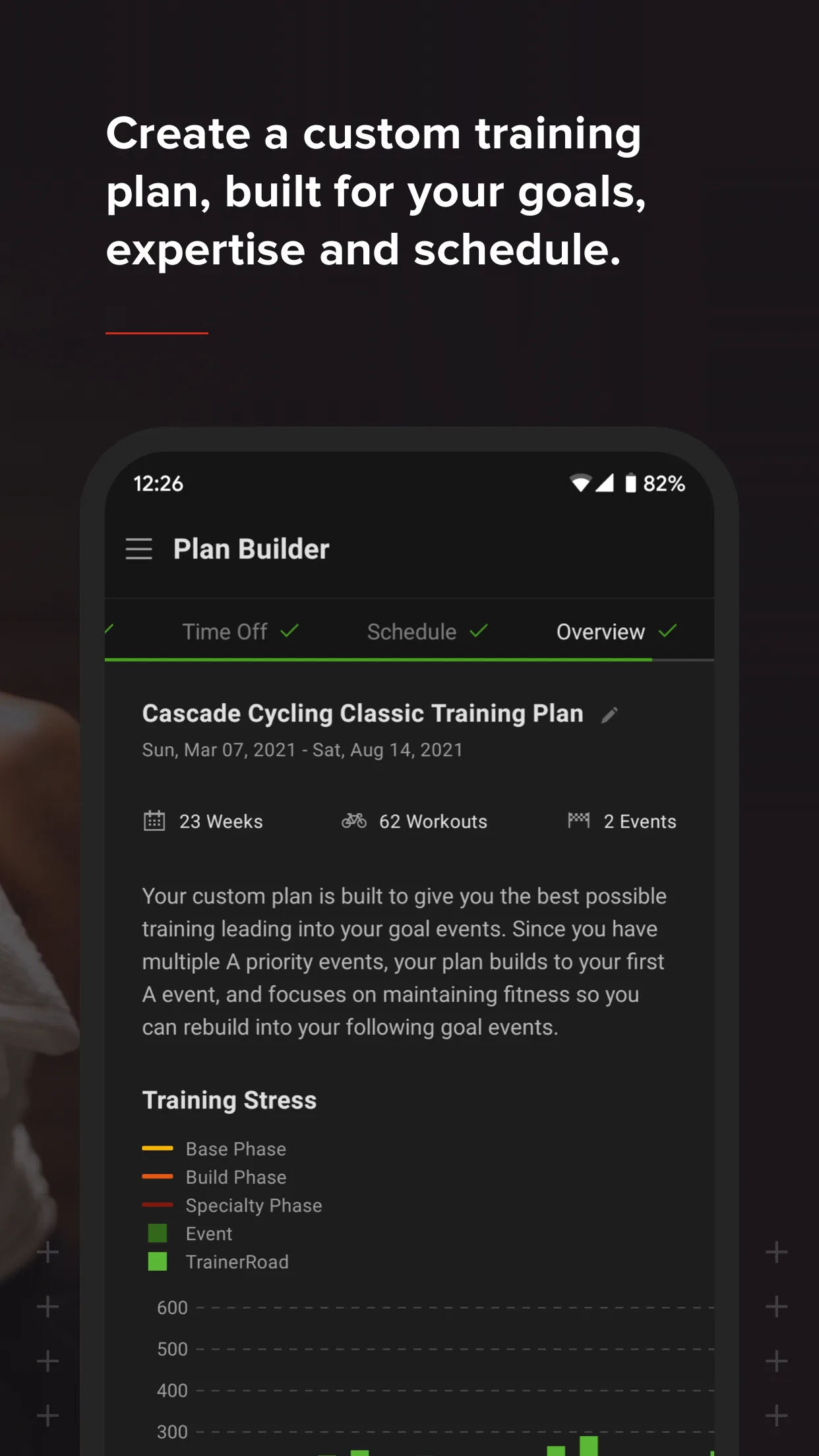
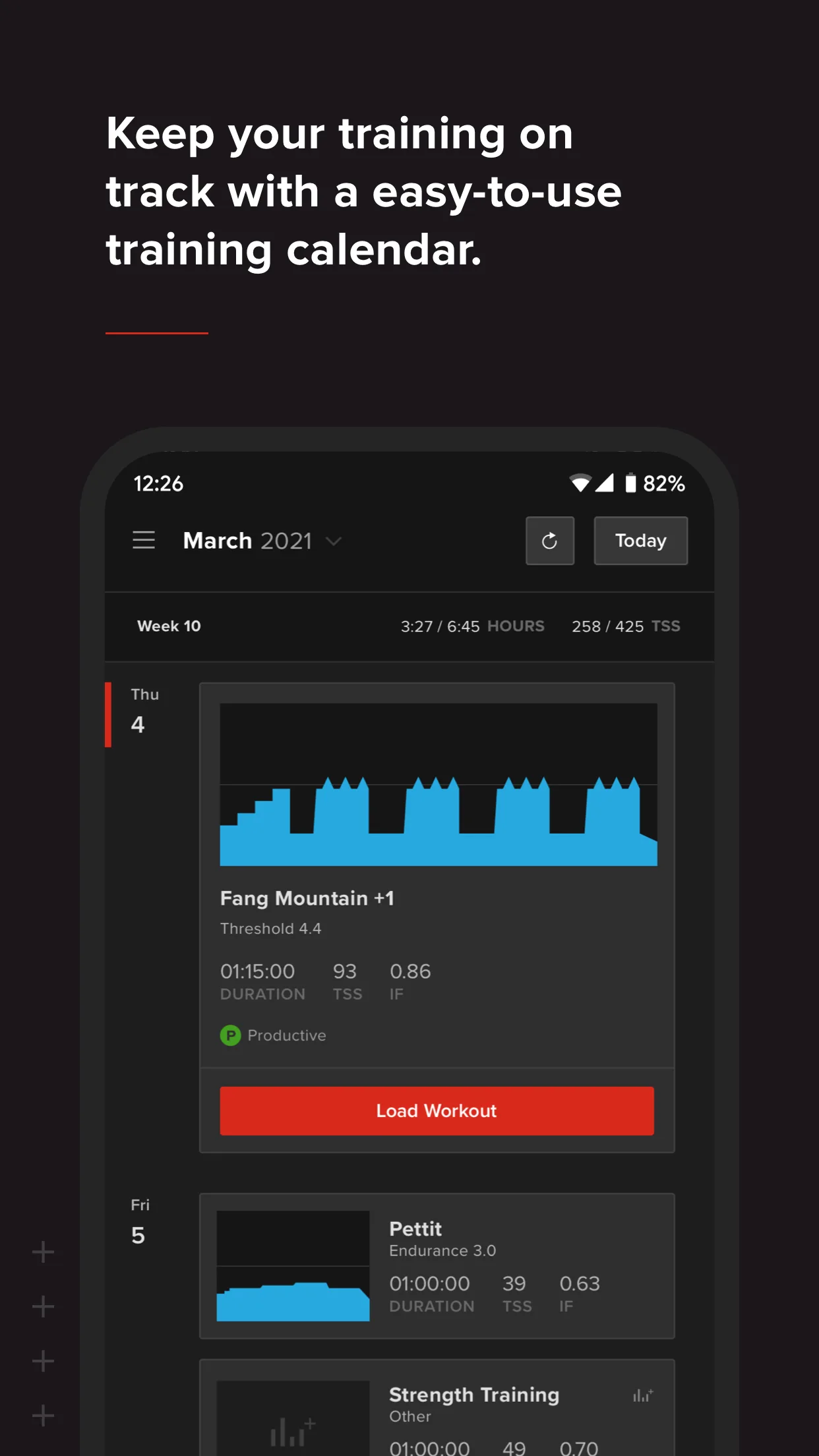
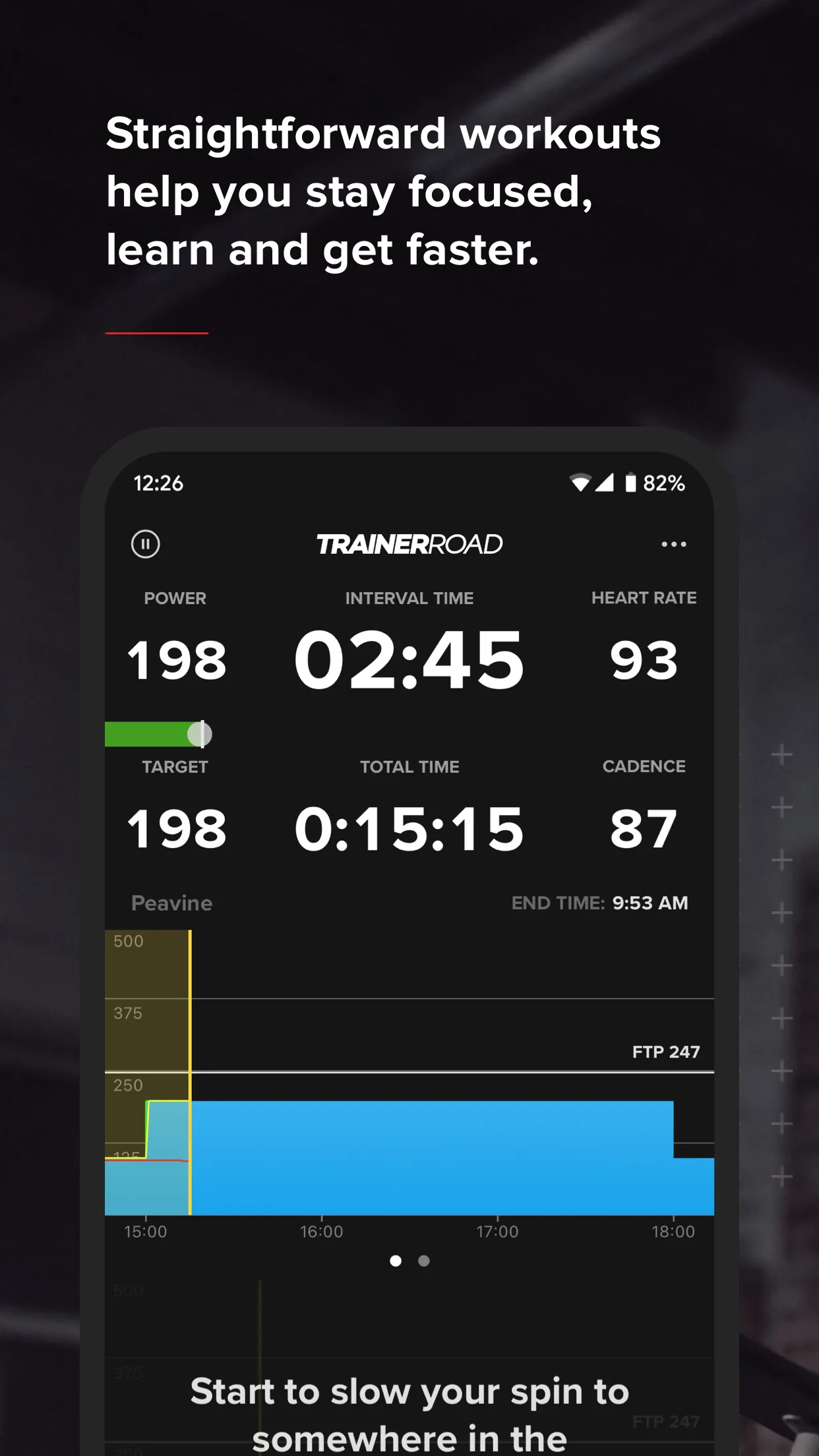
However, Zwift’s social engagement does not replace structured training precision. TrainerRoad’s Adaptive Training AI processes your complete performance history after every session and reshapes upcoming workouts based on actual fitness and fatigue rather than following a static plan that assumes uniform execution. Athletes who complete 7 structured sessions over 4 weeks and see average FTP gains of 8 watts understand why this precision matters at $209.99 per year - that gain translates directly to faster Ironman bike splits.
The Progression Levels system tracks fitness separately across 7 training zones - endurance, tempo, sweetspot, threshold, VO2max, anaerobic, and sprint - rather than collapsing all cycling fitness into a single FTP number. A triathlete who is a strong sweetspot rider but weaker at VO2max efforts sees this reflected in zone-specific progression levels and receives training that addresses the specific weakness rather than generic volume. The triathlon Plan Builder generates structured plans from sprint to full Ironman distance with integrated swim, bike, and run sessions.
What TrainerRoad does well
- Adaptive Training AI: re-simulates the optimal remaining training path after every ride; Progression Levels across 7 zones are more granular than any competing platform’s single-FTP approach
- Triathlon Plan Builder: full Ironman-distance plans with swim, bike, and run integrated; the cycling content depth is unmatched, and the triathlon plans are genuinely triathlon-specific rather than cycling plans with swim/run sessions added
- ERG mode precision: among the fastest ERG mode stabilization tested; power targets settle within one pedal stroke after interval transitions on Wahoo KICKR
- TrainNow daily recommendations: AI-generated single-session recommendations based on current fatigue and fitness when the training plan schedule does not fit the available time
- 3,000+ cycling workouts; 30-day money-back guarantee replaces a free trial
Where TrainerRoad falls short
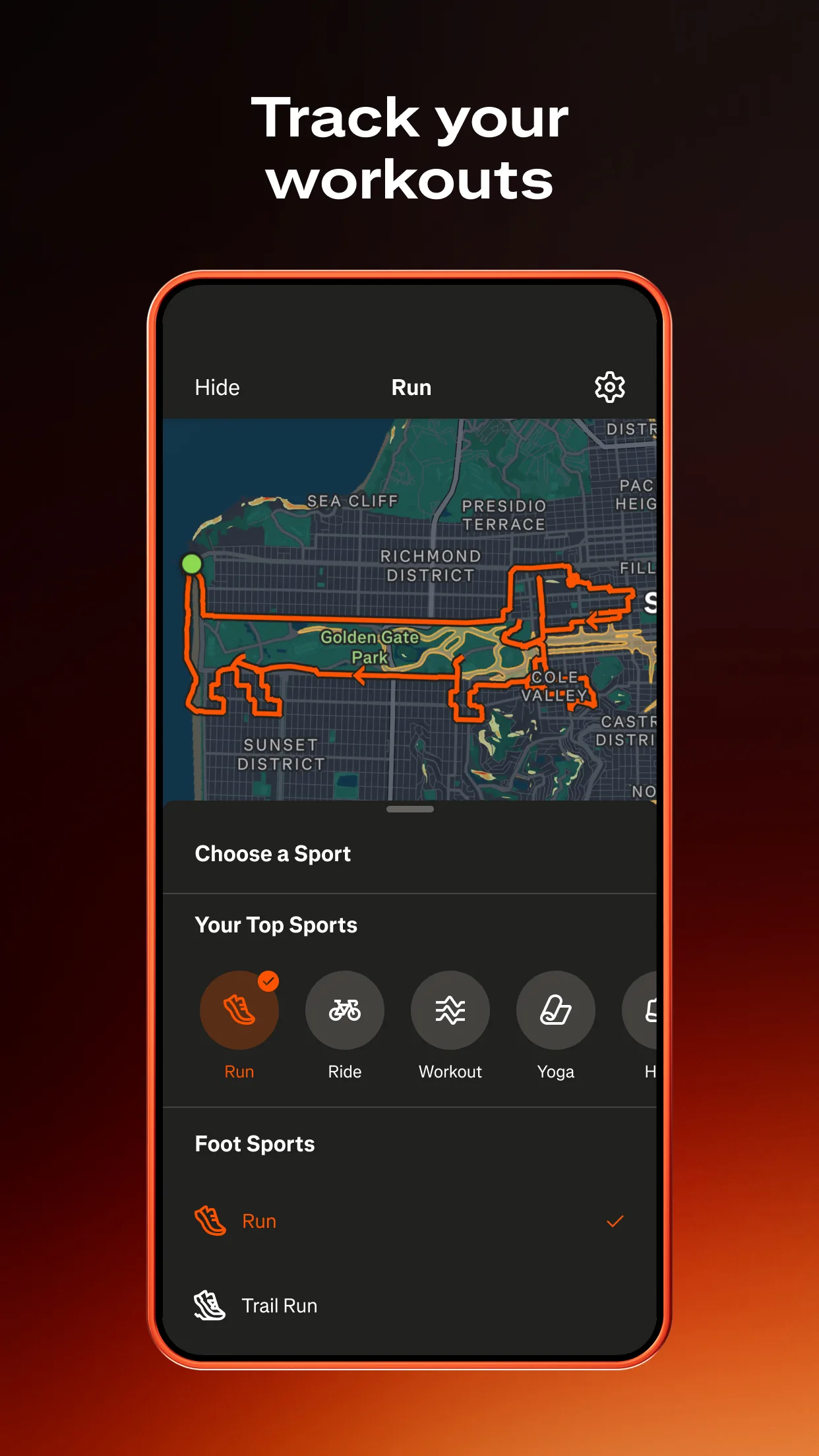
The 62% price increase - from $129 per year to $209.99 per year - is the most significant community friction point in TrainerRoad’s recent history. Slowtwitch Forum threads from early 2025 were largely critical, and the value argument at $209.99 requires more justification than it did at $129. This is particularly acute for triathletes who also pay for TrainingPeaks ($134.99/yr), Zwift ($199.99/yr), and Strava ($79.99/yr) simultaneously - the total software stack cost approaches $600 per year before coach fees. TrainerRoad’s plain interface - no virtual world, no social features, no gamification - suits athletes who want focused training but frustrates those who need motivation to stay on the trainer for long sessions.
Note on TrainingPeaks Virtual: TrainingPeaks Premium ($134.99/yr) now includes TrainingPeaks Virtual, an indoor cycling platform integrated with the TrainingPeaks analytics layer. Athletes already on TrainingPeaks Premium can use it as a zero-additional-cost indoor cycling option. It does not match Zwift’s social community or TrainerRoad’s AI training precision, but it reduces the need for a separate indoor subscription for TrainingPeaks users.
Pricing: $21.99/month or $209.99/year / 30-day money-back guarantee
TrainerRoad suits triathletes whose primary limiter is cycling power and who want a measurable, science-based improvement methodology. Start with the Ramp Test on day one to establish baseline FTP. Use the triathlon Plan Builder to generate a structured plan. Add Zwift for sessions where virtual engagement prevents motivation dropout.
Wahoo SYSTM - Best All-In-One Indoor Training Platform
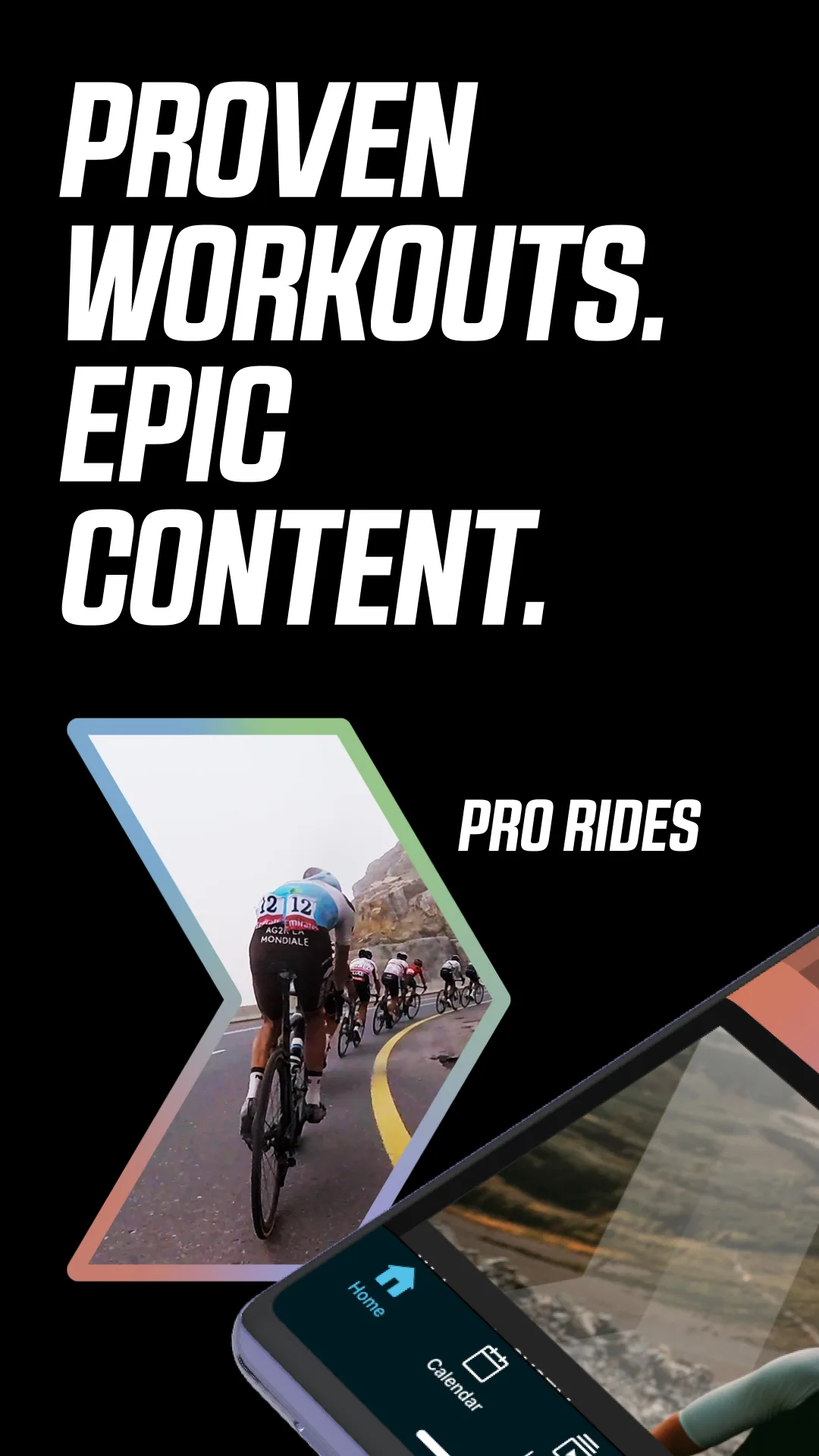
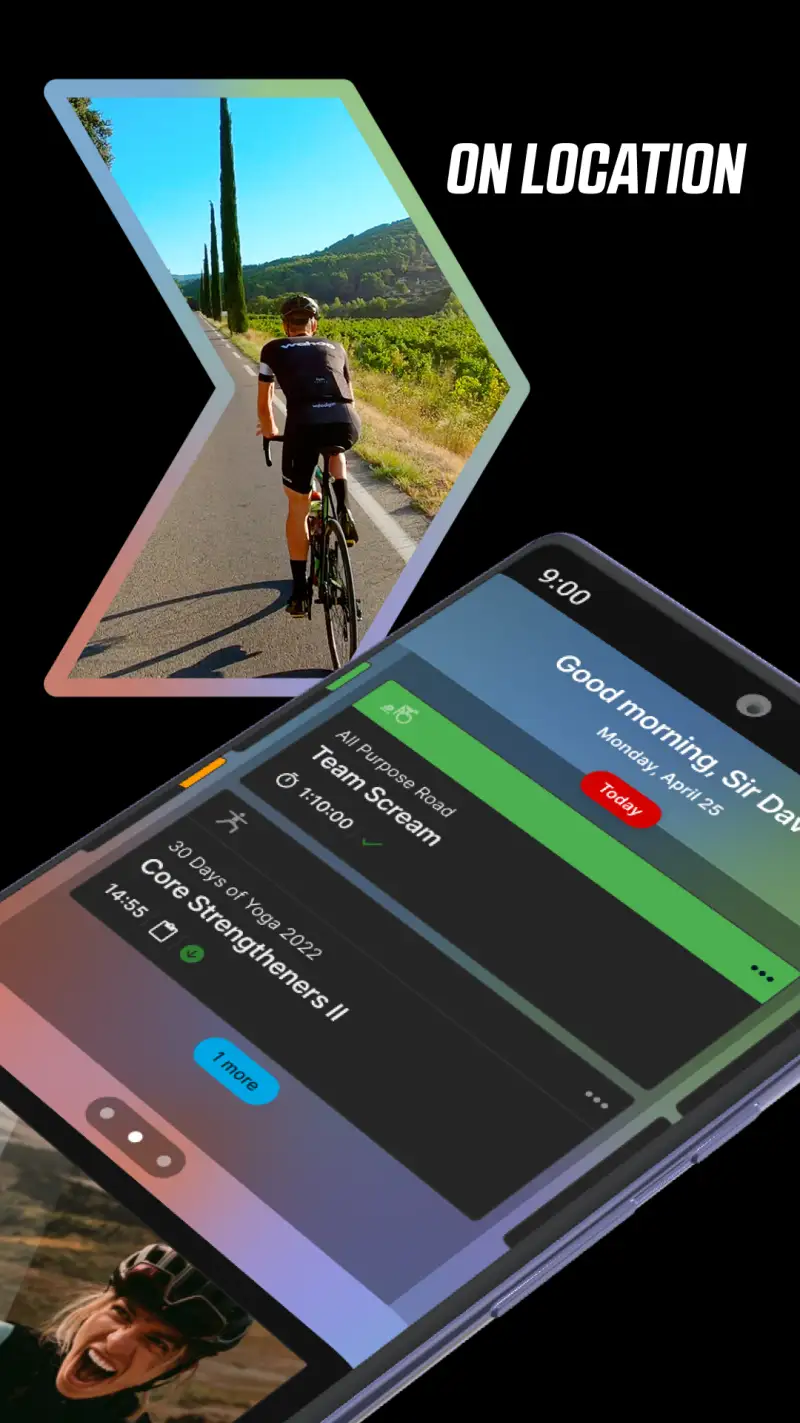
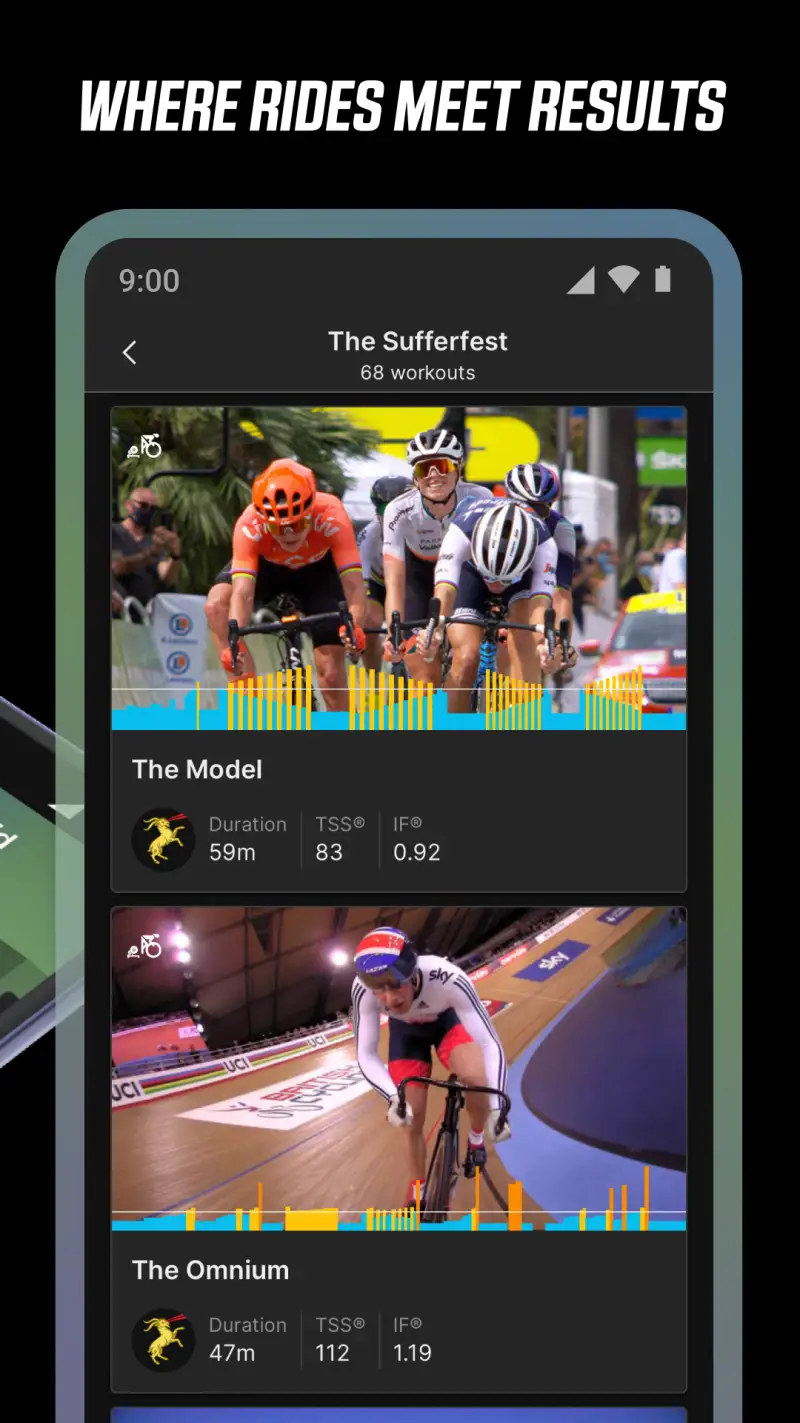
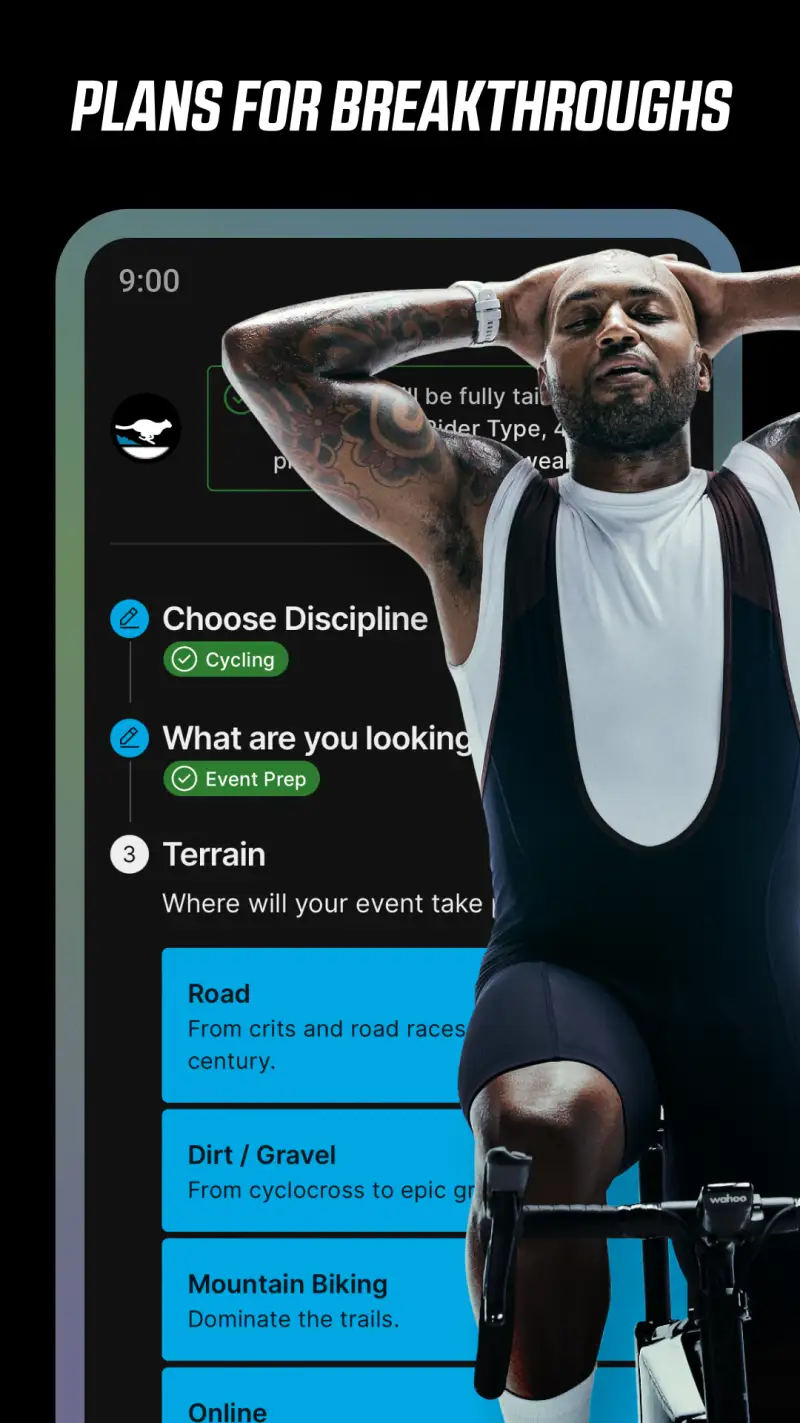
Additionally, most indoor cycling platforms require separate apps for running, swimming, strength, and mental preparation - the multi-app fragmentation that every triathlete deals with. Wahoo SYSTM is the only platform reviewed here that integrates cycling, running (~120 workouts), swimming (~80 workouts), strength, yoga, and mental training (launched September 2025) in a single subscription at $179.99 per year. For triathletes who want a genuinely holistic indoor training solution rather than a stack of discipline-specific apps, SYSTM’s breadth is its specific competitive advantage.
The Four Dimensional Power (4DP) profiling system measures Neuromuscular Power, Anaerobic Capacity, Maximal Aerobic Power, and Functional Threshold Power separately rather than collapsing all cycling fitness into a single FTP. This produces training targets calibrated to the athlete’s actual energy system profile - a rider who is FTP-strong but MAP-limited trains differently than one with the reverse profile. The 4DP Full Frontal test takes approximately 60 minutes and produces a complete power profile from which all subsequent training targets derive.
What Wahoo SYSTM does well
- Multi-discipline integration: cycling, running, swimming, strength, yoga, and mental training in one platform; the only indoor app that meaningfully serves all triathlon disciplines rather than cycling only
- 4DP power profiling: Neuromuscular Power, Anaerobic Capacity, MAP, and FTP measured separately; training targets calibrated to energy system profile rather than a single FTP number
- Mental training sessions: 2-to-30-minute guided mental preparation sessions launched September 2025; no other indoor training platform addresses race-day mental preparation structurally
- Long aerobic videos designed for 3-to-4-hour base sessions; better suited to Ironman-pace indoor riding than short-interval platforms
- Strong value at $179.99/yr relative to platforms with narrower discipline coverage
Where Wahoo SYSTM falls short
SYSTM originated as The Sufferfest, a cycling-focused video platform, and the swim and run content reflects these add-on origins. Serious swimmers using SYSTM’s 80 swim workouts typically supplement with MySwimPro for structured pool coaching depth. The platform has no virtual world and no social community comparable to Zwift - SYSTM is focused structured training that suits athletes who want to execute sessions efficiently without gamification. Adaptive Training AI, as implemented in TrainerRoad, does not exist in SYSTM; the platform uses 4DP for calibration but does not dynamically reshape training plans based on session-by-session performance analysis.
Pricing: $17.99/month or $179.99/year / typically included with new Wahoo hardware purchase
SYSTM suits triathletes who use Wahoo hardware and want a single subscription covering all indoor training disciplines. Add Zwift specifically for sessions where virtual social engagement improves consistency. Triathletes who identify swimming as a primary weakness should add MySwimPro alongside SYSTM.
ROUVY - Best for IRONMAN Course-Specific Preparation
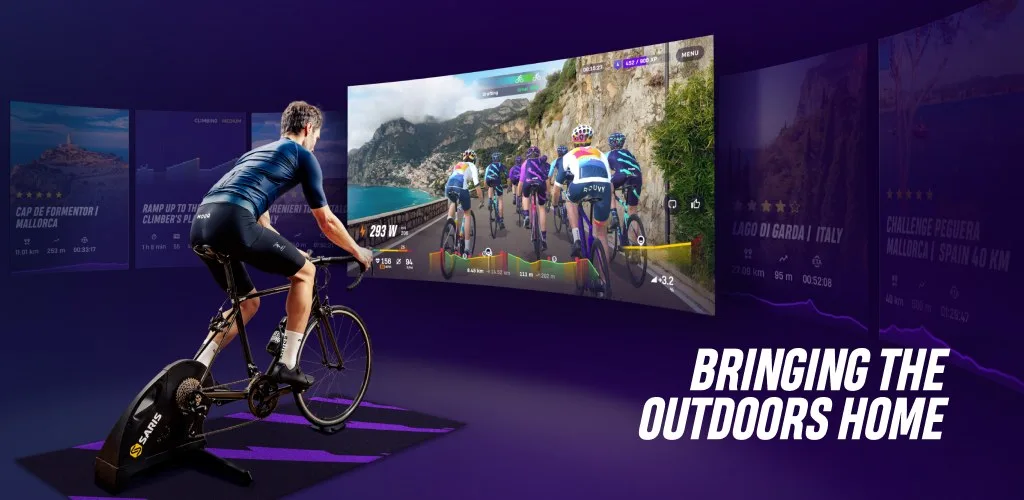
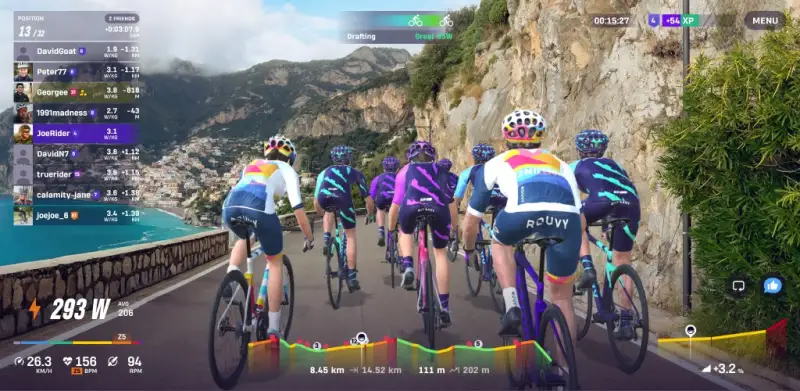
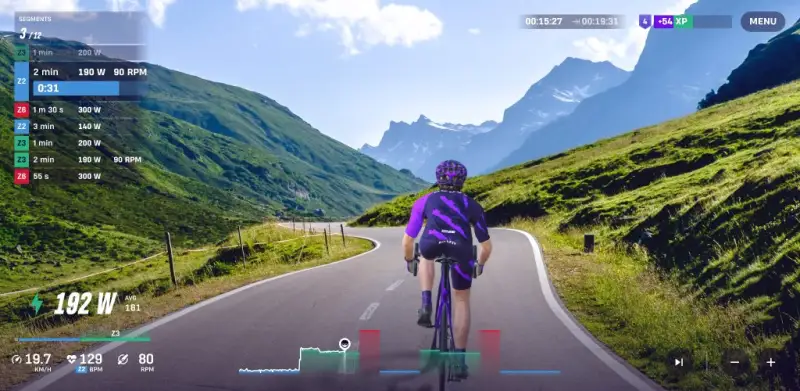
Unlike the general indoor cycling platforms above, ROUVY solves a specific problem that Zwift, TrainerRoad, and SYSTM cannot address: riding the actual IRONMAN bike course before race day. As the Official Virtual Training Platform for IRONMAN events, ROUVY provides augmented reality versions of real Ironman race courses - Kona, Lake Placid, Frankfurt, and others - with virtual avatars and performance overlays laid over real-world video footage of the actual roads. A triathlete targeting IRONMAN Lake Placid can ride the 112-mile course virtually multiple times during winter, learning the terrain, identifying the climb profiles, and calibrating pacing strategy before arriving in New York.
The 240,000+ km of real-world video routes distinguishes ROUVY from Zwift’s fully virtual world. Athletes who find cartoon-style game environments off-putting prefer ROUVY’s footage of actual roads - the experience is closer to outdoor cycling in terms of visual realism. The July 2025 price increase to $19.99 per month placed ROUVY at the same monthly cost as Zwift, which sharpened the platform choice: athletes not specifically targeting IRONMAN-branded events face a harder value argument for ROUVY versus Zwift’s larger social community.
What ROUVY does well
- Official IRONMAN course library: virtual versions of actual Ironman race courses with AR overlays on real-world video; the course-specific preparation tool that no other platform provides
- 240,000+ km real-world video routes: real road footage across global cycling destinations; Mallorca, Tenerife, the Dolomites, and specific triathlon race routes covered in genuine on-road video
- ERG mode smart trainer support: power target execution equivalent to other platforms; tested stable across multi-hour sessions on Wahoo KICKR
- Duo plan ($29.99/mo) for training with a partner; Group plan for club use
- Supports multi-hour base-building sessions well; real-world video maintains engagement differently than short-loop virtual worlds
Where ROUVY falls short
At $19.99 per month, ROUVY now costs as much as Zwift without Zwift’s 1 million+ concurrent user community, group rides, racing leagues, or social ecosystem. Athletes not targeting IRONMAN-branded events rarely have enough reason to choose ROUVY over Zwift at identical pricing. Swimming and running are absent - ROUVY covers one leg of triathlon. The platform has no AI adaptive training; athletes use it for engagement and course familiarity rather than structured training plan management.
Pricing: $19.99/month or $179.99/year / Duo plan $29.99/month
Choose ROUVY when you are training for a specific IRONMAN event and want course-specific preparation that no other platform provides. For general indoor cycling motivation and social rides, Zwift’s larger community typically provides more value. ROUVY works best as part of a stack rather than a standalone platform - use it for course-specific sessions while a platform like TrainerRoad or SYSTM handles general structured training.
Which Indoor App Fits Your Triathlon Training Style
| App | Price | Best For | Smart Trainer ERG | Multi-Discipline |
|---|---|---|---|---|
| Zwift | $199.99/yr | Social rides, virtual racing | Yes | Cycling + running only |
| TrainerRoad | $209.99/yr | Structured FTP gains | Yes | Full triathlon plans |
| Wahoo SYSTM | $179.99/yr | All-in-one indoor platform | Yes | Cycling + swim + run + strength |
| ROUVY | $179.99/yr | IRONMAN course prep | Yes | Cycling only |
Motivation is your primary challenge
Subscribe to Zwift. The social infrastructure - group rides, racing, concurrent riders in the virtual world - solves the indoor cycling motivation problem more effectively than any structured training program alone. Add TrainerRoad if you also want structured interval precision; the TrainerRoad + Zwift integration lets you execute AI-generated workouts inside Zwift’s virtual environment.
FTP gains and measurable performance improvement matter most
Subscribe to TrainerRoad. The Adaptive Training AI and 7-zone Progression Levels produce more systematic FTP improvement than any other platform. Start with the Ramp Test and use the triathlon Plan Builder for your target race distance. Add Zwift for sessions where structured training in a plain interface becomes demotivating.
You want one subscription covering all indoor disciplines
Subscribe to Wahoo SYSTM, particularly if you own Wahoo hardware. The cycling, running, swimming, strength, and mental training content in a single subscription is the most cost-effective way to cover all triathlon disciplines indoors without assembling a multi-app stack.
You are training for a specific IRONMAN event
Add ROUVY to your training stack and download the virtual guide for your target race course. Use it for 3 to 4 dedicated course-specific sessions in the 12 weeks before your race. Pair with TrainerRoad or SYSTM for general structured training the rest of the season.
Budget: maximum indoor training at minimum cost
Use TrainingPeaks Virtual (included with TrainingPeaks Premium at $134.99/yr) for indoor riding if you already subscribe to TrainingPeaks. Add Strava free for basic social feed and activity sharing. This combination covers indoor cycling and analytics without adding a separate indoor platform subscription.