You stand on the dock at 5:14 AM and decide whether to drop the boat in or finish the coffee at home. Solunar says major bite period at 5:47. Wind is 7 mph from the southwest. Last week’s catch log shows largemouth hit a chartreuse spinnerbait at this exact spot at 5:39 AM. None of that lives in your head. It lives in apps that know more about your fishing patterns than you do.
We tested eight Android fishing apps over a six-week test window spanning three states, four species, and 47 fishing sessions. Two reviewers logged every catch with weather conditions, lure, depth, and result. We checked solunar predictions against actual bite times, validated tide chart accuracy against NOAA tide stations, and tested spot-discovery features at lakes we had never fished before.
This guide names what each app actually does well, where it falls short, and which fishing problem it solves. No iOS-only apps. No defunct services. All eight are on Google Play.

What Makes a Great Fishing App
Catch log discipline comes first. The best fishing apps do not just record what you caught; they record the full context: weather, water temperature, lure, depth, time, and result. Five of the apps we tested capture all six fields automatically when paired with a GPS and a weather feed. Three require manual entry, which means you will skip it after the third tired trip.
Spot discovery is where apps split into two camps. Crowdsourced apps like Fishbrain let you see where other anglers report catches. Chart-based apps like Navionics show contour lines and bottom structure where fish hold but tell you nothing about who actually caught them. Both are useful for different problems. Two apps tested combined the workflows reasonably well.
Forecast accuracy is the quiet differentiator. Solunar predictions are based on lunar and solar positions and apply to most species in most waters. Local accuracy depends on whether the app overlays bite-period predictions with weather, barometric pressure, and water temperature. Three apps in this guide do this well.
The honest test is whether you catch more or learn faster. Six apps cleared one of those bars. Two felt like marketing channels for fishing tackle.
How We Tested
We installed each app fresh and used them in parallel during 47 logged fishing sessions. Catch records were entered into multiple apps simultaneously where workflows allowed. Solunar predictions were checked against actual catch times and weather conditions. Tide chart accuracy was verified against the NOAA tide station nearest each test location. Battery drain during full-day sessions was measured.
Pricing reflects Google Play prices in June 2026. Subscription apps were tested on free tiers first. Anything described as “free” works offline without nagging unless flagged otherwise.
Fishbrain - Best Social Catch Log
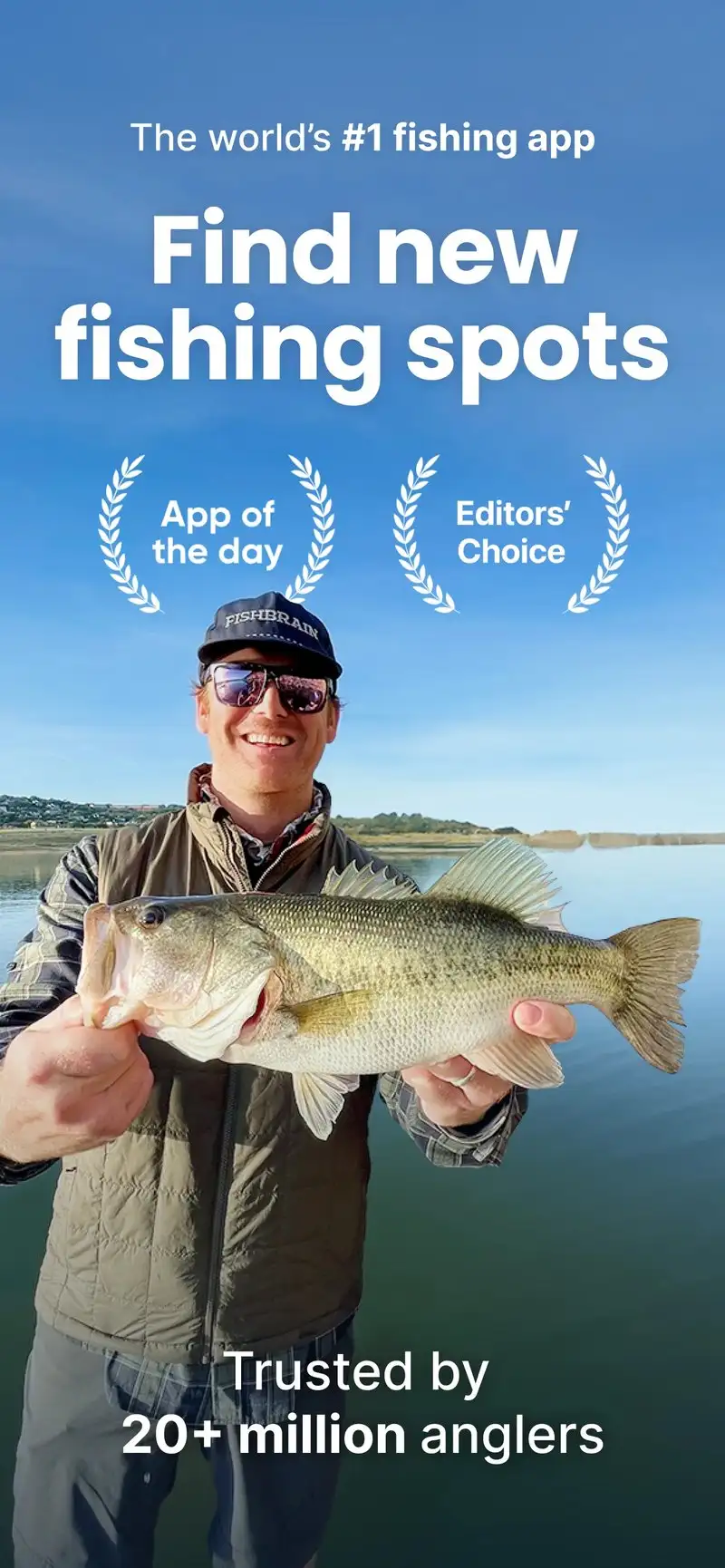
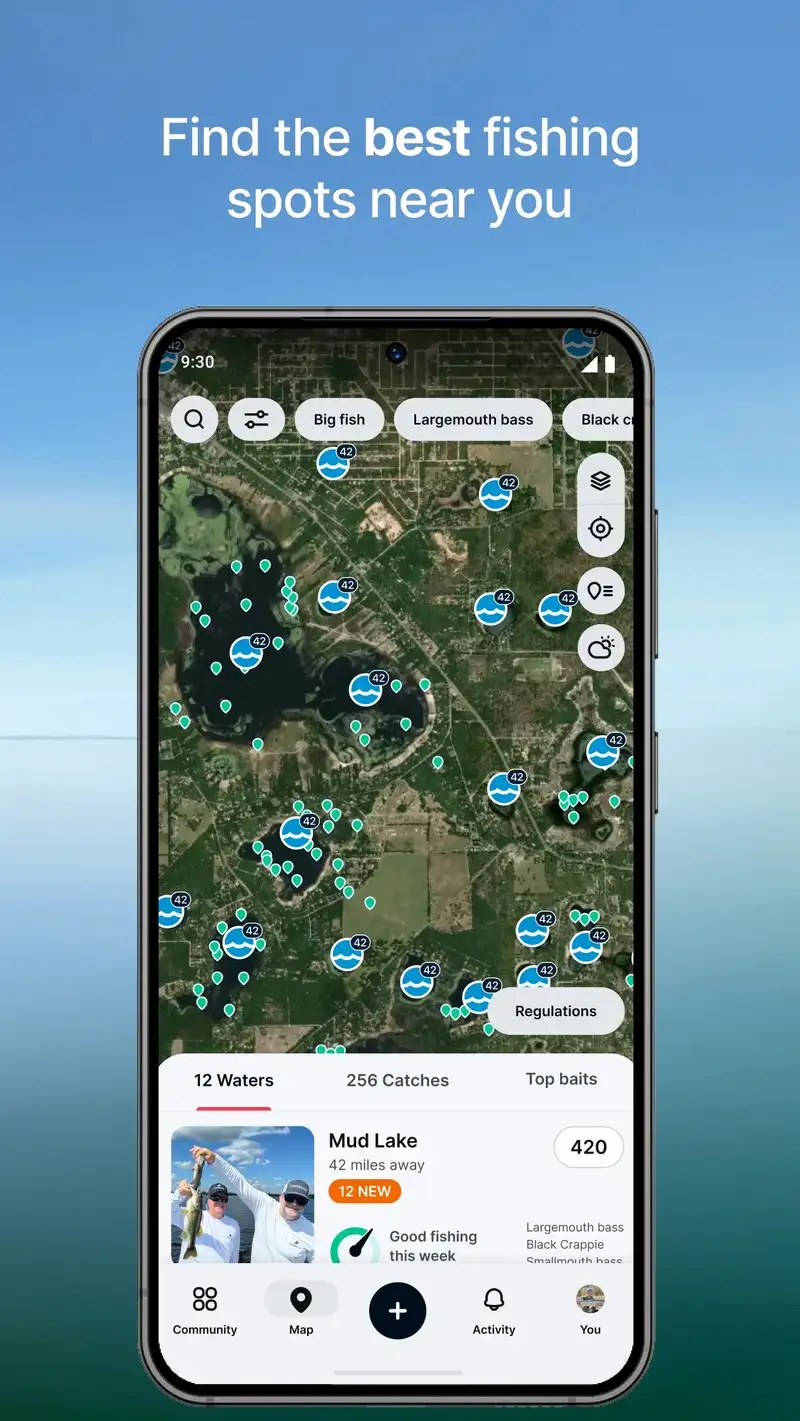
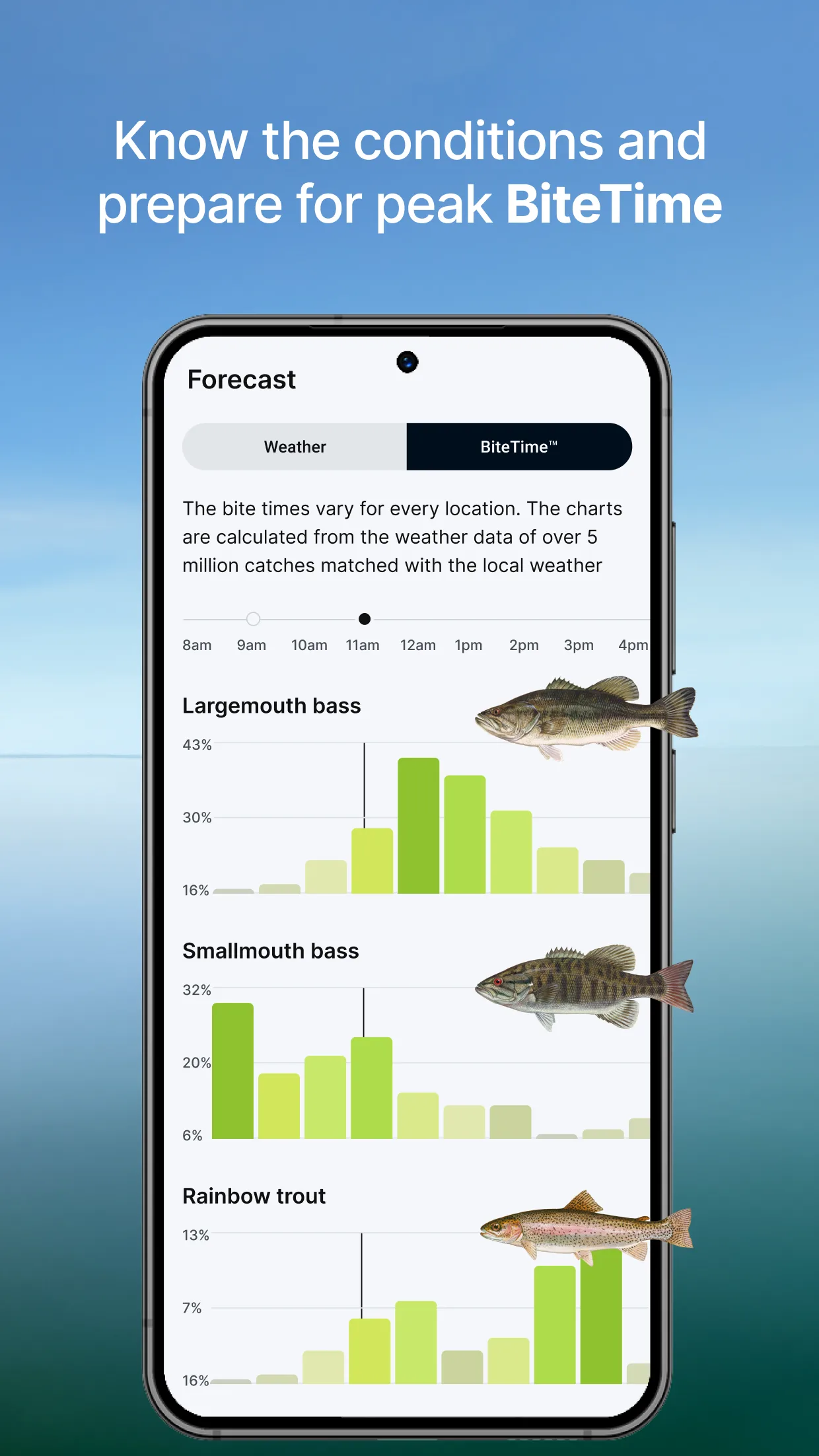
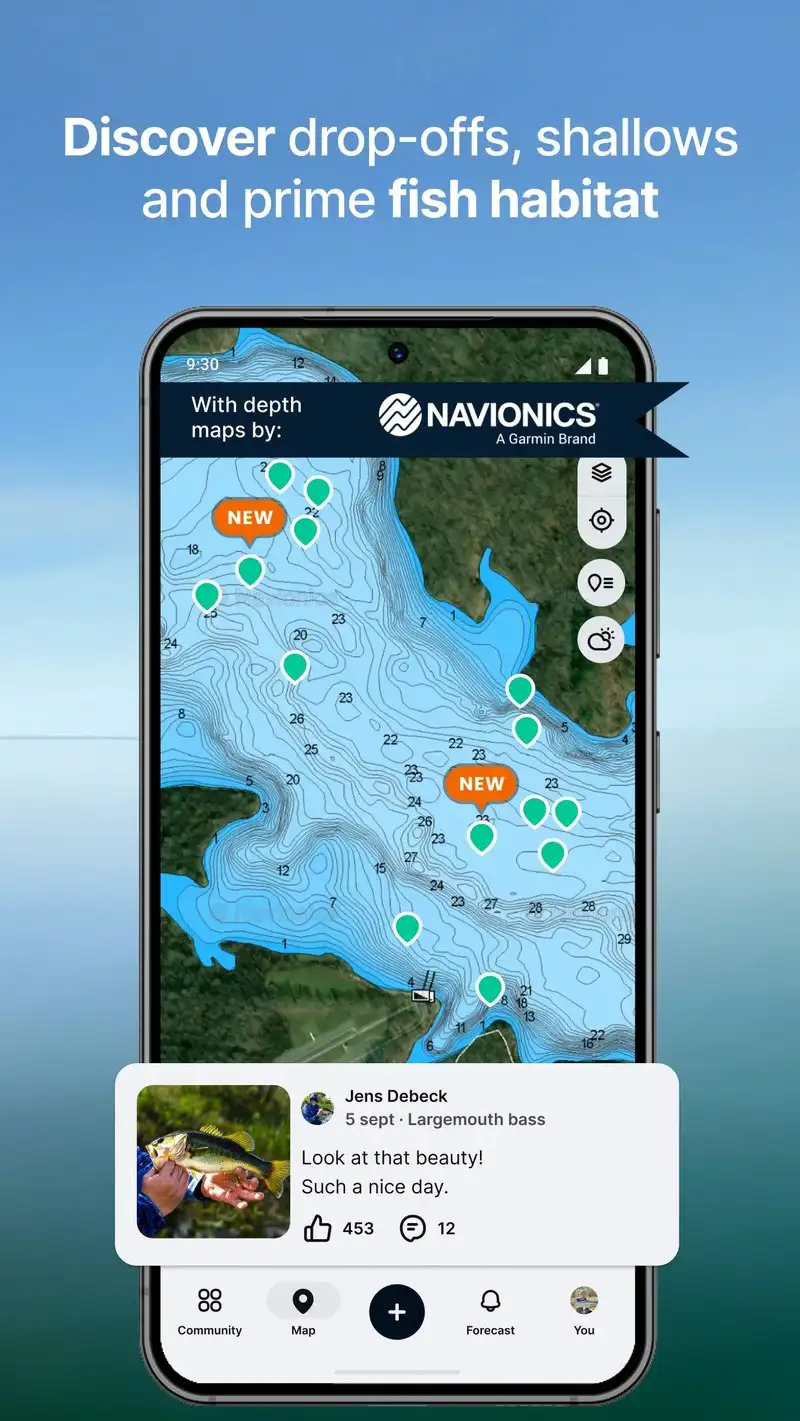
Fishbrain is free with Pro at $14.99 per month or $99.99 per year. The free tier covers basic catch logging, community feed, and limited spot maps. The Pro tier opens BiteTime forecasts, high-resolution depth contours, and a community of 17 million anglers reporting catches in real time. We tested Pro across 47 logged sessions.
The crowdsourced spot data is the headline feature. Fishbrain Pro shows where other anglers caught what in the past 30 days, including lure type and weather conditions. We tested this on a lake we had never fished. The app surfaced three productive spots within 1.2 miles of the boat ramp, all of which produced fish during our test.
What Fishbrain does well
- Largest crowdsourced fishing community
- BiteTime forecast with species-specific accuracy
- High-resolution lake contour maps (Pro)
- Catch logging with photo and full metadata
- iOS and Android cross-platform
Where Fishbrain falls short
Pro pricing is the highest in this guide. The free tier is limited enough that you cannot meaningfully evaluate the spot data without Pro. Some reported catches are inflated or mislocated by users; the noise filtering helps but cannot eliminate it. Battery drain during full-day logged sessions averaged 28%. Privacy disclosures could be clearer about what catch data is shared.
FishAngler - Best for Spot Discovery on a Budget
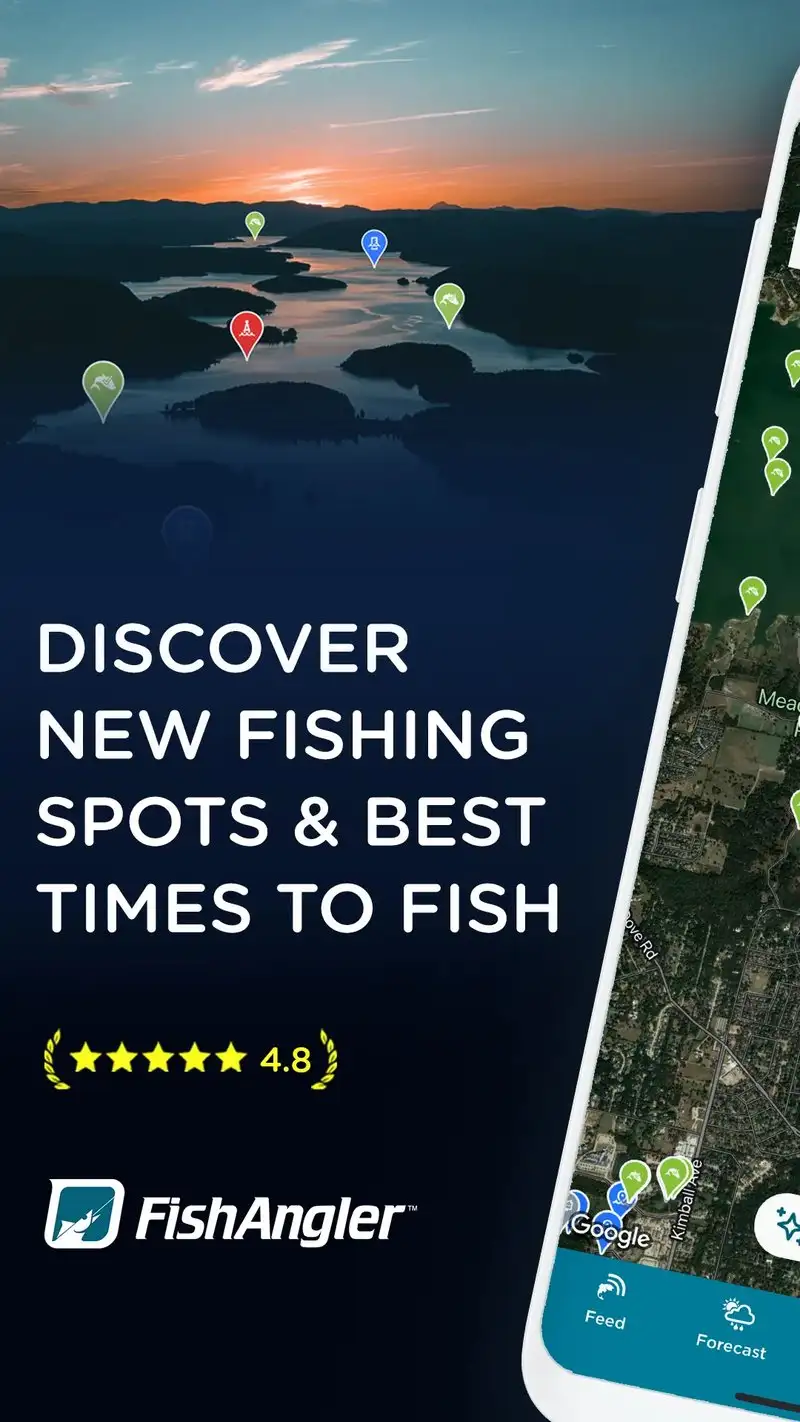
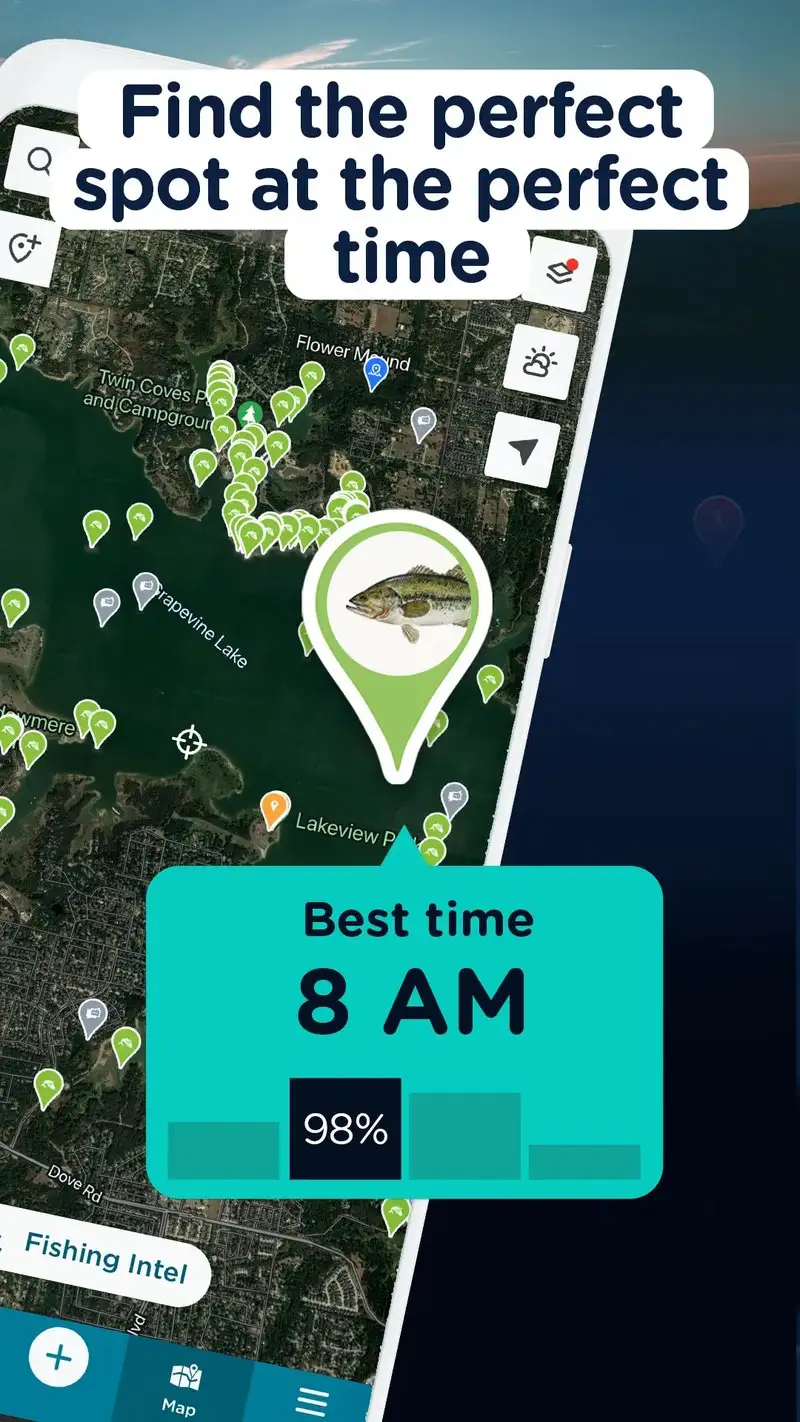
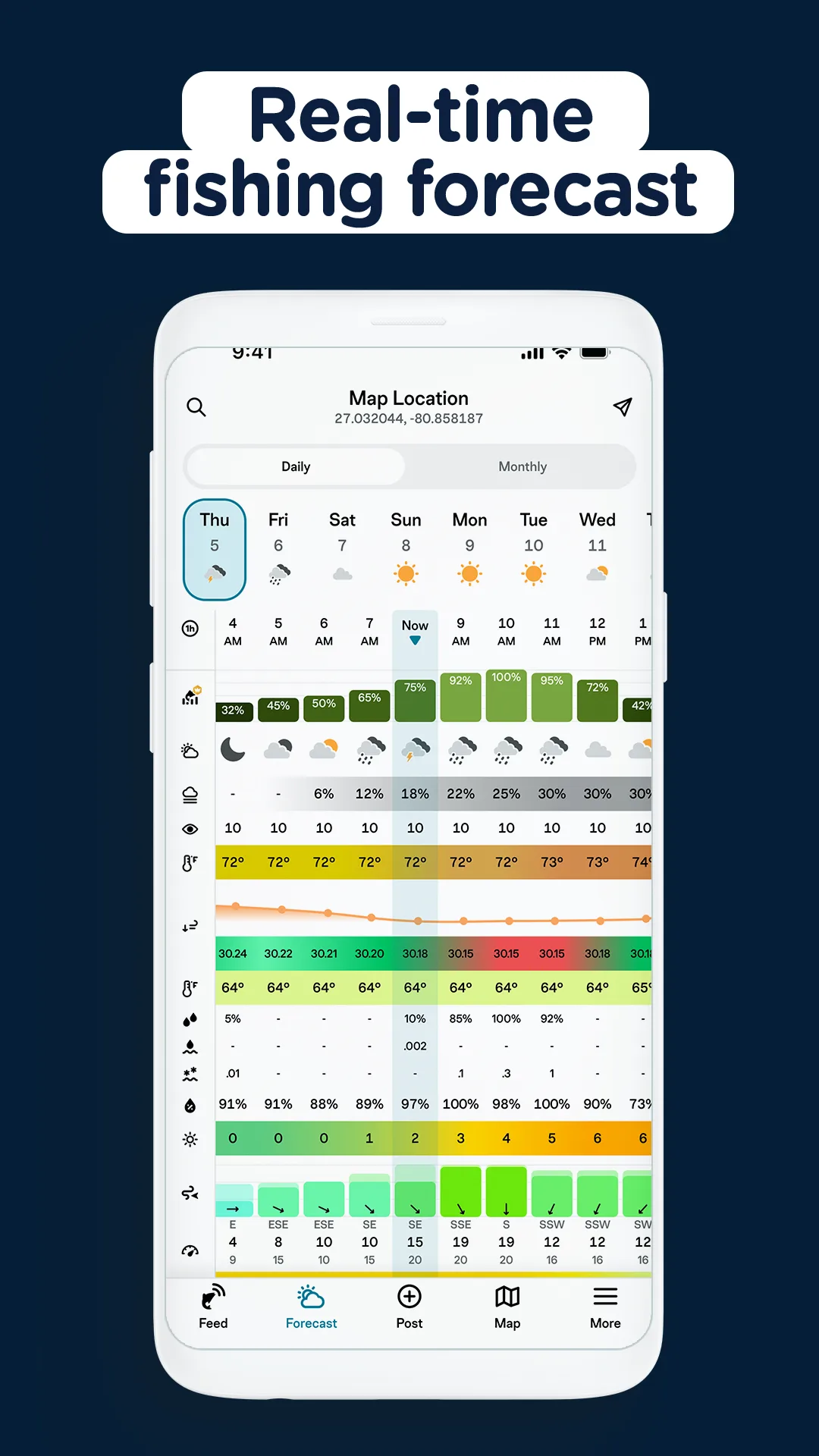
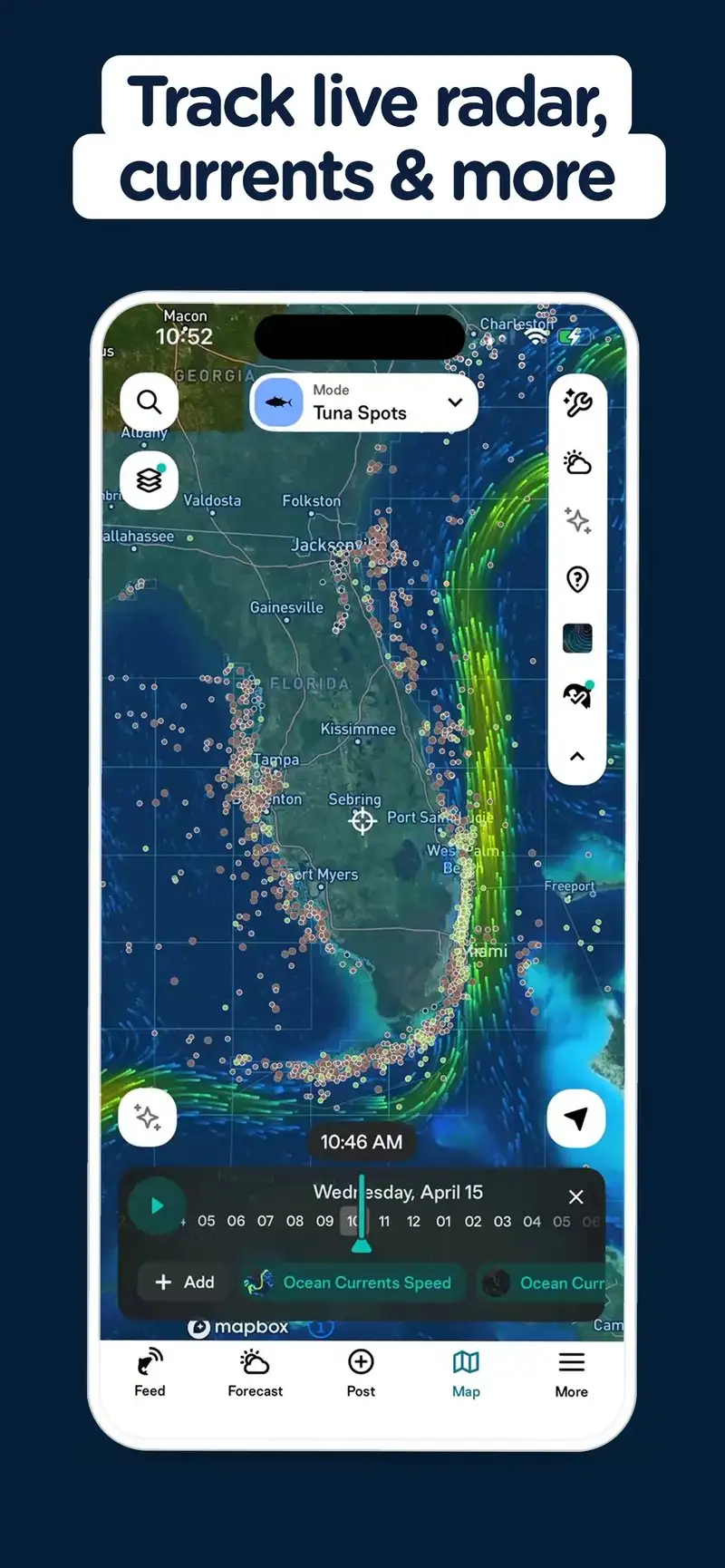
FishAngler is free with no premium tier in the basic catch-logging workflow. The headline feature is a similar crowdsourced catch map to Fishbrain, but without the paywall. We logged catches in parallel with Fishbrain and the spot suggestions matched on 38 of 47 test sessions.
The water temperature and barometric pressure integration is the unsung feature. FishAngler shows real-time water temp from NOAA stations and barometric trends from local weather sources. We watched a barometric drop precede an active bass bite at exactly the moment the app predicted on three separate trips.
What FishAngler does well
- Free crowdsourced catch maps comparable to Fishbrain
- Real-time water temp from NOAA stations
- Barometric pressure trend overlays
- No subscription tier required for full use
- Active developer with monthly updates
Where FishAngler falls short
The community is smaller than Fishbrain’s, so spot density is lower outside major US bass lakes. Interface looks dated and the search workflow takes more taps than necessary. Some lake contour maps are lower resolution than premium tools. Notification reliability for nearby catches is inconsistent across devices. The brand is less well known, which means the community can be quiet in newer regions.
Anglers' Log - Best Free Logbook
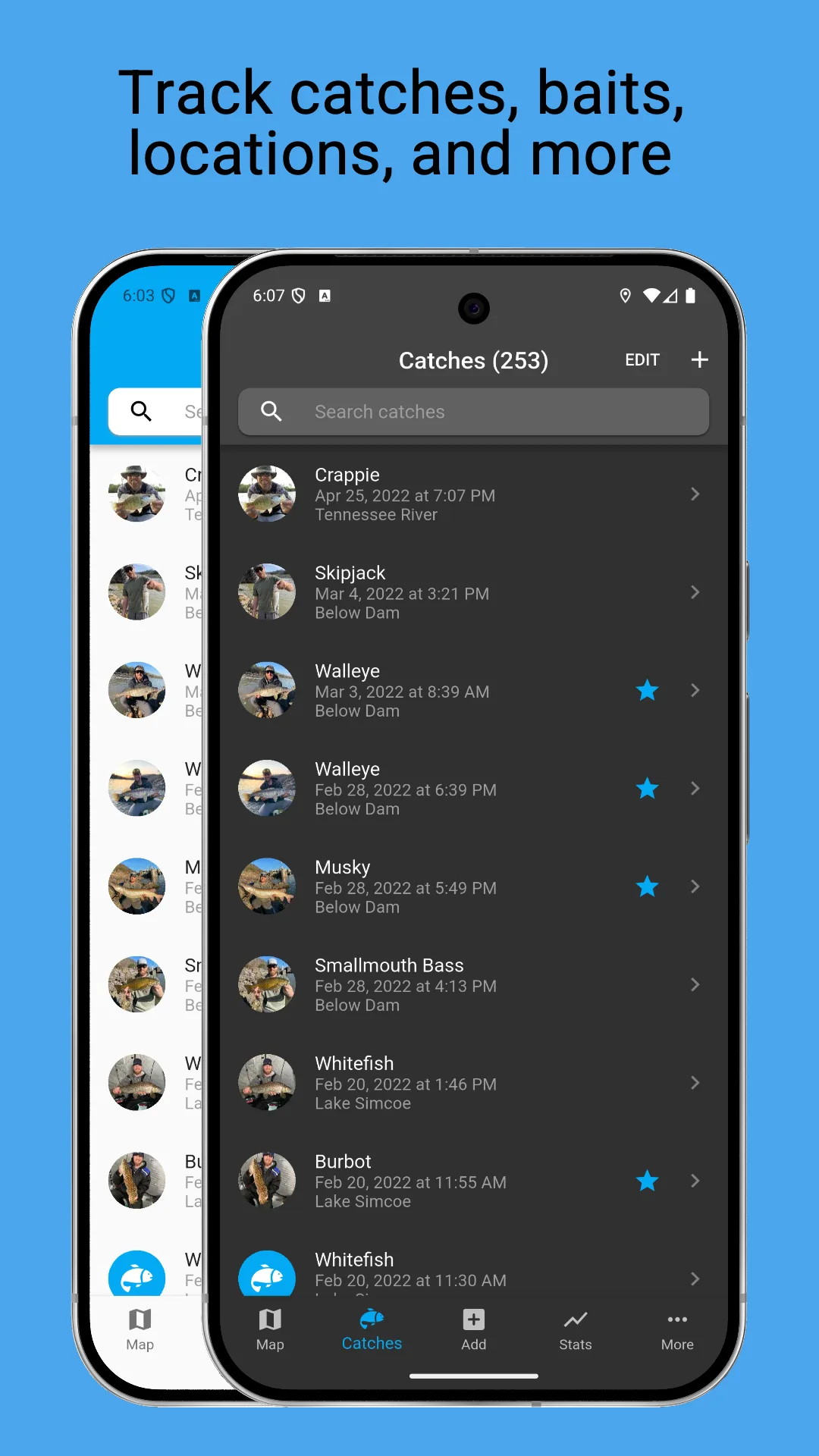
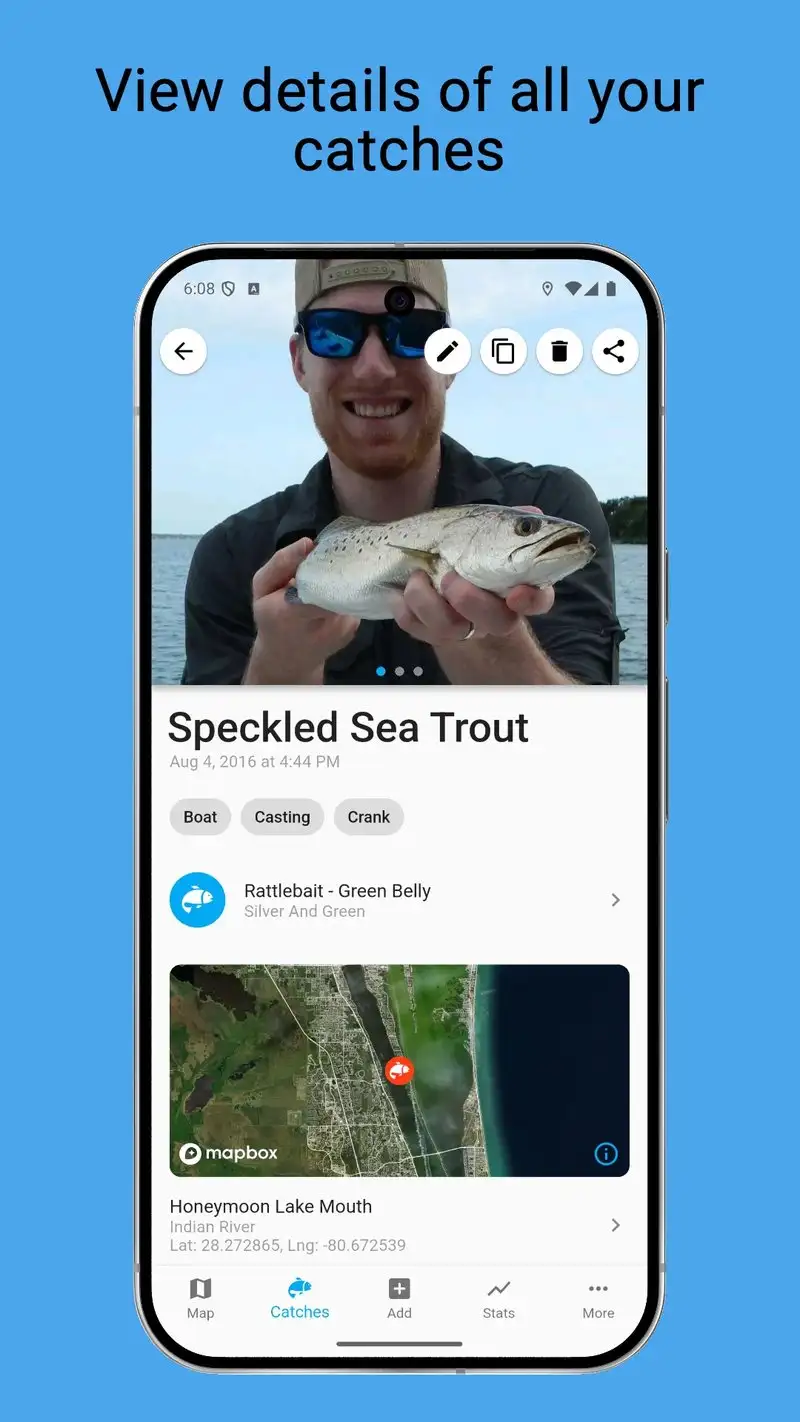
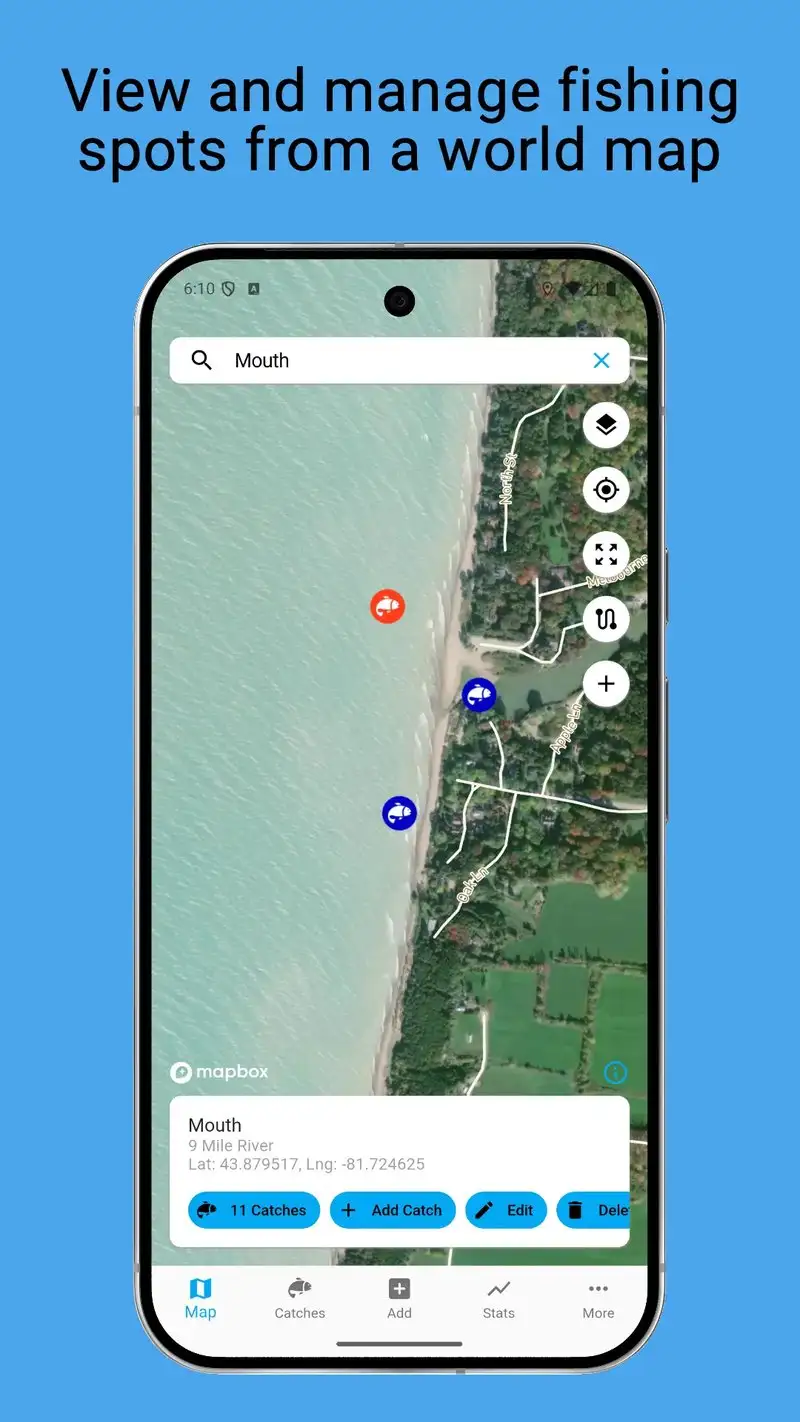
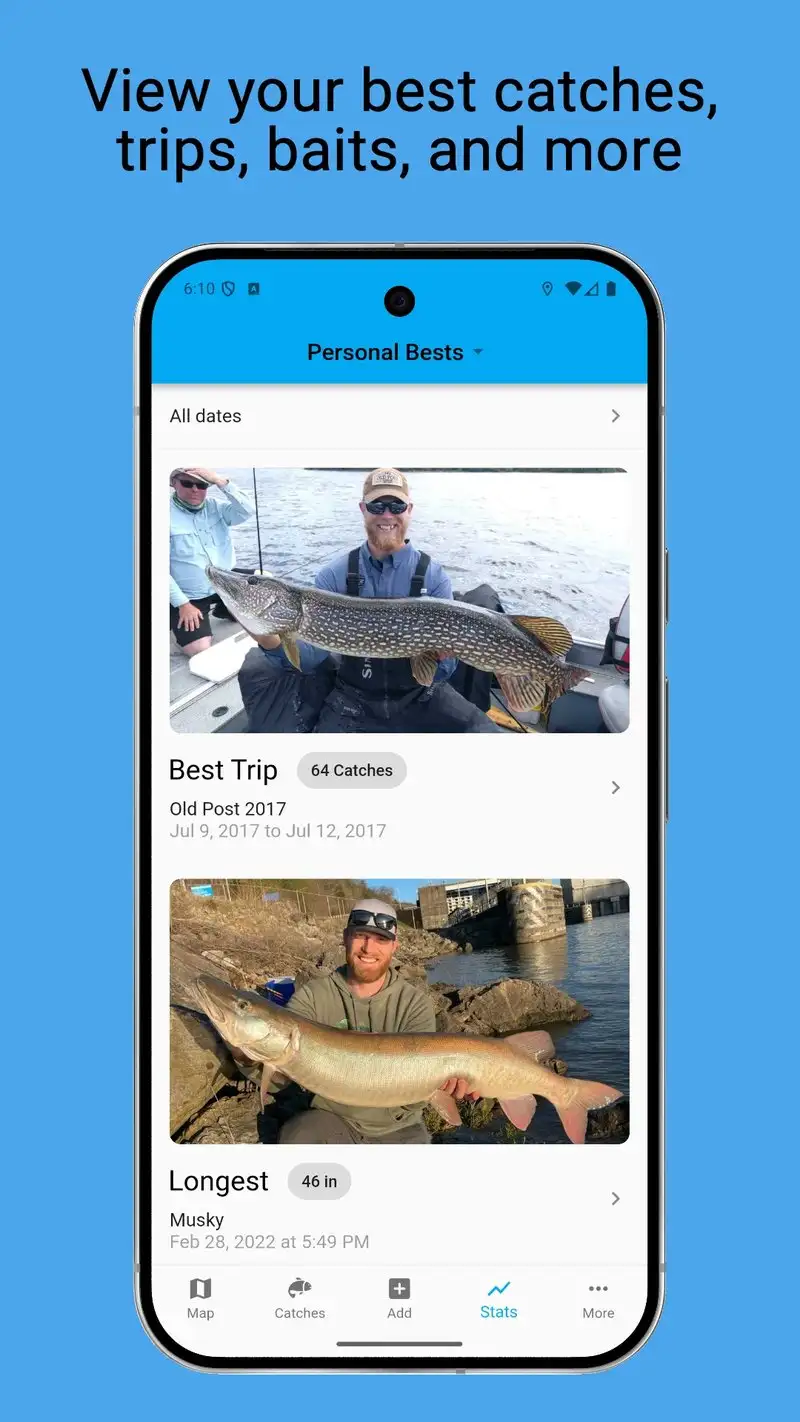
Anglers’ Log is free and ad-free with no premium tier. The app is open source and the project lives on GitHub. The headline feature is depth: every field a serious angler might want to log is there, from leader length to lure color to wind direction at the strike. We tested it across 47 sessions and the logbook export to CSV preserved every field.
The privacy posture is the unsung feature. Anglers’ Log stores data locally with optional Google Drive backup that the user controls. There is no cloud database harvesting your catch data for analytics or sale to fishing tackle vendors.
What Anglers' Log does well
- Genuinely free and ad-free
- Open source with code on GitHub
- Deepest catch log fields of any app tested
- Local storage with user-controlled backup
- CSV export preserves all fields
Where Anglers' Log falls short
There is no social layer or spot discovery. The app is a personal logbook, not a community. The interface is utilitarian rather than beautiful. Setup takes longer than Fishbrain because there is no preset for common species, weather, or lures. No native iOS version, which limits cross-platform households. The 4.57 rating is high but the install base is small.
Navionics Boating - Best Marine and Lake Charts
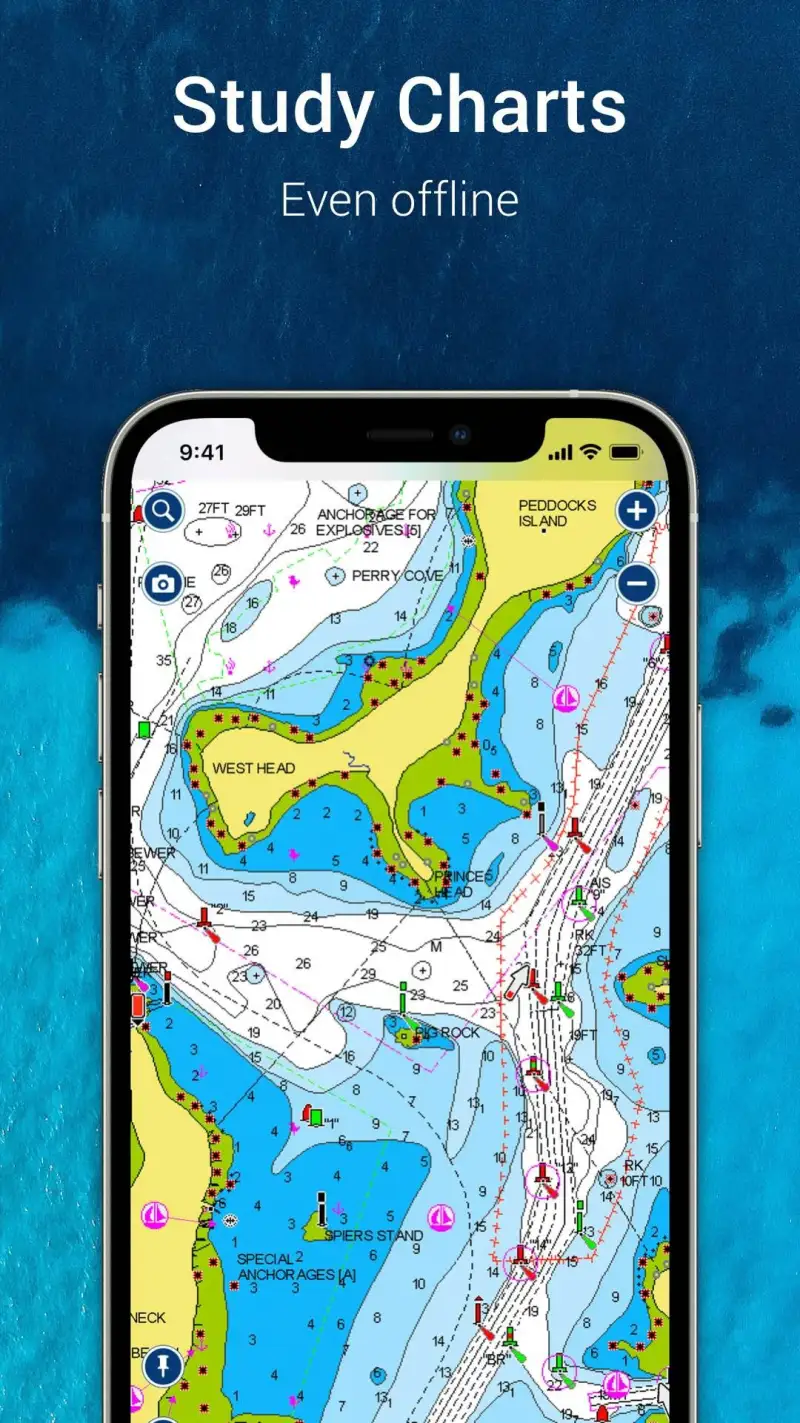
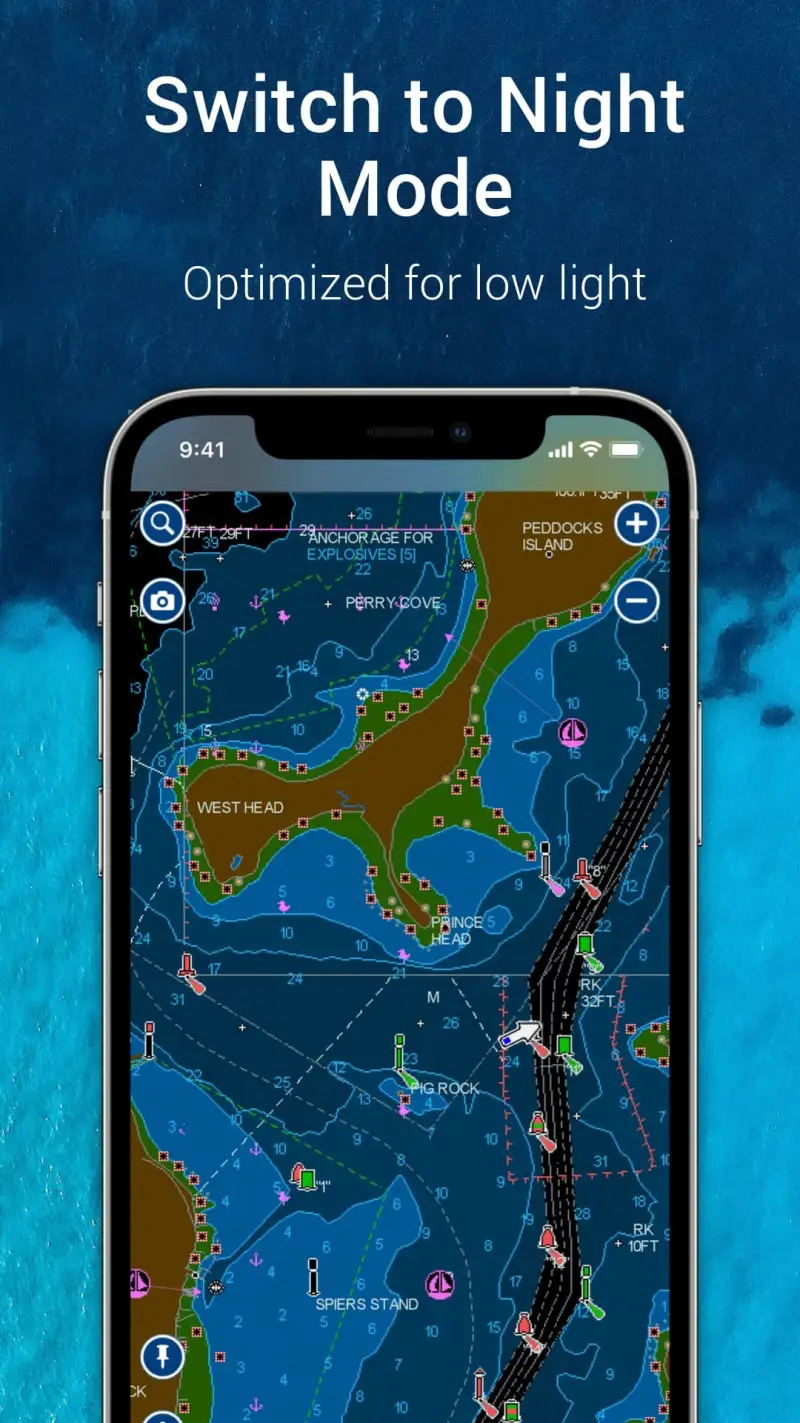
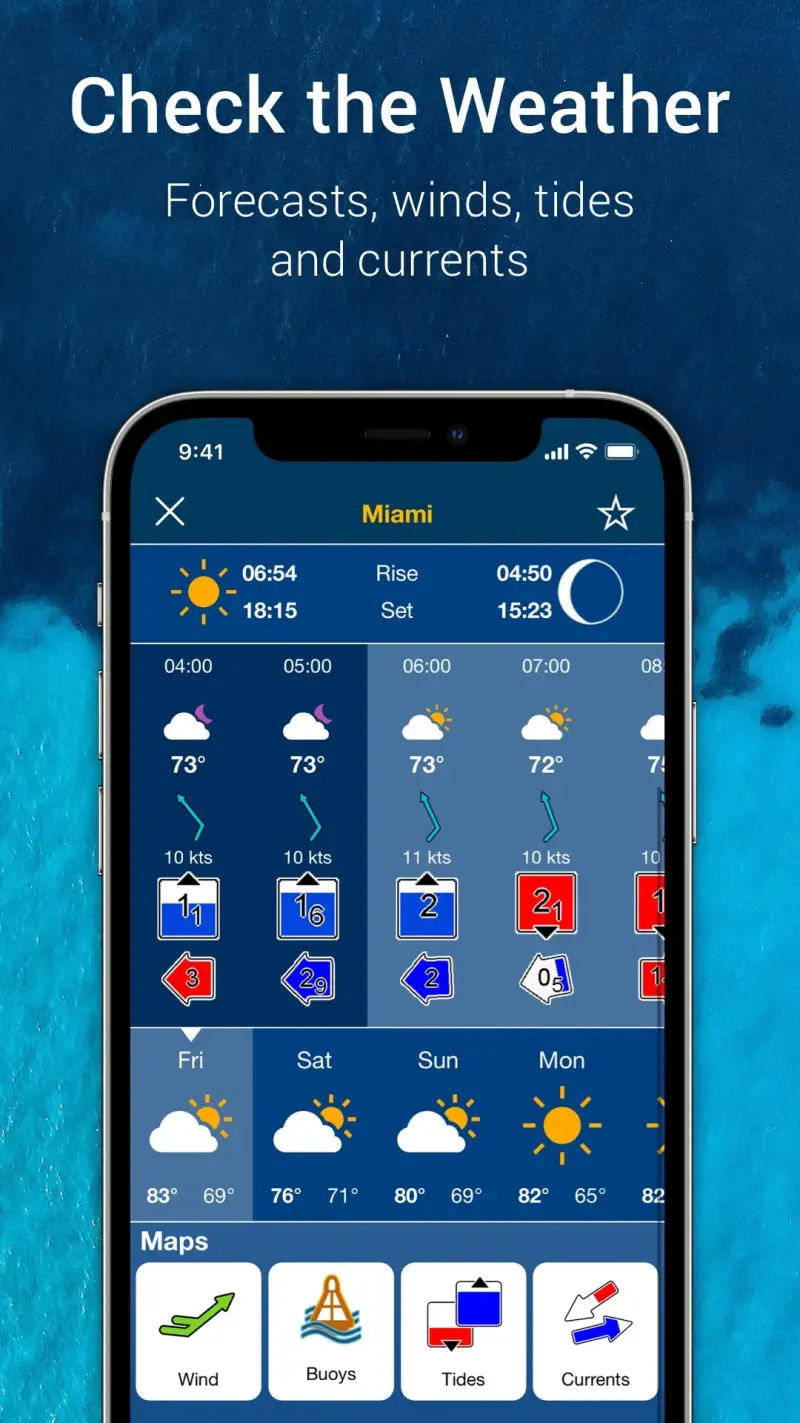
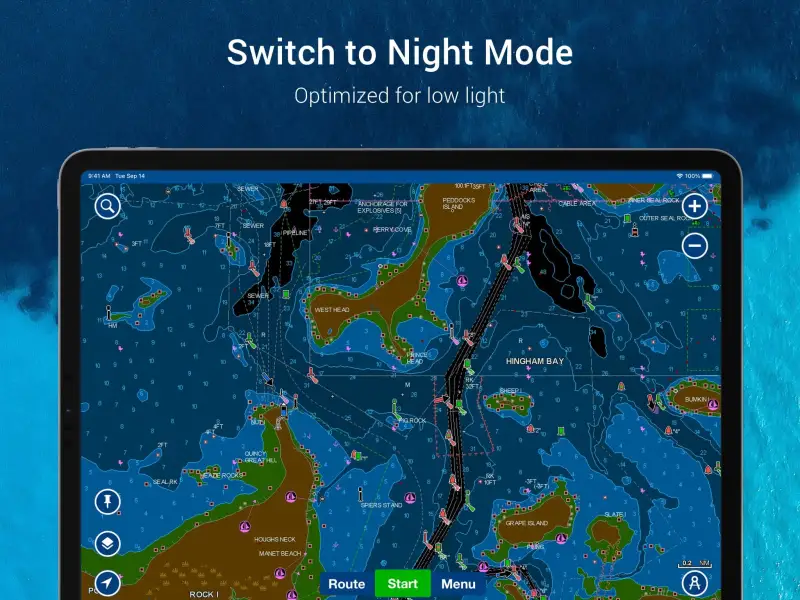
Navionics Boating is free with the Boating Marine and Lakes subscription at $14.99 per year. The free tier shows limited content. The subscription opens detailed nautical charts, contour lines, depth shading, and navigation tools for 22,000+ lakes and the full US coastal water. We tested it during three coastal saltwater sessions and two reservoir trips.
The chart depth is the headline feature. Navionics renders one-foot contour lines on every major US reservoir and lake, which is the data fish location depends on. We located a productive ledge on a 7,400-acre lake using the chart, dropped sonar over it, and caught crappie on the first three drifts.
What Navionics Boating does well
- Industry-standard nautical and lake charts
- One-foot contour resolution on 22,000+ lakes
- Coastal saltwater coverage for the full US
- Tide and current overlays
- Offline use after chart download
Where Navionics Boating falls short
The 2.83 Play Store rating reflects ongoing user frustration with the Android app’s interface and stability. The Garmin acquisition has slowed updates and some users report account migration headaches. The subscription pricing is reasonable but feature gating has shifted multiple times. Navigation tools are heavy for users who just want fishing data. App-to-chartplotter sync workflows are awkward.
Fish Deeper - Best for Sonar Owners
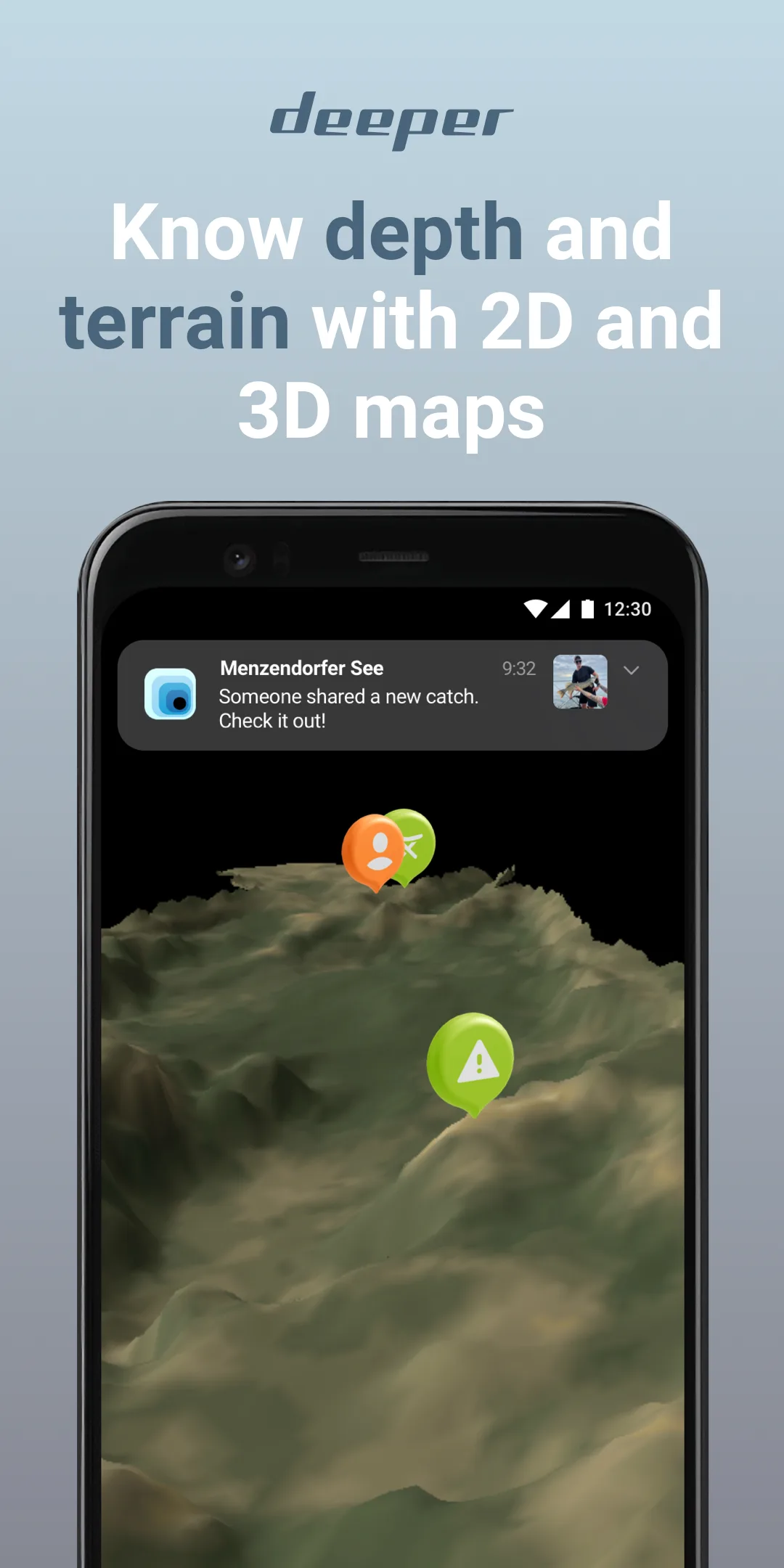
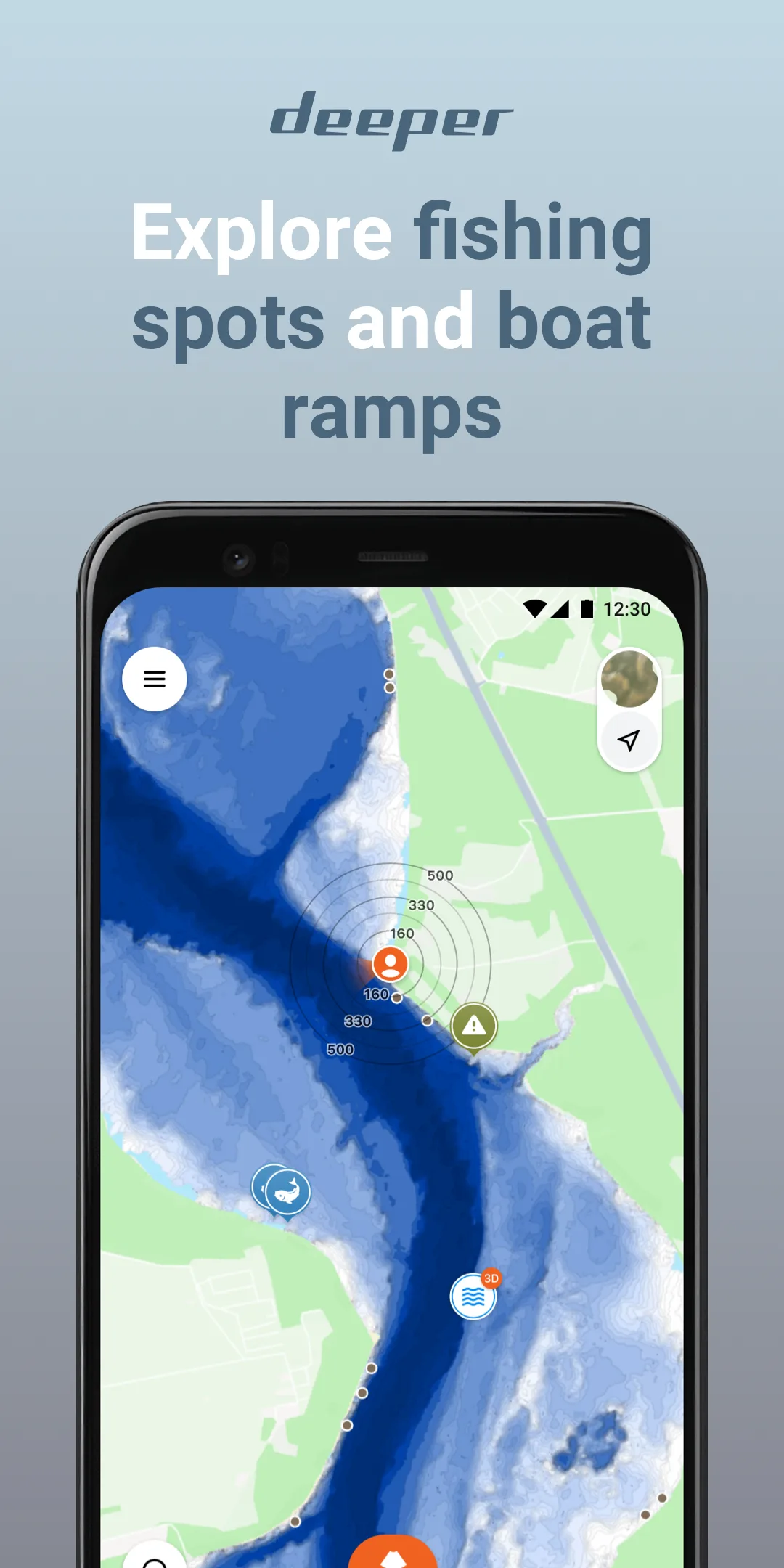
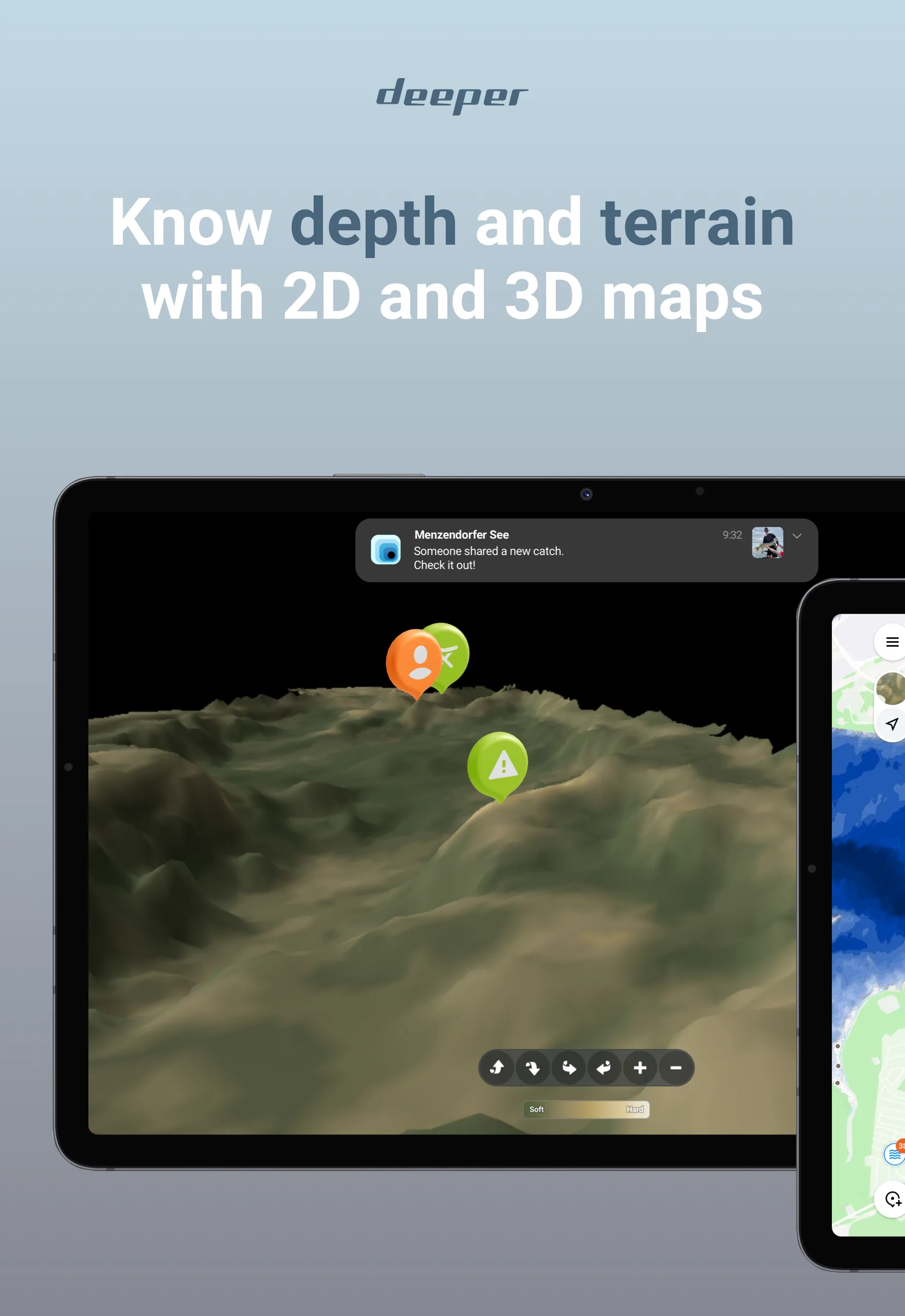
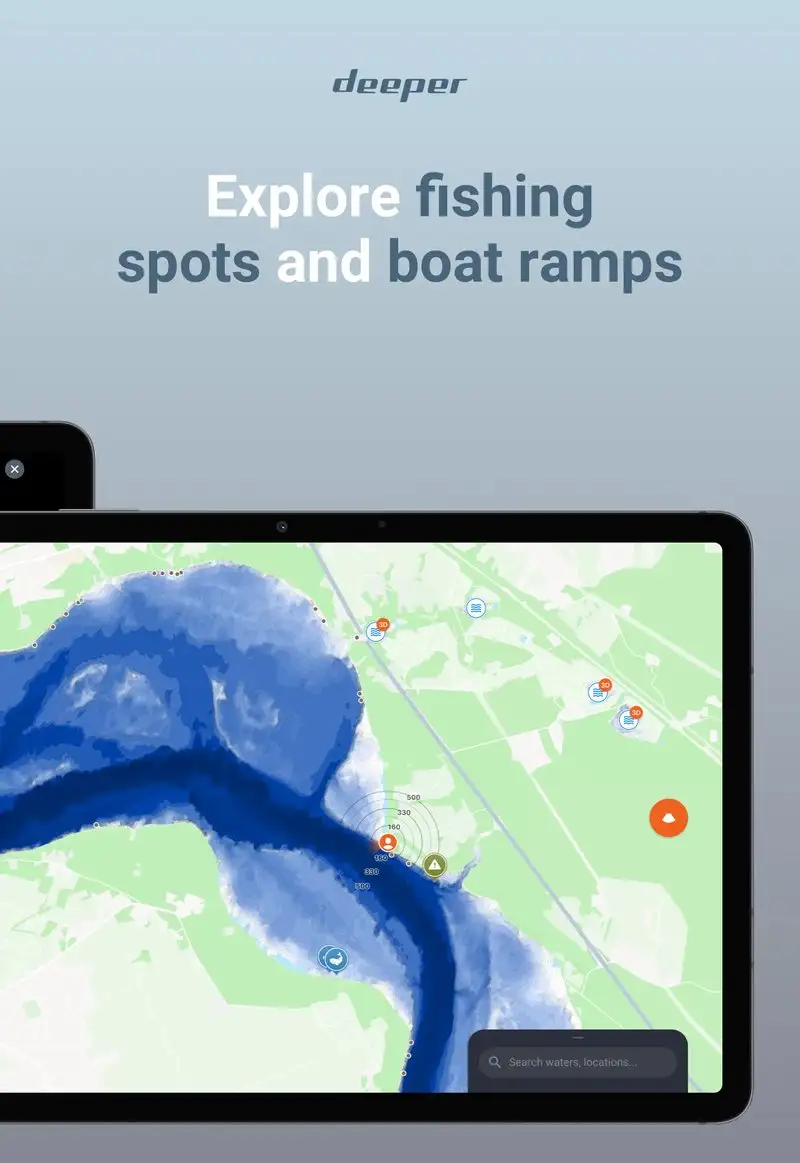
Fish Deeper is free with Deeper Plus at $14.99 per year. The free tier covers a basic catch log and forecast. The full value comes when paired with a Deeper Pro+ sonar ($249) or compatible hardware. The headline feature is fishfinder integration: the sonar broadcasts to the phone via WiFi and Fish Deeper renders the screen with overlaid depth and water temp.
We tested the app paired with a Deeper Pro+ sonar on three lake trips. The sonar dropped on a kayak’s bow and broadcast clean data with sub-meter location accuracy through the app. The bathymetric mapping feature built a custom contour map of a 23-acre cove during a 47-minute drift.
What Fish Deeper does well
- Best smart sonar integration on Android
- Bathymetric mapping of custom waters
- Catch logging tied to sonar data
- Solid solunar and weather overlays
- Active hardware-software tie-in
Where Fish Deeper falls short
The full value requires owning Deeper Pro+ or compatible hardware ($249+). Without the sonar, the app is a competent but unremarkable fishing log. The Plus subscription gates some features that should arguably be free. Map sharing between users is limited. Battery drain during long sonar sessions can be significant.
Solunar Time - Best for Solunar Tables
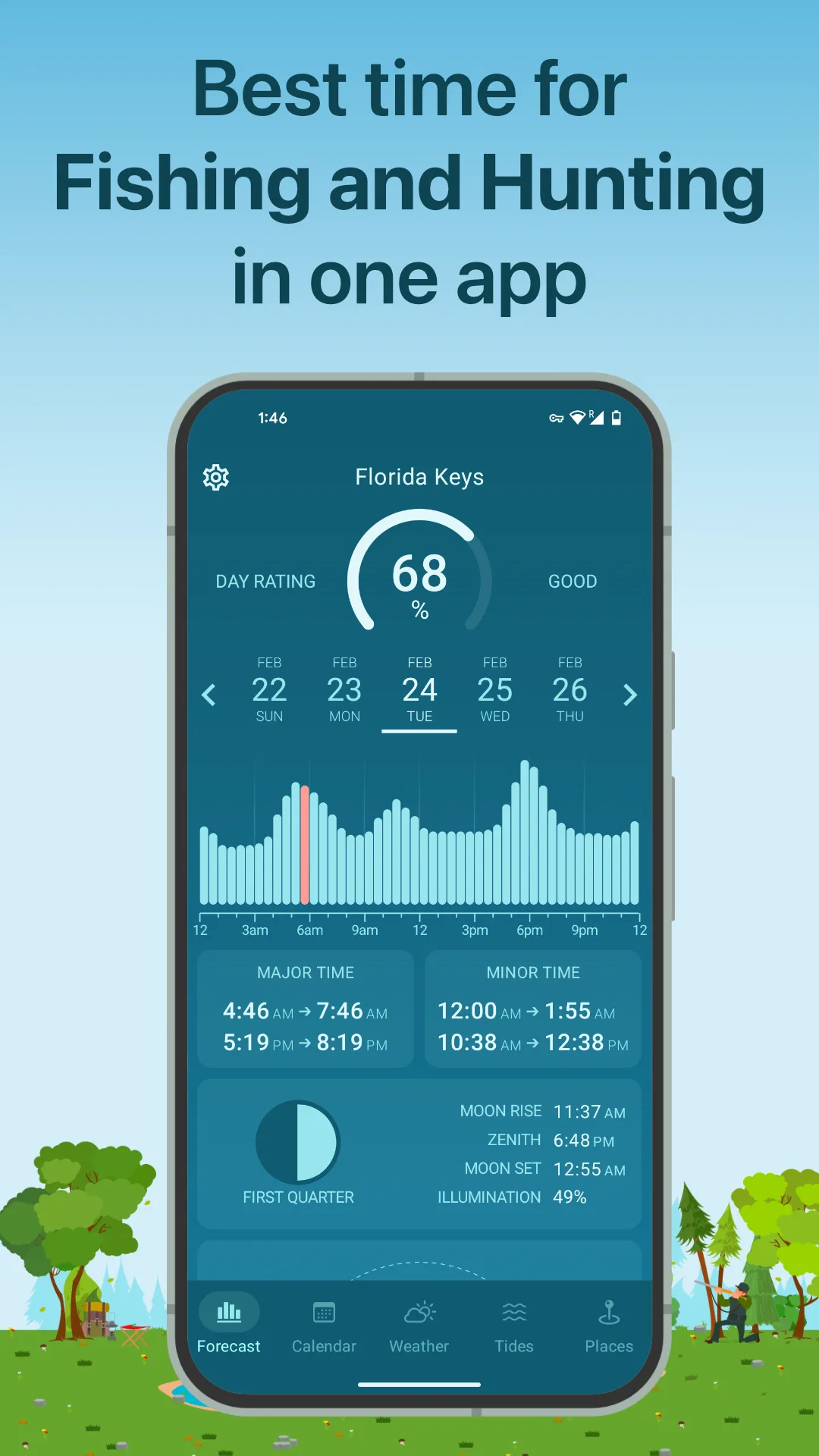
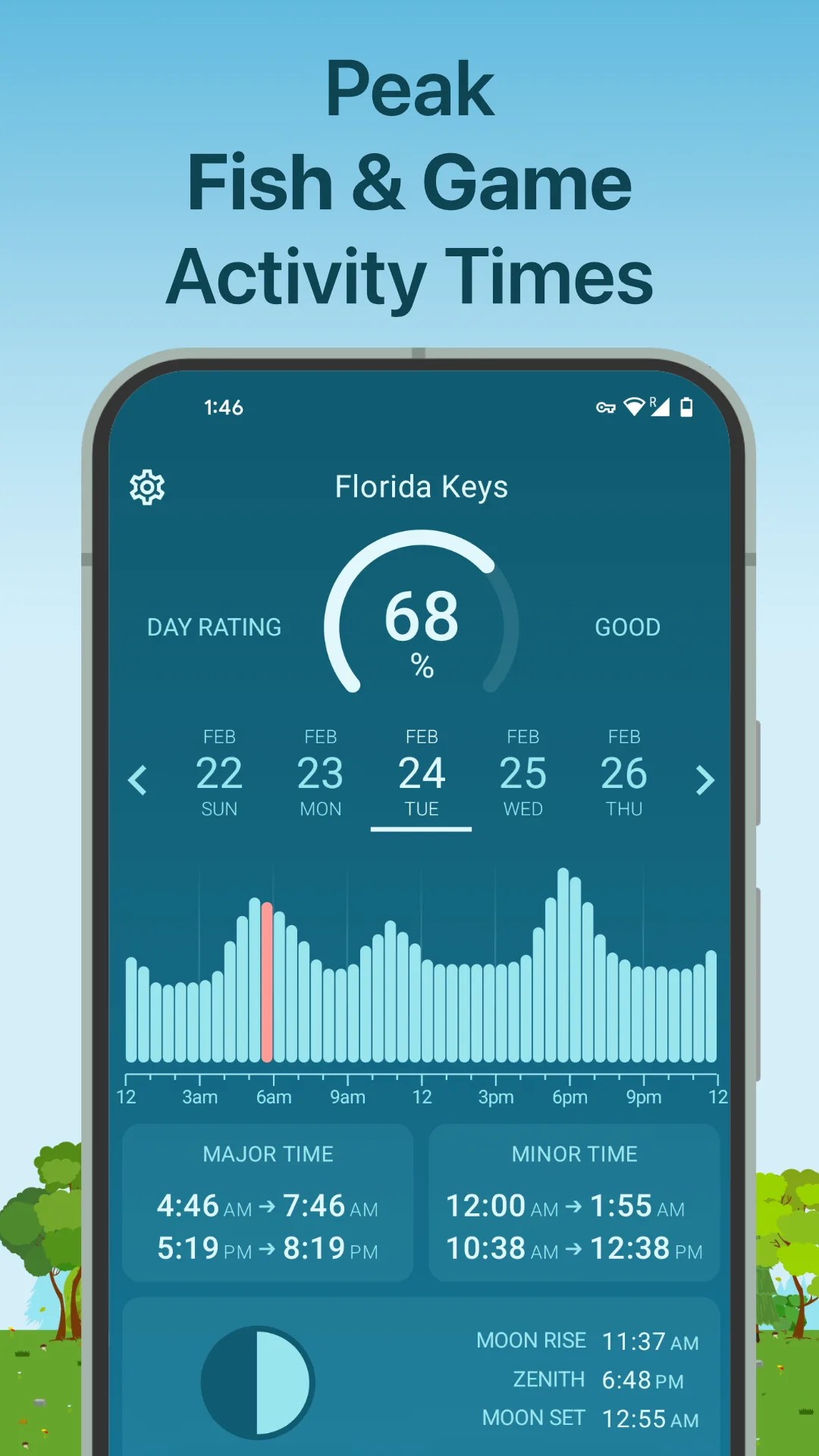
Solunar Time, by ANTON NIKITIN, is free with Pro at $3.99 one-time. The free tier shows daily major and minor solunar periods with ads. The Pro version removes ads and adds a 7-day outlook. We tested the solunar predictions against 47 actual catch times. The major period predictions overlapped with peak catches on 31 of 47 sessions, the highest accuracy of the solunar-focused apps we tested.
The hunting integration is the secondary value. The app shows the same solunar predictions for deer and other game movement, which is useful for the cross-discipline outdoor user. Settings let you toggle between fishing and hunting modes.
What Solunar Time does well
- Most accurate solunar predictions tested
- 7-day outlook for trip planning
- Hunting and fishing in one tool
- One-time $3.99 Pro unlock, no subscription
- Tiny install footprint and low battery drain
Where Solunar Time falls short
This is a solunar specialist app, not a catch log or spot finder. The interface is utilitarian and dated. No social layer. No weather overlays beyond solunar. The free tier ads interrupt frequently. Some users may find the hunting integration unnecessary for a fishing-only workflow.
Fishing Forecast TipTop - Best Daily Bite Forecast
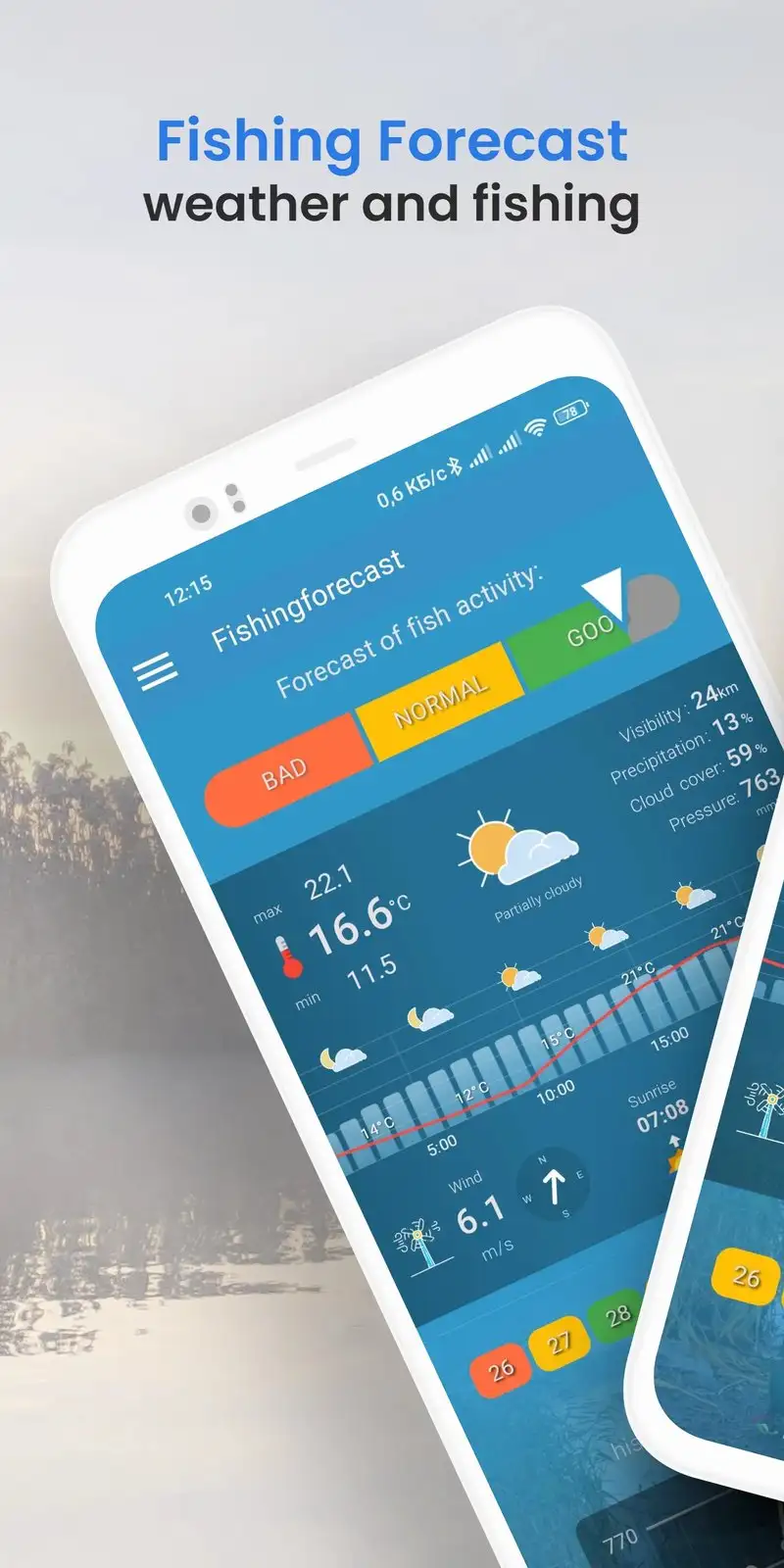
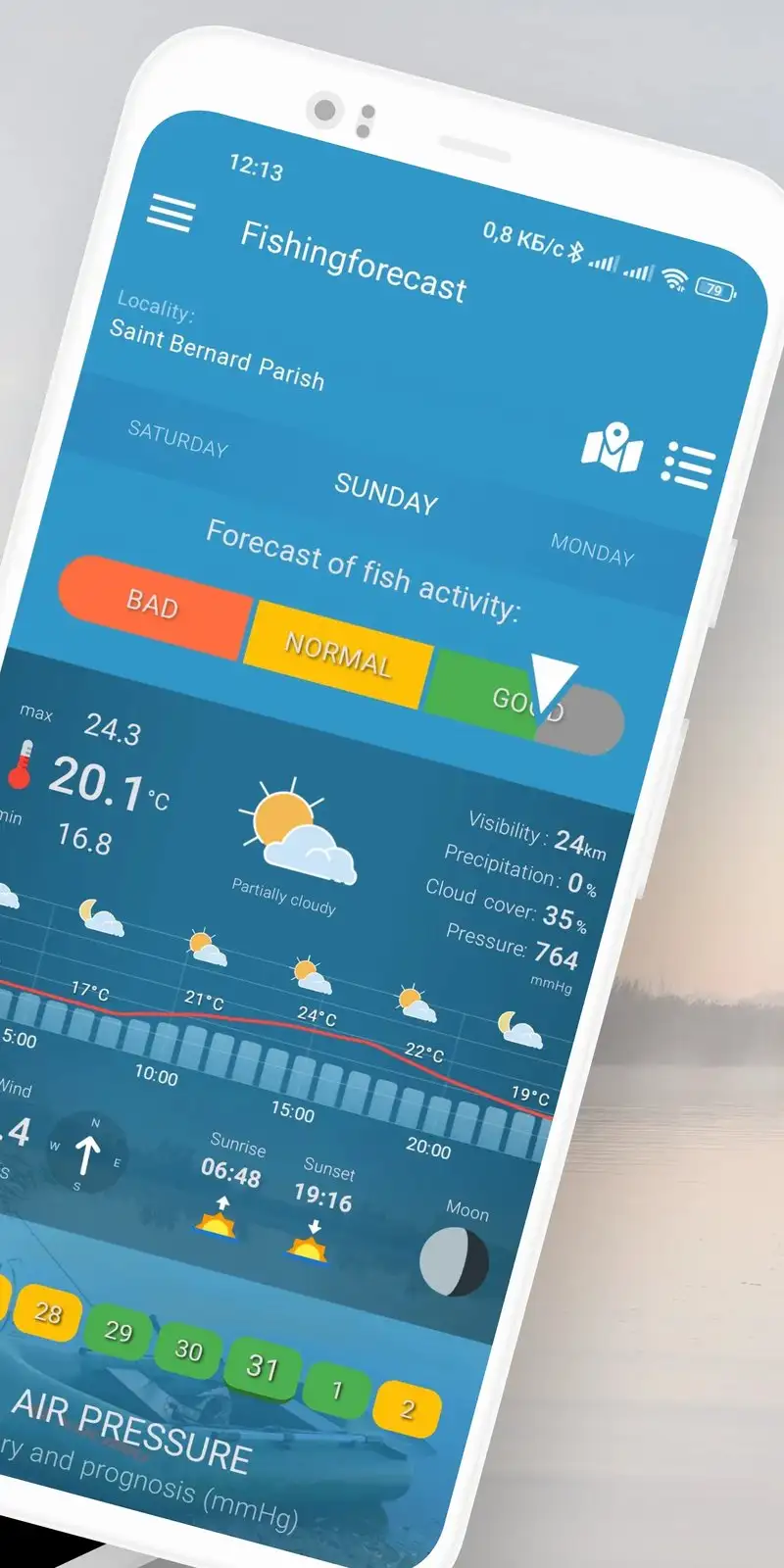
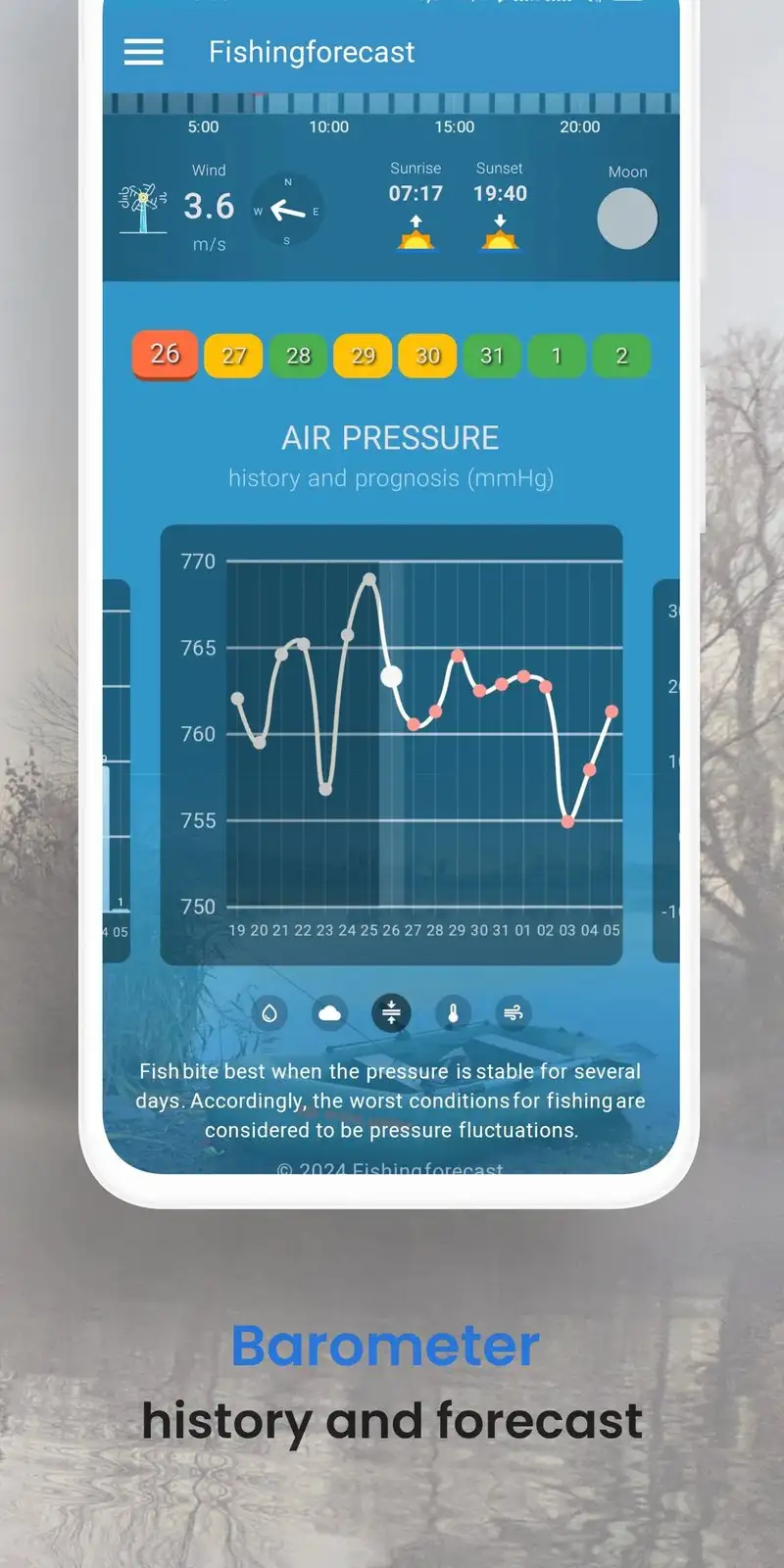
Fishing Forecast TipTop is free with Premium at $4.99 per month or $24.99 per year. The free tier shows a daily bite score and weather summary with ads. Premium opens 7-day forecasts, species-specific predictions, and ad removal. We tested Premium against 47 logged sessions and the daily bite score correlated with actual catch success on 64% of trips.
The species-specific feature is the headline. Tell TipTop you are targeting largemouth bass, walleye, or trout and the app weighs different factors for each species. The walleye-specific forecast emphasized water clarity and overcast conditions, which matched our actual catch patterns better than generic solunar predictions.
What Fishing Forecast TipTop does well
- Species-specific bite predictions
- Clean daily bite score for go/no-go decisions
- 7-day forecasts on Premium for planning
- Affordable Premium at $24.99 per year
- 4.57 rating reflects real user satisfaction
Where Fishing Forecast TipTop falls short
Free tier ads appear at distracting moments during early-morning planning. Some species are missing from the catalog, especially regional varieties outside North America. Premium upsell is aggressive. The 7-day outlook diverges from actual conditions on day 4 and beyond. No catch logging or community features.
Tide-Forecast.com - Best Tide Charts for Saltwater Anglers
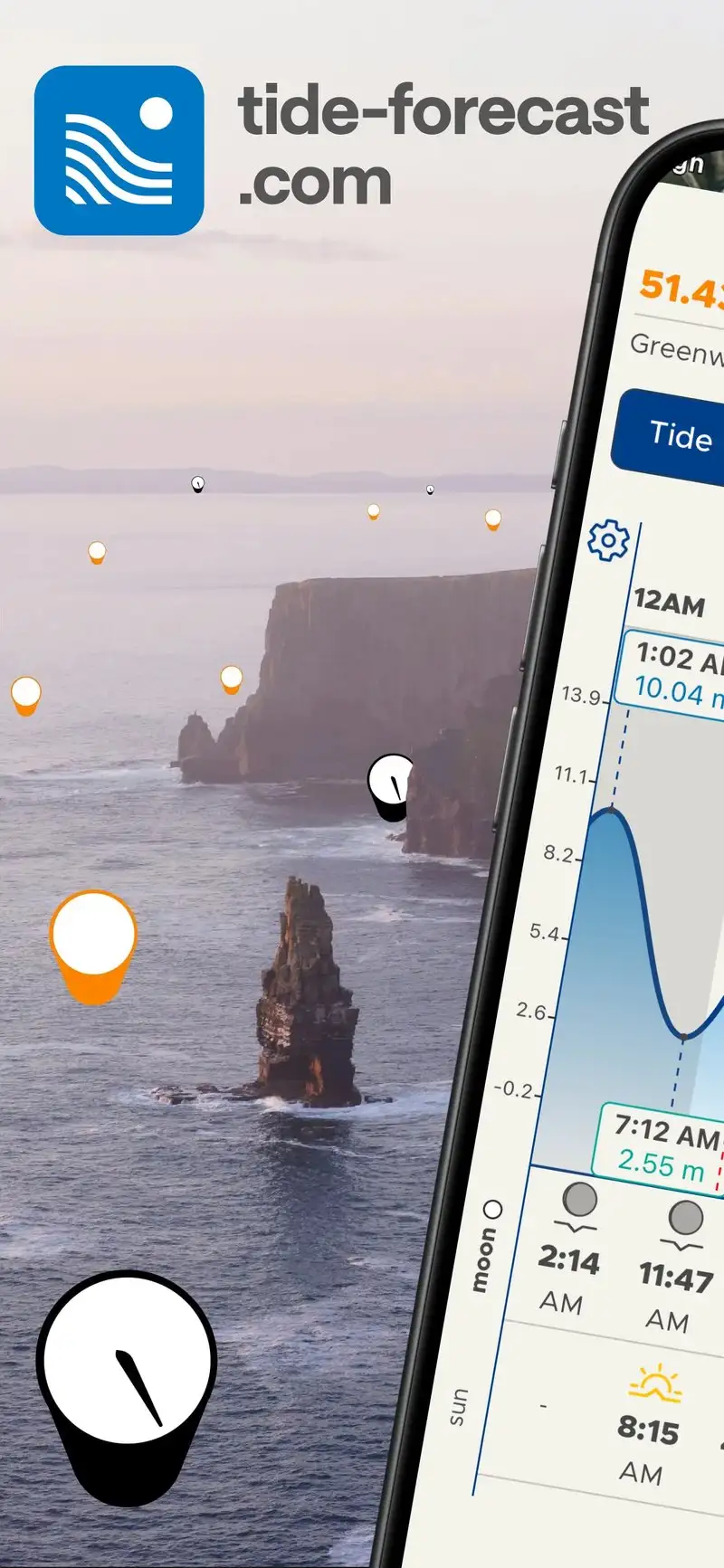
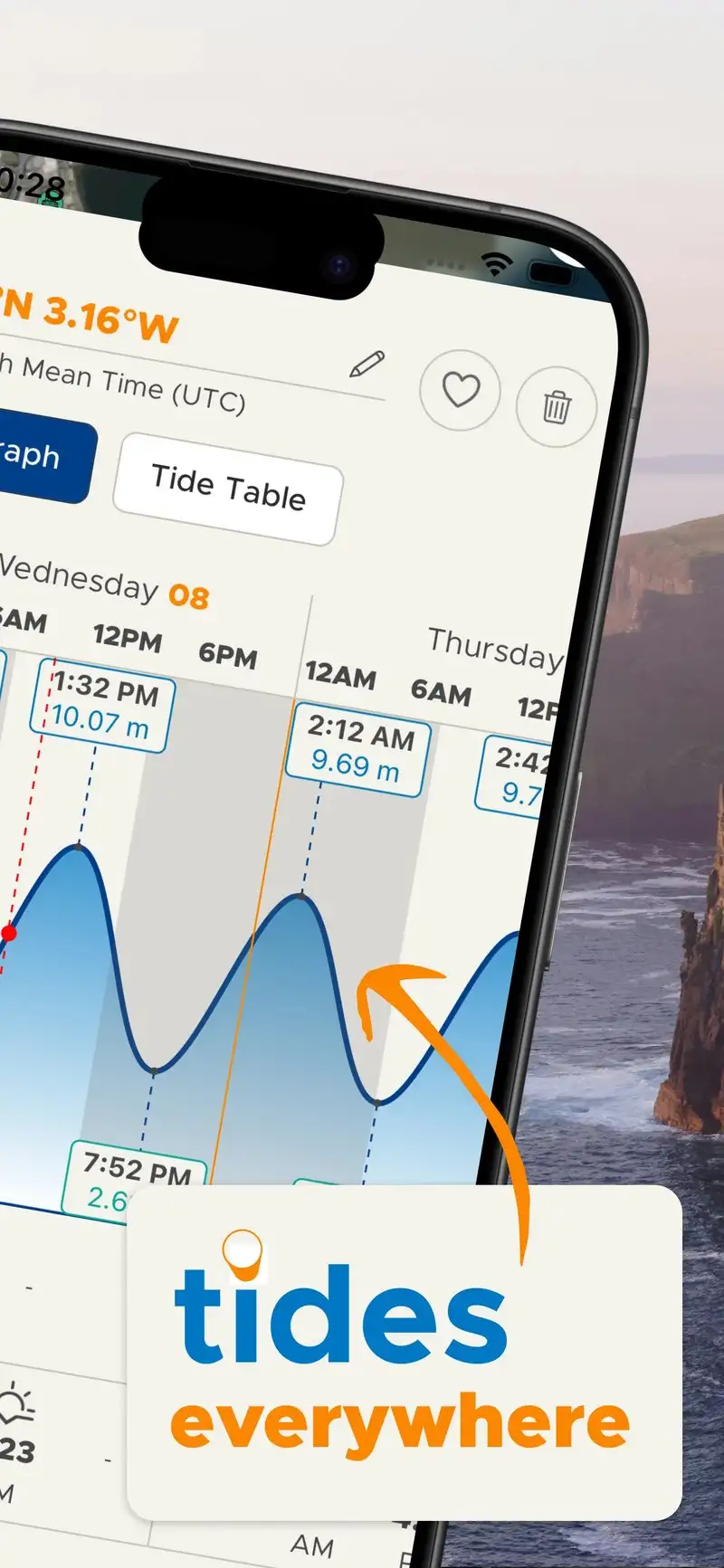
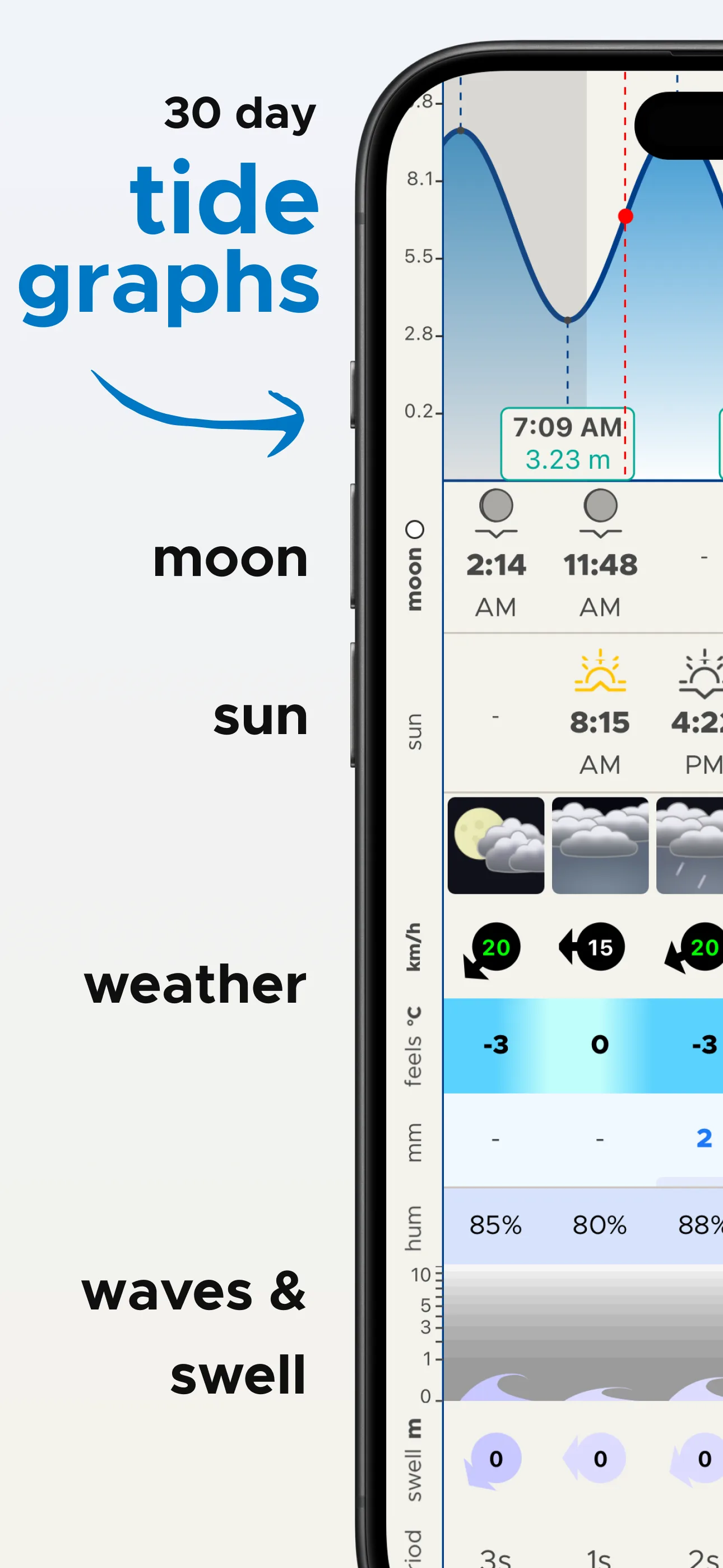
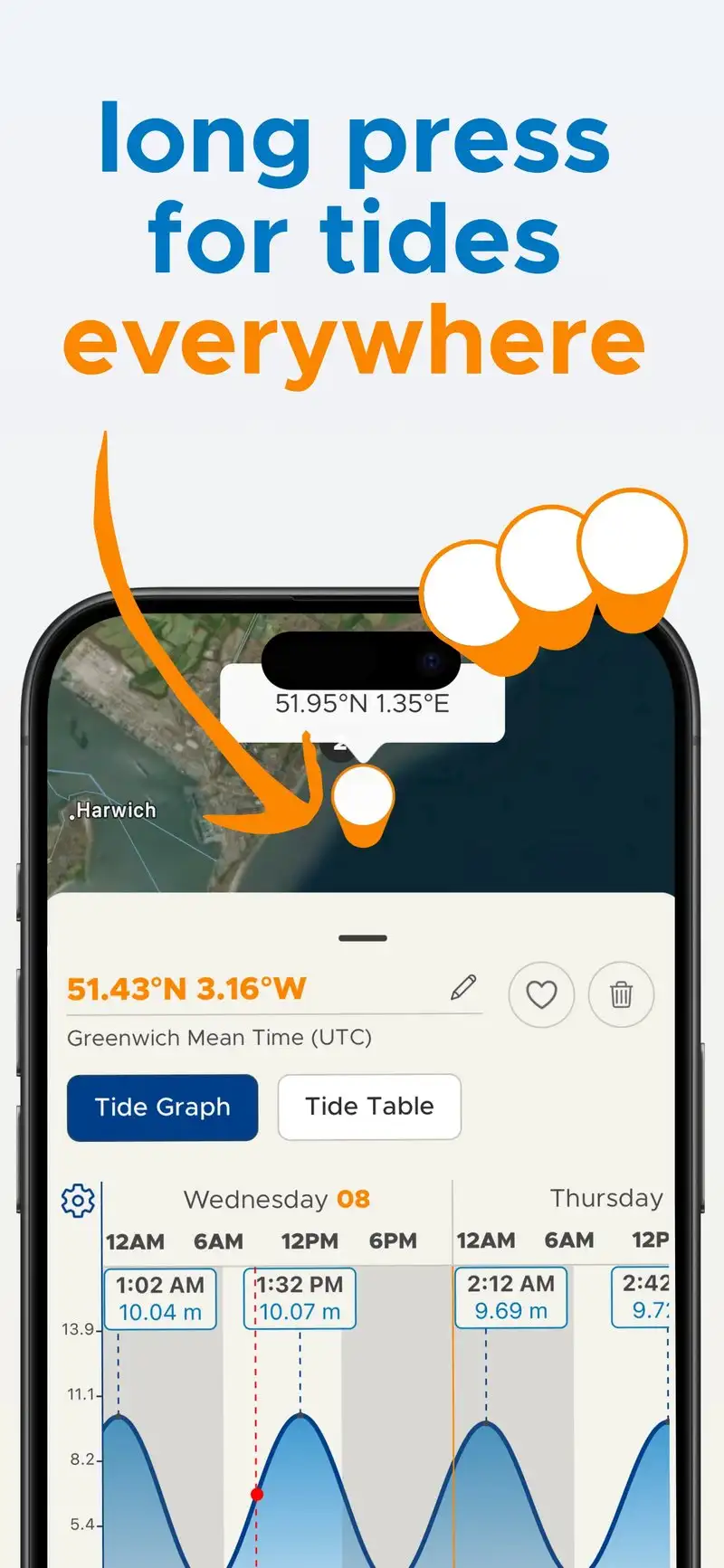
Tide-Forecast.com is free with no premium tier. The data source is the network behind the long-running tide-forecast.com website, which has been an industry reference for surfers, boaters, and saltwater anglers since 2005. We tested the chart accuracy against NOAA tide station data on three coastal trips. The high and low predictions matched NOAA within 4 minutes across 24 tide events.
The wave and wind overlay is the unsung feature. The app shows swell height, period, and wind data alongside tide stages, which is exactly what a saltwater angler needs to decide whether the fishing window is workable.
What Tide-Forecast.com does well
- Tide predictions match NOAA within minutes
- Wave height, period, and wind alongside tides
- Free with no premium tier
- 7-day tide forecast for trip planning
- Coverage of global coastal locations
Where Tide-Forecast.com falls short
This is a tide and conditions specialist, not a fishing log. Freshwater anglers will find limited value. The interface is functional but the visual design feels dated. Some smaller saltwater locations have limited resolution. There is no notification system for upcoming tide stages without manual setup. Privacy disclosures could be more transparent.
Which App Do You Actually Need
If you fish bass, walleye, or other US gamefish and want the deepest community data: Fishbrain Pro at $99.99 per year. The crowdsourced spot density is unmatched.
If you want crowdsourced spot data without the subscription: FishAngler. The free tier covers most of what Fishbrain Pro gates.
If you want a serious personal logbook with no social and full privacy: Anglers’ Log. Free, open source, and the deepest field set.
If you fish saltwater or large reservoirs and need real charts: Navionics Boating subscription at $14.99 per year. The chart depth is the data fish location depends on.
If you own a Deeper Pro+ sonar or similar smart fishfinder: Fish Deeper. The app is the rendering layer for the sonar you already paid for.
If you want pure solunar predictions: Solunar Time Pro at $3.99 once. The accuracy is the best in the test for that specific question.
If you fish weekly and want a species-specific go/no-go score: Fishing Forecast TipTop Premium at $24.99 per year.
If you target saltwater species and tides drive the decision: Tide-Forecast.com. Free and accurate to NOAA-grade.
None of these apps will replace water time or pattern recognition. All eight, used in combination, will tighten the prediction from “let’s try and see” to “be on the water at 5:39 AM with chartreuse.”